
Blooming
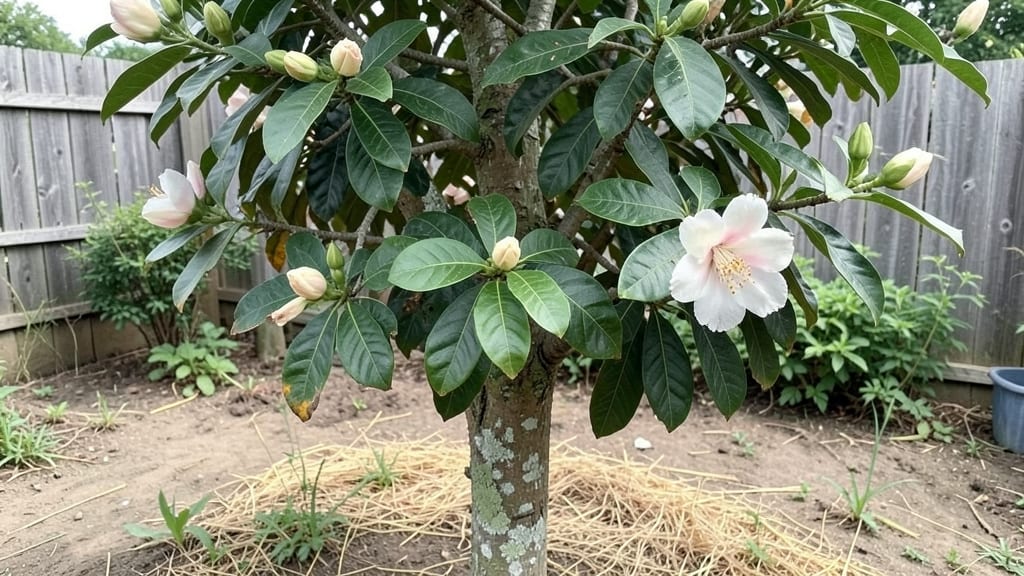
The stages of a mango tree 🥭 flowering reveal when your harvest is on the way—or when to step in and help.
Watching your mango tree bloom is a gardener’s reward—but understanding its flowering stages month-by-month can mean the difference between a bumper harvest and disappointment. Here’s what to expect, from the first buds to fruit set.
Flowering kicks off in spring, when clusters of tiny, fragrant blooms appear. These delicate panicles need just the right balance of warmth and humidity to thrive, and even the smallest misstep can send your tree into a fruitless cycle.
Below, I break down each stage—from bud formation to pollination—so you can spot the signs of a healthy bloom and troubleshoot when things go wrong. No guesswork, just a clear roadmap to more mangoes on your tree.
Mango tree flowering stages by month: a seasonal breakdown
Understanding your mango tree’s flowering stages by month helps you anticipate blooms and maximize fruit production. In tropical climates, flowering typically begins in late winter to early spring, while subtropical regions may see staggered blooms from fall to spring.
The process spans 4-6 weeks, starting with tiny buds and ending with fruit set.
Key triggers include temperature shifts (ideal 75-85°F), humidity levels (60-80%), and proper nutrient balance. Mango trees are monoecious, meaning they produce both male and female flowers on the same tree. However, cross-pollination often improves fruit set, especially in isolated trees.
Below is a monthly breakdown of flowering stages, tailored for USDA Zones 10-11 (tropical) and Zones 9-10 (subtropical). Adjust timelines based on your local climate—cooler regions may experience delayed blooms.
🌱
<summary-table>In subtropical zones (9-10), flowering may start as early as October or delay until April, depending on frost risk. For example, a Florida mango tree might bloom in February-March, while a California tree could wait until April-May due to cooler winters.
Pay attention to panicle density—healthy trees produce 50-100 flowers per panicle. If you notice sparse blooms or dropping buds, check for nutrient deficiencies (e.g., zinc or boron) or environmental stress like drought or extreme heat.
During the bloom stage, mango trees release volatile compounds to attract pollinators like bees. If your tree is isolated, consider hand-pollination using a soft brush to transfer pollen from male to female flowers. This is especially critical in urban gardens with limited bee activity.
After fruit set, thinning is crucial. Overcrowded fruits compete for nutrients, leading to small, underdeveloped mangoes. Aim to leave one fruit per 6 inches of branch length. Use sterilized pruners to avoid spreading disease during this process.
How to identify healthy vs. unproductive mango flowering
Your mango tree may look stunning with panicles of flowers, but not all blooms lead to fruit. Healthy flowering means dense panicles, vibrant colors, and active pollinators. Unproductive flowers often show sparse growth, off-color petals, or no fruit set after weeks.
I’ve learned the hard way—skipping these checks can mean wasted energy and no harvest!
Start by examining the panicle density. Healthy panicles are compact, with flowers tightly clustered. Each cluster should have 50-100 flowers per panicle. If you see long, sparse panicles with few buds, your tree may be stressed.
Also, check for color shifts—healthy flowers transition from pinkish buds to creamy white when open.
Next, assess pollen viability. Gently shake a panicle over white paper. Healthy pollen appears yellowish-orange and dusty. If it’s scant or grayish, your tree may need better nutrition or pollination help. Poor pollen often means low fruit set, even if flowers look good.
Healthy Mango Flowering
- Compact panicles with 50-100 flowers
- Creamy white petals after bud stage
- Abundant yellow-orange pollen when shaken
- Fruit set within 2-3 weeks of blooming
- Active pollinators (bees, flies, birds)
- Sparse panicles with fewer than 30 flowers
- Pinkish buds lingering past 5 days
- Grayish or scant pollen
- No fruit set after 3-4 weeks
- Wilting flowers within 24 hours of opening
If your mango tree shows red flags, don’t panic! Hand-pollination can save the day. On a dry, sunny morning, use a small brush to transfer pollen from one panicle to another.
Focus on open flowers with exposed stamens. This mimics what bees do and boosts fruit set by up to 40%.
Pruning also plays a key role. Remove overcrowded branches to improve airflow and sunlight penetration. Aim for open canopies—this helps flowers dry faster and reduces fungal risks. After pruning, feed your tree with a balanced NPK fertilizer (e.g., 10-10-10) to support new growth and flowering.
Finally, watch for nutrient deficiencies. Yellowing leaves or slow growth? Your tree might need more zinc or magnesium. A soil test reveals deficiencies early. Adjust with chelated micronutrients and monitor flowering in the next season. With these tweaks, even unproductive trees can rebound!
🌿