
Trees
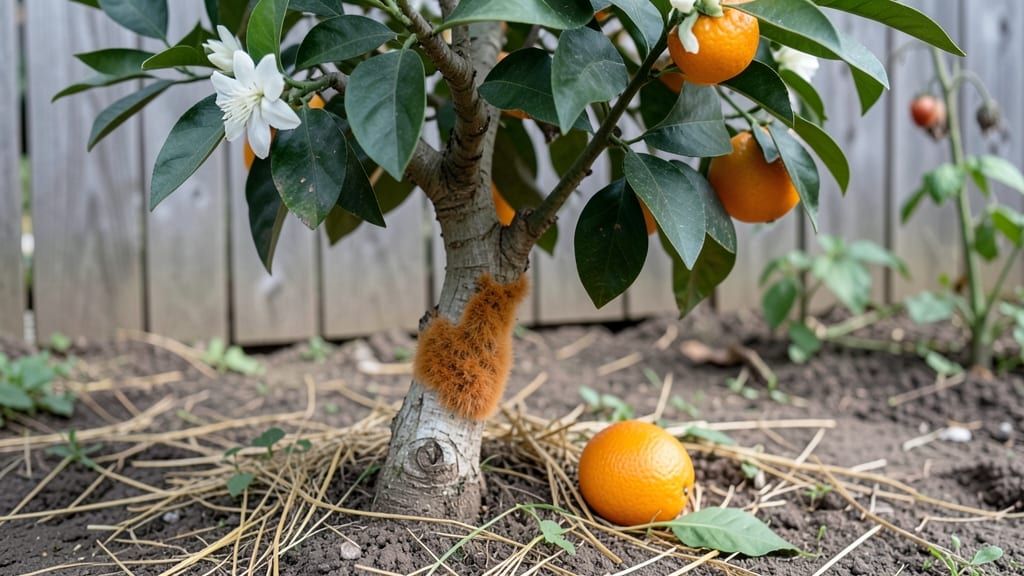
Noticing that the orange-colored tree fungus spreading across your tree’s bark? That’s no harmless lichen—it’s often a sign of serious trouble like honey mushrooms or bracket fungi that weaken wood and spread underground.
I’ve dealt with this exact problem on my old oak, and the key is acting fast before the tree’s health spirals. The good news? Most cases respond well to pruning, copper treatments, and simple tree care tweaks if you catch them early.
This fungus thrives when trees are stressed—think drought, poor soil, or old wounds—so the first step is always fixing the root cause. I learned the hard way that slapping on fungicide without improving drainage or mulching just buys you time.
Focus on removing infected wood, improving airflow around the base, and keeping the tree’s immune system strong with proper watering and fertilizer. It’s not rocket science, but it does require consistency.
By the time you’re done, your tree should look noticeably healthier, with no new orange growth and fresh green leaves pushing out. The worst cases might need a professional’s help, but for most home gardeners, this method works like a charm.
We’re talking visible improvement in 3-4 months if you stay on top of it—no more worrying about that creepy orange creep spreading.
Works for oak, maple, pine, or fruit trees—just adjust the treatment based on the fungus type. Let’s get that tree back to thriving before winter sets in.
Understanding Fungal Growth Triggers
Orange-colored tree fungus isn’t just a random color splash—it’s often a visible sign of specific environmental or biological conditions that create the perfect breeding ground for certain fungal species.
Let’s break down the most common reasons why these vibrant (and sometimes alarming) fungi appear on your trees, so you can address the root causes before they spread.
Fungi thrive in damp, humid environments, and excess moisture is the #1 catalyst for orange-colored fungal growth. Here’s why:
- Waterlogged soil: If your tree’s roots sit in soggy soil for prolonged periods (due to poor drainage, heavy clay, or overwatering), fungal spores like Armillaria (honey fungus) or Phytophthora get the moisture they need to germinate. These fungi often produce bright orange mycelium or fruiting bodies.
- Frequent rainfall or overhead watering: Trees with dense canopies trap moisture, creating a humid microclimate. If rain or sprinklers keep the bark and leaves damp for days, orange-colored Nectria or Cytospora can take hold, especially in wounds or cracks.
- Condensation buildup: In cooler climates, morning dew or frost followed by warm days can cause condensation on bark. This "sweating" effect fuels fungal growth, including the orange peel fungus (Aleurodiscus), which often appears on dead wood.
Actionable fix: Improve soil drainage with organic matter (compost or bark chips), avoid overhead watering, and prune for better airflow. If your tree is in a low spot, consider a French drain or raised bed.
Fungi are opportunistic—some species only "bloom" orange when conditions are just right. Temperature swings and seasonal changes play a huge role:
- Warm, humid summers: Fungi like Ganoderma (reishi mushroom) or Trametes (turkey tail) produce vibrant orange fruiting bodies in response to heat and moisture. These are often secondary invaders after a tree’s immune system is weakened.
- Cool, wet springs/autumns: Many orange-colored fungi (e.g., Stereum or Daedalea) fruit in these transitional seasons when decay processes slow down, but spores are still active.
- Frost damage: Freeze-thaw cycles can crack bark, creating entry points for fungi. The resulting stress often triggers orange-colored Cytospora canker in fruit and shade trees.
Actionable fix: Monitor your tree’s stress levels during seasonal shifts. Mulch properly (2–4 inches deep) to regulate soil temperature, and avoid fertilizing late in the season, which can encourage new growth vulnerable to fungal attack.
A healthy tree can resist most fungal invaders, but stress opens the door to orange-colored fungi. Common stressors include:
- Nutrient deficiencies: Trees lacking nitrogen, phosphorus, or micronutrients (like zinc or manganese) have thinner bark and weaker sap flow. This makes them prime targets for orange-colored canker fungi (e.g., Valsa species).
- Physical damage: Pruning wounds, animal bites, or storm breaks create entry points. Fungi like Heterobasidion (a root rot pathogen) can produce orange mycelial fans at the base of damaged trees.
- Pest infestations: Borers, beetles, or aphids weaken trees by disrupting nutrient flow. Their damage often precedes fungal infections, including orange-colored bracket fungi like Laetiporus (chicken-of-the-woods).
- Root competition or girdling: Overcrowded roots or roots growing against hard surfaces (like sidewalks) strangle the tree, making it susceptible to Armillaria root rot, which can produce orange honey-colored mycelium.
Actionable fix: Conduct a soil test to address deficiencies, prune correctly (with sterilized tools), and treat pest issues promptly. If a tree is beyond saving, remove it to prevent fungal spread to nearby plants.
Orange-colored fungi often colonize dead or dying wood because they’re saprotrophs—meaning they feed on decaying organic matter. Here’s how it happens:
- Dead branches or stumps: Fungi like orange birch polypore (Fomitopsis rosea) or orange crust fungi (Stereum) thrive on cellulose-rich wood. If you leave deadwood on your property, these fungi will fruit and spread spores.
- Mulch piles or leaf litter: Thick layers of organic mulch can trap moisture and heat, creating ideal conditions for orange-colored mycorrhizal fungi (which may benefit the tree) or pathogenic species like Phytophthora.
- Buried roots or buried trees: If a tree is partially buried or roots are covered by soil, anaerobic conditions develop, encouraging fungi like orange-colored Heterobasidion
Actionable fix: Remove deadwood promptly, keep mulch 6 inches away from the trunk, and avoid burying trees or large roots. If you’re dealing with a stump, consider grinding it down to reduce fungal habitat.
💡 Pro Tip: Not all orange fungi are harmful! Some, like Laetiporus or Ganoderma, are edible or indicate the tree is breaking down naturally. However, if the fungus is spreading rapidly or the tree shows wilting, dieback, or oozing sap, it’s time to investigate further.
How to solve it
Discovering an orange-colored fungus on your tree can be alarming, but with the right approach, you can restore your tree’s health and prevent future outbreaks.
Below are targeted solutions based on the most common causes—from fungal infections to environmental stressors—along with actionable steps to fix the issue and keep your tree thriving.
If the orange growth is a fungal infection (like Nectria canker or coral spot), act quickly to stop its spread.
- 🔪 Remove infected branches: Use sterilized pruning shears to cut off affected limbs at least 6 inches below the visible fungus. Dispose of the clippings in a sealed bag—do not compost them.
- 🧴 Apply fungicide: Spray a copper-based fungicide or a baking soda solution (1 tbsp baking soda + 1 quart water + a few drops of dish soap) on the wounds and surrounding area. Reapply every 2–4 weeks during wet seasons.
- 🌡️ Improve air circulation: Thin out dense foliage to reduce humidity around the tree, making it harder for spores to thrive.
If the orange hue is due to stress-related sap oozing or lichen/moss buildup, focus on correcting the underlying issues.
- 💧 Water wisely: Overwatering or drought stress can weaken trees. Water deeply 1–2 times per week (depending on climate) and ensure proper drainage by amending soil with compost.
- ☀️ Provide shade relief: If the tree is in a hot, sunny spot, mulch the base with 2–4 inches of organic mulch (like wood chips) to retain moisture and regulate temperature.
- 🌱 Fertilize appropriately: Test soil pH and nutrient levels. Over-fertilizing can burn roots—opt for a slow-release, balanced fertilizer in early spring.
If pests (like scale insects or borers) are contributing to the orange discoloration, tackle them systematically.
- 🐜 Identify the pest: Check for signs like sawdust-like frass (borer droppings) or sticky residue (scale honeydew). Use a magnifying glass for close inspection.
- 💦 Blast off pests: Spray the tree with a hose (100 PSI) to dislodge soft-bodied insects like aphids or scale. For borers, inject beneficial nematodes into the soil.
- 🍄 Use natural predators: Introduce ladybugs or parasitic wasps to control pests organically. Release them in the early morning or evening when temperatures are mild.
Once your tree is back on track, take these steps to prevent future orange-colored growth:
| Action | How to Do It |
|---|---|
| 🌿 Regular inspections | Check your tree monthly for early signs of fungus, pests, or stress. Catch issues before they spread! |
| 🧹 Clean up debris | Remove fallen leaves, branches, and mulch from the tree’s base to eliminate fungal spores and pest habitats. |
| 🌧️ Monitor moisture | Use a moisture meter to ensure the root zone stays consistently damp but not soggy. |
| 🛡️ Protect young trees | Wrap the trunk with tree guard to prevent sunscald and pest entry points. |
With consistent care, your tree will bounce back—and stay fungus-free for years to come! 🌳💚
Frequently asked questions about tree fungal growth
Is orange tree fungus always harmful?
Not all orange-colored tree growth is dangerous! Some fungi, like Laetiporus (chicken-of-the-woods) or Ganoderma (reishi), are actually edible or harmless decomposers breaking down dead wood. The concern comes when you see rapid spread, oozing sap, or wilting leaves—signs of pathogenic species like Nectria canker or Armillaria root rot.
How do I tell if my tree has a serious fungal infection?
Watch for these red flags: orange mycelium spreading underground, cracked bark oozing sap, sudden leaf drop, or mushrooms growing at the tree's base. If you see more than 30% of the canopy affected or the fungus appears in multiple seasons, it's likely a serious infection requiring professional help.
Can I use vinegar to kill orange tree fungus?
Vinegar can help as a natural fungicide, but it's not a standalone solution. Mix 1 part white vinegar with 3 parts water and spray directly on infected areas. For best results, combine with copper fungicide and prune affected branches. Vinegar's acidity works best on surface fungi but won't penetrate deep root infections.
Will removing the orange fungus completely cure my tree?
Removing visible fungus is just the first step—you must address the root cause. If the tree is stressed from poor soil, overwatering, or pest damage, new fungus will return. Focus on improving drainage, sterilizing pruning tools, and boosting tree health with proper fertilization. Without these steps, treatment fails within 6-12 months.
How long does it take to see improvement after treatment?
With proper care, you should see noticeable improvement in 3-4 months. New growth should appear within 6-8 weeks if you've removed infected wood and corrected environmental issues. For severe cases (like Armillaria root rot), recovery may take 1-2 years or require tree removal if the roots are compromised.