
Trees
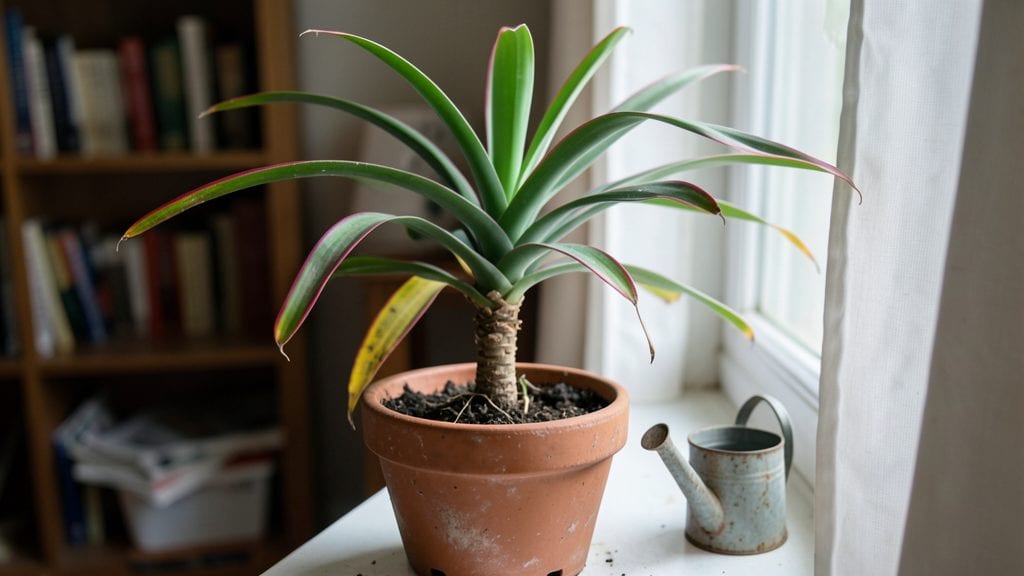
An overwatered dragon tree with drooping leaves and yellowing tips is screaming for help—this is how to bring it back. Overwatered dragon trees lose their lush, arching shape fast, but with the right adjustments, you’ll see new growth in just a few weeks.
The key lies in cutting back on water, improving drainage, and giving those roots room to breathe again.
Most people water dragon trees too often, thinking they need constant moisture like tropical plants. But Dracaena marginata thrives on dry spells—let the top 2-3 inches of soil dry out completely between waterings.
If your pot lacks drainage holes, that’s your first fix: repot into a container with holes or add a layer of gravel at the bottom to prevent soggy roots.
Start by trimming any mushy, blackened stems at the base with clean scissors. Then, adjust your watering routine: once a week in summer and every 10-14 days in winter is a safe starting point.
Within a month, you’ll notice crisp new leaves emerging from the top, and those yellow tips will fade away for good.
Prevent future overwatering by testing soil moisture with your finger—if it’s still damp after a week, hold off. A well-draining potting mix with perlite or orchid bark also helps. With these simple tweaks, your dragon tree will bounce back faster than you think.
Root Issues Behind Water Woes
When your Dracaena marginata—the elegant, arching dragon tree—starts looking more like a soggy noodle than a striking houseplant, overwatering is usually the culprit. But why does this happen?
The answer lies in a mix of human habits, plant biology, and environmental factors. Let’s break down the real reasons your dragon tree is drowning in its own pot.
Dragon trees are succulent-like in their water needs, meaning they store moisture in their thick stems and roots. Yet, many plant parents fall into the trap of watering on a schedule rather than assessing the plant’s actual needs. Here’s the science:
- Misjudging soil dryness: Sticking your finger 1-2 inches into the soil is key—if it’s damp, hold off. Overwatering triggers anaerobic conditions (lack of oxygen in roots), which suffocates roots and invites Pythium or Phytophthora fungi.
- Ignoring seasonal changes: Winter slows metabolism in dragon trees by up to 70%. Watering as heavily in December as you do in July forces roots to rot in cold, slow-draining soil.
- Using the "topsoil test" wrong: Some assume if the top layer is dry, it’s time to water. But dragon trees thrive in well-draining mixes—water should pass through the pot within 30-60 minutes. If it pools, you’re overdoing it.
Pro tip: 💡 Use a moisture meter for accuracy, or opt for terracotta pots, which dry out faster than plastic.
A dragon tree’s roots need oxygen to function. When drainage fails, excess water lingers, creating a breeding ground for rot. Common offenders:
- No drainage holes: Pots without holes act like bathtubs, trapping water at the root zone. Even "self-watering" pots can drown dragon trees if not monitored.
- Compacted or clay-heavy soil: Standard potting mixes retain too much moisture. Dragon trees prefer 60% mineral (perlite/pumice), 30% peat/coco coir, and 10% worm castings for aeration.
- Overpotting: A pot too large holds excess water for weeks. Roots can’t absorb it all before fungal growth takes over. Rule of thumb: Upgrade pot size by only 1-2 inches every 2 years.
Fix it: ✨ If repotting, add a 1-inch layer of gravel at the bottom for a "false floor" that improves airflow.
Dragon trees are tropical but hate humidity extremes. When humidity spikes (e.g., bathrooms, kitchens) or temperatures drop, their roots struggle to regulate moisture:
- High humidity + poor airflow: Moisture lingers in leaves and soil, creating a microclimate that encourages root rot. Aim for 40-60% humidity and circulate air with a small fan.
- Cold drafts near roots: Chilly windowsills or AC vents slow root activity. Cold roots absorb water inefficiently, leaving them waterlogged. Keep temps between 65-85°F.
- Sudden climate shifts: Moving a dragon tree from a sunny patio to a dim indoor spot confuses its water needs. Less light = slower evaporation = soggy soil.
Adjust: 🌡️ Group plants together to boost airflow, or use a dehumidifier in humid rooms.
Not all watering methods or containers suit dragon trees. Here’s what backfires:
- Tap water with high salts/minerals: Over time, minerals build up in soil, disrupting drainage. Use filtered or distilled water if your tap water is hard.
- Glazed or plastic pots without breathability: These trap moisture against roots. Unglazed terracotta or fabric pots allow roots to "breathe."
- Overusing fertilizers: Fertilizers add salts that bind water to soil particles, making it harder for roots to dry out. Dilute fertilizers to half-strength in spring/summer only.
Swap in: 🔥 A spray bottle for occasional misting (instead of deep watering) in dry climates.
Revive Your Dracaena Marginata Now
An overwatered dragon tree (Dracaena marginata) can feel like a lost cause, but with the right steps, you can nurse it back to health—even if the roots are soggy and the leaves are drooping. The key is acting fast, diagnosing the damage, and giving your plant the care it desperately needs. Below, we break down the solutions based on the most common causes of overwatering, so you can target the problem like a pro.
If your dragon tree’s leaves are turning yellow or brown at the tips, it’s likely suffering from root rot—a classic sign of overwatering. Here’s how to reset its hydration:
🔥 Step 1: Stop Watering Immediately
- Why? Wet soil without drainage suffocates roots, leading to rot. Let the soil dry out completely before doing anything else.
- How? Pause watering for at least 5–7 days (longer if the soil feels extremely damp).
🍳 Step 2: Check the Soil Moisture
- Dig your finger 1–2 inches into the soil—if it’s still damp, wait another day.
- Pro Tip: 💡 Use a moisture meter for accuracy, especially if you’re unsure. Dragon trees prefer soil that’s dry to the touch between waterings.
👨🍳 Step 3: Adjust Your Watering Schedule
- Water only when the top 2–3 inches of soil are bone-dry (usually every 2–3 weeks in warm climates, less in winter).
- Use the "soak-and-drain" method: Water thoroughly until it runs out the drainage holes, then empty the saucer to prevent soggy roots.
If your dragon tree’s stems feel mushy or the plant is leaning weakly, root rot may have spread. Time for a rescue operation!
🔪 Step 1: Remove the Plant Gently
- Tip: 🌡️ Work quickly to minimize stress. Gently slide the plant from its pot, shaking off excess soil to inspect the roots.
🔍 Step 2: Trim the Damaged Roots
- Healthy roots are firm and white; rotten roots are black, mushy, or smell foul.
- Use sterilized scissors or pruners to cut away the bad sections, leaving only clean roots.
🌿 Step 3: Repot in Fresh, Well-Draining Soil
- Choose a pot with drainage holes (terracotta is ideal).
- Mix in perlite or orchid bark (20–30%) to improve aeration.
- Let the roots air-dry for 1–2 hours before replanting to prevent further rot.
If your dragon tree’s soil smells like mildew or has a white, fuzzy mold, fungal growth is likely the culprit. Here’s how to clean it up:
✨ Step 1: Sterilize the Pot
- Wash the pot with a 10% hydrogen peroxide solution (1 part peroxide to 9 parts water) or soapy water.
- Rinse thoroughly and let it dry completely in the sun.
🧼 Step 2: Treat the Soil
- Sprinkle cinnamon or fungicide powder (like Mycorrhizal fungi) over the soil to prevent mold.
- Avoid wetting the leaves when watering to reduce fungal spores.
🎯 Step 3: Improve Airflow
- Move your dragon tree to a brighter spot (but avoid direct sun, which can scorch).
- Space plants apart to allow air circulation.
Once your plant is back on track, follow these long-term fixes to avoid overwatering again:
- 💡 Use the "finger test" before watering—stick your finger in the soil to check moisture.
- ⏰ Water in the morning so excess moisture can evaporate during the day.
- 🥗 Choose the right pot—terracotta or ceramic with drainage holes is best.
- 🌡️ Adjust for seasons: Water less in winter (growth slows) and more in summer (if humidity is low).
- 🍎 Fertilize lightly: Use a balanced, diluted fertilizer (half-strength) every 2–3 months in spring/summer.
With these steps, your dragon tree should bounce back in 4–6 weeks, showing new growth and vibrant leaves. The key is patience and consistency—don’t rush the recovery, and soon, your Dracaena marginata will be thriving again! 🌿✨
Frequently asked questions
How do I tell if my dragon tree is overwatered vs. underwatered?
Check the soil and leaves: Overwatered dragon trees have yellowing leaves, mushy stems, and soil that stays damp for days. Underwatered ones show brown, crispy leaf tips and soil that pulls away from the pot edges. Stick your finger 1-2 inches deep—if it's still moist, you're overwatering. If dry, it's thirsty!
Can I save a dragon tree with black, mushy roots?
Yes, but act fast! Remove the plant, trim away all black/mushy roots with clean scissors, then repot in fresh, well-draining mix (60% mineral, 30% peat, 10% perlite). Let the roots air-dry for 1-2 hours before replanting. Skip watering for 5-7 days to prevent further rot. Pro tip: Add a 1-inch gravel layer at the pot's bottom for better airflow.
Why does my dragon tree keep getting root rot even after fixing drainage?
Common culprits: Tap water minerals (use filtered water), plastic pots without breathability (switch to terracotta), or over-fertilizing (salt buildup binds water). Also check humidity—high levels (like bathrooms) trap moisture. Aim for 40-60% humidity and group plants to improve airflow. If rot persists, sterilize the pot with hydrogen peroxide before repotting.
How often should I water my dragon tree in winter?
Cut back dramatically! Dragon trees grow 70% slower in winter. Water only when the top 3-4 inches of soil are completely dry—usually every 3-4 weeks. Cold drafts slow roots further, so keep temps above 65°F. Place near a bright window (but not direct sun) to help evaporation balance moisture needs.