
Trees
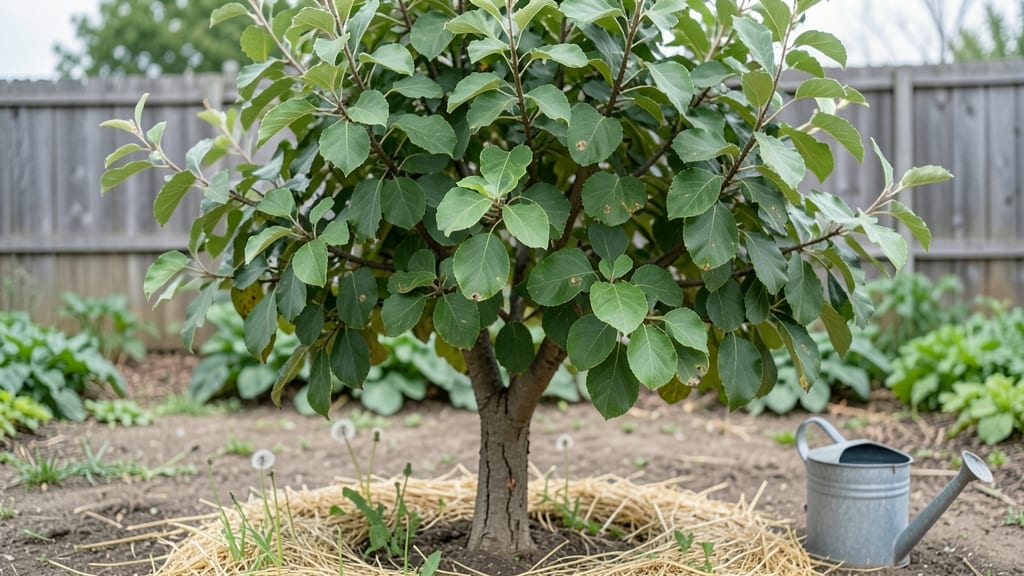
That overwatered pear tree of mine drooped like soggy laundry after one downpour—my well-meaning watering had just drowned its roots. Overwatered pear trees don’t just wilt; they suffocate, turning vibrant green into a sad, yellowing mess that no amount of pruning can hide.
The worst part? Root rot sets in silently, stealing nutrients while the tree clings to life with droopy, desperate limbs.
Here’s the kicker: fixing it isn’t about dramatic fixes—it’s about three simple adjustments that work even if you’ve already waited too long. First, you’ll check the soil moisture like a detective, then tweak your watering schedule to match what pear trees actually need (hint: it’s less than you think).
The real game-changer? Improving drainage so future rains don’t turn your tree’s roots into a soggy science experiment.
By the time you’re done, those branches will perk up faster than you expect—sometimes within just a few days—and the leaves will snap back to that rich, pear-tree green.
You’ll spot new growth in weeks, not months, and the tree will start putting energy back into fruit instead of struggling to breathe. The best part? Once you nail these steps, you’ll never overwater again without even thinking about it.
Works for young saplings or mature trees, in containers or in-ground—no fancy tools or green-thumb secrets required. Let’s turn that sad, soggy mess into a thriving centerpiece before next season’s harvest.
Why it happens
When your pear tree’s leaves start wilting or turning yellow despite your best efforts, the problem often lies beneath the surface—literally. Overwatering disrupts the delicate balance of moisture, oxygen, and nutrients in the root zone, suffocating roots and triggering a cascade of stress responses.
Understanding the why behind this imbalance is the first step to saving your tree. Let’s break down the key culprits:
Pear trees thrive in well-draining soil, but heavy clay, compacted earth, or improperly amended ground can trap excess water around roots. When water doesn’t drain away within 24–48 hours, roots drown—a condition called anaerobic stress. Without oxygen, roots can’t absorb nutrients or expel toxins, leading to:
- Root rot: Fungal pathogens like Phytophthora or Pythium exploit waterlogged conditions, decomposing roots and cutting off water/nutrient flow.
- Nutrient lockout: Excess water dilutes soil chemistry, preventing roots from accessing essential minerals (e.g., nitrogen, potassium).
- Toxic buildup: Overwatering leaches nutrients but also traps harmful salts or aluminum in the root zone, further stressing the tree.
Actionable clue: If water pools on the soil surface or the top 2–3 inches stay soggy for days, drainage is the issue. Test your soil’s texture—clay feels sticky when wet and hard when dry.
Even with good drainage, frequency and volume matter. Pear trees (especially young ones) need deep, infrequent watering to encourage deep root growth. Common mistakes include:
- Light, daily watering: Shallow irrigation keeps roots near the surface, where they’re prone to drying out quickly—then you water again, repeating the cycle. This prevents roots from developing resilience.
- Ignoring seasonal needs: Trees need 1–1.5 inches of water per week in summer (more in heatwaves) but far less in winter. Overwatering in cooler months wastes resources and promotes rot.
- Automatic systems on autopilot: Sprinklers or drip lines left running too long can deliver double the needed water, especially in rainy periods.
Pro tip: Use a rain gauge or tuna can buried near the tree to track actual water input. If it’s raining, skip irrigation entirely!
Mulch is a double-edged sword—it retains moisture and improves drainage when used correctly. Problems arise when:
- Mulch is piled too high: A 3–4 inch layer is ideal; anything thicker suffocates roots and traps moisture, creating a mulch volcano.
- Impermeable materials are used: Plastic sheeting, thick cardboard, or compacted grass clippings block water and air flow, worsening drainage.
- Mulch touches the trunk: This creates a moist, dark environment where fungi thrive. Keep mulch 6+ inches away from the trunk.
Science note: Organic mulch (wood chips, straw) breaks down over time, improving soil structure, while inorganic mulch (gravel, rubber) does not.
Not all overwatering is self-inflicted. Environmental conditions can amplify the problem:
| Factor | Effect on Roots | Solution |
|---|---|---|
| 🌧️ Heavy or frequent rain | Saturates soil faster than roots can absorb, leading to temporary flooding. | Install a swale (shallow trench) around the tree to divert excess water. |
| 🏗️ Compacted soil from foot traffic | Reduces oxygen flow to roots, making them more susceptible to rot. | Aerate the soil with a garden fork or top-dress with compost. |
| 🌡️ High humidity | Slows evaporation, keeping soil damp longer and promoting fungal growth. | Prune for airflow and avoid watering at dusk. |
Key takeaway: Adjust your watering schedule based on weather forecasts, not just your routine. Use a soil moisture meter to guide decisions—water only when the top 2 inches are dry.
Revive Your Pear Tree Now
Overwatering can turn your thriving pear tree into a sad, drooping mess—but the good news is, it’s often reversible with the right care. Below, we’ll tackle the most common causes of an overwatered pear tree and provide practical, step-by-step fixes to get your tree back on track.
Plus, we’ll share prevention tips to keep your tree healthy long-term.
If your pear tree’s roots are waterlogged, they’ll suffocate, leading to yellowing leaves, wilting branches, and even death. Act fast with these steps:
🔥 Step 1: Stop Watering Immediately
- Cut off all water for at least 3–5 days to allow the soil to dry out.
- If the ground is soggy or smells like rot, delay watering even longer.
- Pro Tip: 💡 Use a moisture meter (or stick your finger 2–3 inches deep) to check soil moisture before watering again.
👨🍳 Step 2: Improve Drainage
- Loosen compacted soil around the base with a garden fork (but avoid damaging roots).
- Add organic matter like compost or well-rotted manure to help aerate the soil.
- If your tree is in a container, ensure it has drainage holes and repot if needed.
🌡️ Step 3: Revive with Fungicide (If Needed)
- If you spot mushrooms, blackened roots, or a foul odor, root rot may have set in.
- Apply a fungicide (like copper-based or mycorrhizal treatments) to prevent further spread.
- Prevention Tip: ✨ Mulch properly—keep mulch 3–4 inches away from the trunk to avoid moisture buildup.
Too much water leaches essential nutrients (like nitrogen, potassium, and magnesium) from the soil, leaving your pear tree weak and stunted.
🥗 Step 1: Test Your Soil
- Grab a soil test kit (available at garden centers) to check pH and nutrient levels.
- Ideal pH for pear trees: 6.0–7.5. Adjust with lime (to raise pH) or sulfur (to lower pH) if needed.
💪 Step 2: Fertilize Smartly
- Use a balanced, slow-release fertilizer (like 10-10-10) in early spring before new growth starts.
- For a quick boost, apply Epsom salt (magnesium sulfate) if leaves are yellowing between veins.
- Avoid high-nitrogen fertilizers—they can worsen root rot in waterlogged soil.
🎯 Step 3: Feed the Microbes
- Beneficial fungi and bacteria help break down nutrients. Add compost tea or mycorrhizal inoculant to the soil.
- Pro Tip: 🔥 Worm castings are a natural, nutrient-rich soil amendment that improves drainage and fertility.
If your pear tree’s leaves are yellow, curled, or falling off, it’s likely suffering from overwatering stress. Here’s how to bring it back:
🔪 Step 1: Prune Damaged Growth
- Remove dead, mushy, or yellowing leaves to reduce stress on the tree.
- Trim weak or overcrowded branches to improve airflow and sunlight penetration.
- Sterilize pruners with rubbing alcohol to prevent disease spread.
🌿 Step 2: Adjust Your Watering Schedule
- Water deeply but infrequently—pear trees prefer 1–2 inches of water per week (including rain).
- Water at the base (not overhead) to prevent fungal diseases.
- Prevention Tip: 🌡️ Water in the morning so leaves dry quickly, reducing rot risk.
🍎 Step 3: Support with Mulch & Stakes
- Mulch around the base (but not touching the trunk) to retain moisture without suffocating roots.
- If branches are too weak to support fruit, stake them gently with soft ties to prevent breakage.
If your pear tree is severely overwatered (roots blackened, trunk soft, or no leaves), it may need drastic measures:
- Dig up and inspect roots – Trim away rotted sections with sterilized pruners.
- Repot or transplant – If in a container, move to a larger pot with fresh, well-draining soil.
- Apply hydrogen peroxide (3%) – Mix 1 part peroxide to 10 parts water and water the tree to kill harmful microbes without harming the tree.
- Monitor closely – Keep the tree in bright, indirect light and avoid watering for at least a week.
Once your pear tree is back on track, keep it healthy with these easy habits:
- Check soil moisture before watering—stick your finger in or use a moisture meter.
- Improve drainage by amending clay soil with sand or perlite.
- Avoid over-mulching—keep mulch 2–3 inches deep and away from the trunk.
- Water at the right time—early morning is best for evaporation and root absorption.
- Prune regularly to remove dead wood and improve airflow.
With these targeted solutions, your pear tree should bounce back in weeks—and with the right care, it’ll thrive for years to come! 🌳💚
Frequently asked questions
How do I tell if my pear tree is overwatered vs. underwatered?
Check the leaves and soil: overwatered trees have yellowing leaves (especially lower ones), soggy soil that smells musty, and drooping branches that feel soft or mushy. Underwatered trees have crispy brown edges on leaves, dry soil that pulls away from the pot, and branches that feel stiff. Stick your finger 2-3 inches deep—if it's damp, you're overwatering.
Can I save my pear tree if root rot has already set in?
Yes, but act fast! Trim away blackened, mushy roots with sterilized pruners, then repot in fresh, well-draining soil. Apply a copper-based fungicide or hydrogen peroxide (3% diluted) to kill pathogens. After treatment, water only when the top 2 inches of soil are dry—this gives roots time to recover. Recovery takes 4-6 weeks with proper care.
What’s the best way to adjust my watering schedule for pear trees?
Pear trees need deep, infrequent watering—aim for 1-1.5 inches per week (including rain). Water in the early morning so leaves dry quickly, and focus on the base of the tree (not the foliage). Use a moisture meter or the "finger test": water only when the top 2 inches of soil are dry. In winter, reduce watering by 50% since trees need less.
Will overwatering kill my pear tree permanently?
Not necessarily! While severe root rot can be fatal, most pear trees recover with immediate action. The key is catching it early—stop watering, improve drainage, and prune damaged roots. Trees with healthy trunk tissue (not soft or hollow) have a 70-80% chance of recovery. If the trunk is mushy or the tree leans heavily, it may not survive, but act quickly to give it a fighting chance.
How do I fix compacted soil around my pear tree’s roots?
Loosen compacted soil gently with a garden fork (insert it 6-8 inches deep around the drip line). Mix in compost or aged manure to improve aeration, and avoid walking near the tree. For heavy clay soil, add coarse sand or perlite to create better drainage. Mulch with wood chips (2-3 inches deep) to prevent future compaction while keeping roots cool.