
Leaf Blower
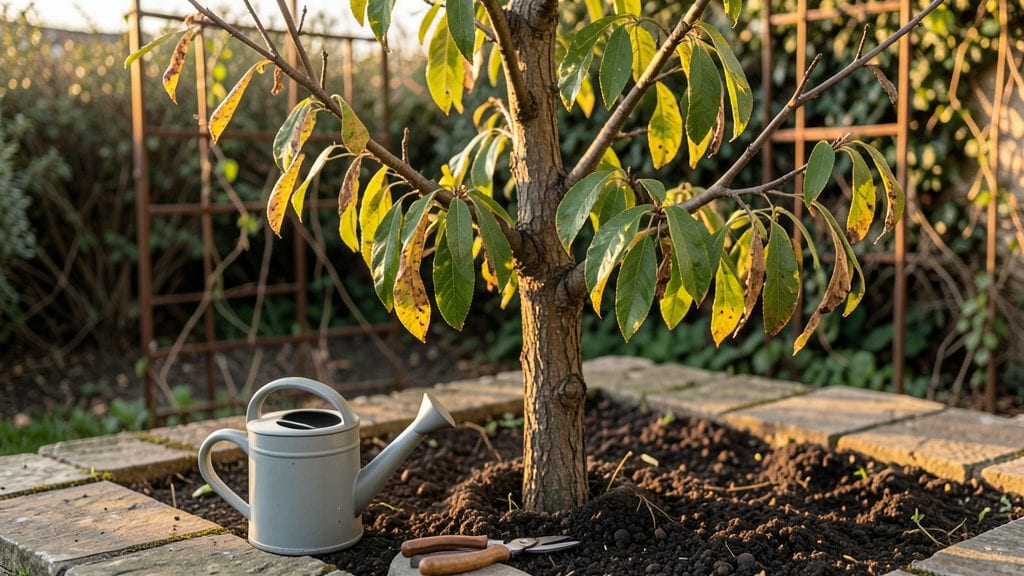
Seeing the peach tree leaf wilt like a forgotten houseplant sends gardeners into a spin—but don’t panic, because the fix is often simpler than you think. 🌿 I’ve nursed back more than a few struggling trees by pinpointing the exact cause within hours, and you can too.
The key is checking for telltale signs: brown spots with yellow halos (fungus), sticky residue (aphids), or crispy edges (heat stress). Each problem needs a different fix, but none are permanent if you act fast.
Most wilting starts with one of three culprits: fungal infections like peach leaf curl or bacterial spot, which thrive in damp spring weather; environmental stress from sudden drought or scorching afternoon sun; or pests like spider mites that suck sap until leaves curl and drop.
The good news? Pruning infected branches, adjusting watering schedules, and applying the right treatment (organic neem oil or copper fungicide) can turn things around in as little as 10 days.
By the time you’ve identified the issue and applied the solution, your tree will start showing signs of recovery—new growth at the tips, firmer leaves, and a return of that glossy green sheen.
The secret is acting before the problem spreads beyond the leaves to the fruit or branches. With the right approach, your peach tree won’t just survive—it’ll bounce back stronger than ever.
Whether you’re dealing with a young tree or a mature one, the same principles apply. The faster you diagnose, the faster you revive. Let’s get your tree back to producing those sweet, juicy peaches you planted it for in the first place.
Root Causes Of Fading Foliage
Peach trees are resilient, but when their leaves start wilting, it’s often a cry for help from the roots—or something even more urgent. Understanding the why behind wilting leaves is the first step to saving your tree.
Below, we break down the most common culprits, backed by science, so you can diagnose and act fast.
Peach trees thrive in warm climates, but intense heat or prolonged drought can push them past their limits. When soil moisture drops below 30-40%, roots struggle to absorb water, leading to wilting leaves—even in well-drained soil.
- How it happens: High temperatures increase transpiration (water loss through leaves) faster than roots can replenish it. Cells lose turgor pressure, causing leaves to droop. - Key signs: Wilting starts on older leaves first, often in the afternoon.
Soil feels dry 2-3 inches deep, and leaves may turn yellow or brown at the edges. - Actionable fix: Deep watering (1-2 inches per week) is critical.
Use drip irrigation or soaker hoses to deliver water slowly to the root zone. Mulch heavily (3-4 inches) to retain moisture and cool roots.
Pathogens like bacterial leaf scorch (Xylella fastidiosa) or fungal wilts (Verticillium or Fusarium) clog a tree’s xylem vessels, blocking water transport. These infections are often fatal if untreated.
- How it happens: Spores or bacteria enter through pruning wounds, cracks in bark, or root damage.
Once inside, they multiply, creating gummy deposits that disrupt water flow. - Key signs: - Bacterial scorch: Leaves wilt from the edges inward, with dark, scorch-like margins. - Fungal wilt: Wilting is sudden and severe, often paired with yellowing leaves and stunted growth. - Oozing sap from stems or branches (a red flag for bacterial infections). - Actionable fix: - Prune infected branches (sterilize tools with 70% alcohol between cuts). - Remove and destroy heavily infected leaves/branches. - Apply copper-based fungicides (for bacterial scorch) or systemic fungicides (like propiconazole) for fungal wilts. - Improve air circulation by thinning the canopy.
Peach trees hate soggy feet. Compacted soil, root rot (Phytophthora or Armillaria), or poor drainage strangle roots, cutting off their water supply.
- How it happens:
- Overwatering or clay-heavy soil suffocates roots, leading to anaerobic conditions (no oxygen).
- Physical damage from construction, lawnmowers, or girdling roots (roots growing around the trunk) restricts nutrient flow.
- Key signs:
- Wilting even after watering (roots can’t absorb moisture).
- Mushrooms at the base (sign of Armillaria root rot).
- Squishy, foul-smelling roots when dug up.
- Actionable fix:
- Test soil drainage: Dig a hole, fill it with water—if it drains in <1 hour, it’s good; if it pools for hours, amend with sand or compost.
- Aerate compacted soil with a soil probe or garden fork.
- Remove girdling roots carefully with a pruning saw.
- For root rot, apply hydrogen peroxide (3%) to soil or use beneficial fungi like Trichoderma.
Sap-sucking pests like aphids, spider mites, or peach tree borers weaken trees by disrupting nutrient flow and transmitting diseases.
- How it happens:
- Aphids & mites pierce leaves, causing wilting from dehydration.
- Borers tunnel into cambium layers, blocking water transport.
- Key signs:
- Sticky residue (honeydew) on leaves (aphids).
- Fine webbing on undersides (mites).
- Sawdust-like frass near borer holes.
- Actionable fix:
- Blast pests off with a strong water spray (early morning).
- Use neem oil or insecticidal soap for soft-bodied pests.
- For borers, apply borax-based treatments or systemic insecticides (like imidacloprid).
Peach trees need balanced nutrients to stay hydrated. Deficiencies in potassium (K), magnesium (Mg), or calcium (Ca) weaken cell walls, making leaves flaccid and prone to wilting.
- How it happens:
- Over-fertilizing with nitrogen (N) burns roots, while lack of potassium disrupts water regulation.
- Soil pH imbalances (too acidic or alkaline) lock out essential minerals.
- Key signs:
- Potassium deficiency: Yellowing leaf edges (scorch) and weak stems.
- Magnesium deficiency: Interveinal chlorosis (yellowing between veins).
- Calcium deficiency: Blossom end rot (affects leaves/fruit).
- Actionable fix:
- Test soil pH (ideal: 6.0-7.0 for peach trees).
- Apply balanced fertilizer (e.g., 10-10-10) in early spring.
- For potassium, use wood ash or greensand.
- For magnesium, Epsom salt spray (1 tbsp/gallon) every 2 weeks.
Sudden temperature swings, high winds, or air pollution can shock peach trees, causing rapid wilting.
- How it happens:
- Cold snaps damage root systems, halting water uptake.
- Salt buildup (from poor irrigation water) osmotically stresses roots.
- Key signs:
- Wilting after a frost or heatwave.
- Crispy leaf edges (salt burn).
- Actionable fix:
- Mulch heavily to insulate roots in winter.
- Flush soil with rainwater to dilute salt.
- Provide windbreaks (burlap screens) for young trees.
Revive Your Tree with These Fixes
Now that you’ve identified the cause of your peach tree’s wilting leaves, it’s time to take action! The right approach depends on the root issue—whether it’s environmental stress, pests, disease, or poor care.
Below are practical, step-by-step solutions tailored to each common cause, plus prevention tips to keep your tree thriving long-term.
🔥 Overwatering or Poor Drainage
If your peach tree’s leaves are yellowing, drooping, or mushy, root rot may be the culprit. Overwatering suffocates roots, cutting off oxygen and nutrients.
How to Fix It:
- 🌱 Stop Watering Immediately – Let the soil dry out completely before watering again.
- 🔪 Prune Affected Roots (If Severe) – Carefully dig around the base (gently!) and trim any black, mushy roots with sterilized pruners.
- 🏗️ Improve Drainage –
- Amend the soil with coarse sand, perlite, or compost to loosen compacted earth.
- Consider raising the tree’s base with a mound of gravel or a small platform to prevent water pooling.
- 🌡️ Adjust Watering Habits –
- Water deeply but infrequently (1–2 inches per week, depending on climate).
- Water at the base, not overhead, to avoid fungal growth.
💡 Prevention Tip: Plant peach trees in well-draining soil and avoid soggy spots. A soil moisture meter helps track hydration levels.
🍳 Underwatering or Drought Stress
Brown, crispy edges on leaves? Your tree might be thirsty. Peach trees need consistent moisture, especially during fruit development.
How to Fix It:
- 💦 Water Deeply and Slowly – Use a soaker hose or drip irrigation to deliver water directly to the roots (1–2 inches per week).
- 🌿 Mulch Generously – Apply 2–4 inches of organic mulch (wood chips, straw) around the base to retain moisture and regulate soil temperature.
- 🌧️ Check for Drought Conditions – If your area is experiencing a heatwave, water every 2–3 days until leaves perk up.
- 🌱 Monitor Soil Moisture – Stick your finger 2 inches into the soil; if it’s dry, water again.
💡 Prevention Tip: Mulch early to lock in moisture, and water in the morning to reduce evaporation.
👨🍳 Leaf Curling or Sap-Sucking Bugs (Aphids, Spider Mites, Scale)
Wilting, sticky leaves, or webbed foliage? Sap-sucking pests weaken trees by draining nutrients.
How to Fix It:
- 🔍 Identify the Pest – Check the undersides of leaves for tiny bugs, webs, or honeydew (sticky residue).
- 💦 Blast Off with Water – Use a strong hose spray to dislodge aphids and spider mites.
- 🧼 Apply Insecticidal Soap or Neem Oil –
- Mix 1 tbsp neem oil + 1 tsp mild soap per gallon of water and spray early morning/evening (avoid direct sun).
- Reapply every 5–7 days until pests vanish.
- 🐝 Encourage Beneficial Insects – Ladybugs and lacewings eat aphids; attract them with native plants like dill or marigolds.
💡 Prevention Tip: Prune regularly to remove infested branches, and inspect new plants before bringing them home.
🔪 Boring Pests (Peach Tree Borers, Bark Beetles)
Holes in the bark or sawdust-like frass? These pests severally damage roots and trunk, causing wilting.
How to Fix It:
- 🔪 Prune Infested Branches – Cut out any branches with holes or oozing sap and dispose of them in sealed bags (don’t compost!).
- 🌡️ Apply Borer-Specific Treatment –
- Dormant oil spray (in late winter/early spring) smothers eggs and larvae.
- Systemic insecticide (like imidacloprid) can be soil-drenched for root borers (follow label instructions).
- 🏗️ Protect the Trunk –
- Wrap the trunk with tree banding (aluminum or plastic) to trap emerging adults.
- Seal cracks in bark with pruning sealant to block entry points.
💡 Prevention Tip: Keep grass trimmed around the tree base—borers love tall grass for shelter.
🍎 Bacterial Leaf Spot or Brown Rot
Dark spots, wilting, and fruit rot? Fungal/bacterial diseases thrive in humid, wet conditions.
How to Fix It:
- 🧼 Prune and Sterilize –
- Remove all infected leaves, branches, and fruit (even fallen ones).
- Sterilize pruners with rubbing alcohol between cuts.
- 💦 Improve Airflow –
- Thin out dense branches to allow sunlight and air circulation.
- Space trees 15–20 feet apart to prevent crowding.
- 🌿 Apply Fungicide –
- Use copper fungicide (for bacterial spot) or neem oil (for fungal issues) every 2–3 weeks during wet seasons.
- 🌧️ Adjust Watering – Water early in the day so foliage dries quickly.
💡 Prevention Tip: Clean up debris in fall/winter—diseases overwinter in fallen leaves!
🔥 Root Rot (Fungal Infection)
If the entire tree wilts suddenly despite proper watering, root rot may have taken hold.
How to Fix It:
- 🌱 Stop Watering Immediately – Let the soil dry out to starve the fungus.
- 🔪 Remove Severely Infected Roots – Dig carefully and trim black, mushy roots with sterilized tools.
- 🏗️ Repot or Replant (If Necessary) –
- If the tree is young, repot in fresh, sterile soil with perlite for drainage.
- For mature trees, amend the soil with compost and sand.
- 🌡️ Apply Fungicide –
- Use mycorrhizal fungi or beneficial bacteria (like Trichoderma) to outcompete the pathogen.
- Avoid chemical fungicides—they can harm beneficial microbes.
💡 Prevention Tip: Test your soil’s pH—peach trees prefer slightly acidic (6.0–6.5); adjust with sulfur or lime if needed.
- 📊 Soil Health Check –
- Test soil pH and nutrients annually (peach trees need nitrogen, phosphorus, and potassium).
- Amend with compost in early spring for a nutrient boost.
- ✨ Proper Pruning Practices –
- Prune in late winter/early spring to remove dead, crossing, or diseased branches.
- Avoid heavy pruning during fruit-bearing seasons.
- 🌡️ Climate Considerations –
- Mulch heavily in winter to insulate roots from freezing.
- Provide shade cloth in extreme heat to reduce stress.
- 🎯 Monitor Regularly –
- Inspect leaves weekly for early signs of pests/disease.
- Keep a tree care journal to track watering, treatments, and growth patterns.
🌟 Quick Recap:
| Cause | Fix It Fast | Prevent It |
|---|
| Overwatering/Root Rot | Stop water
Frequently asked questions
Why do peach tree leaves wilt suddenly even when the soil looks moist?
Sudden wilting with moist soil often signals root rot or bacterial infections like leaf scorch. Check for black, mushy roots or oozing sap on stems—these are red flags. Overwatering or compacted soil creates anaerobic conditions that suffocate roots, while pathogens clog water transport systems. Act fast by stopping water and improving drainage.
Can I save my peach tree if half the leaves are already wilted?
Yes, but speed matters! If wilting started recently, prune infected branches, adjust watering, and apply targeted treatments (fungicide for disease, neem oil for pests). For severe cases, focus on root health—aerate compacted soil and mulch heavily. Young trees recover faster than mature ones, but even established trees can bounce back with proper care within 2-4 weeks.
How do I tell if wilting is from pests vs. disease vs. drought?
Pests leave sticky residue (honeydew) or fine webbing on leaves, while diseases cause dark spots with yellow halos or oozing sap. Drought wilting starts with older leaves in afternoon heat and crispy edges. Flip leaves to check for tiny bugs—mites or aphids—and examine stems for borer holes or fungal growth.
Is it safe to use vinegar or household cleaners to treat peach tree diseases?
No, never use vinegar or bleach on trees—these damage beneficial microbes and burn foliage. For fungal issues, opt for copper fungicide or neem oil, and for bacterial infections, use hydrogen peroxide (3%) diluted in water. Always test solutions on a small leaf area first and follow label instructions for concentration.
Will pruning wilted leaves help my peach tree recover?
Pruning only infected branches helps, but avoid removing healthy foliage. Focus on cutting back 1/3 of the wilted growth just above a healthy bud, then sterilize tools with 70% alcohol. This improves airflow and redirects energy to new growth. Never prune during peak fruit production—wait until late winter or early spring.