
Diseases
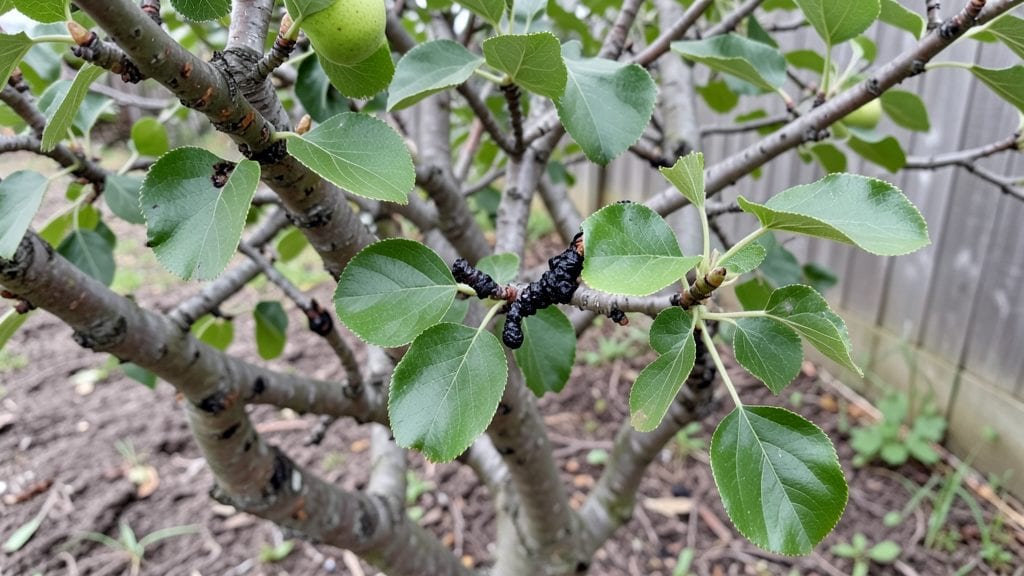
Fire blight—a devastating pear tree disease—starts with a single blackened shoot and ends with a ruined harvest if you don’t act fast. 🌿 I’ve seen this bacterial scourge turn thriving orchards into skeletal remains within weeks—once it spreads, there’s no going back.
The key to saving your tree lies in spotting those early warning signs: wilting leaves, oozing cankers, and those telltale blackened branches that look like they’ve been singed by fire.
This isn’t just about pruning—though that’s your first line of defense. The bacteria Erwinia amylovora thrives in wet, crowded conditions, so proper spacing and airflow are just as critical. I’ve learned the hard way that even a single infected branch left uncut can reinfect your entire tree next season.
Copper sprays work, but timing matters: apply them before bloom when temperatures hit 50°F, and repeat every 10-14 days during rainy periods.
What you’ll gain is a pear tree that fights back—healthy branches, abundant fruit, and the peace of mind that comes from catching fire blight before it takes hold. The secret weapon?
Resistant varieties like ‘Moonglow’ or ‘Seckel,’ combined with relentless vigilance. Early detection isn’t just theory; it’s the difference between a minor trim and losing your tree entirely.
Works for home orchards, commercial groves, or even a single backyard pear tree. The principles are the same—what changes is how aggressively you respond. Let’s get your tree fighting fit before next spring’s bloom.
Bacterial Invaders Behind The Damage
Fire blight in pear trees isn’t just a random act of nature—it’s a highly aggressive bacterial infection caused by Erwinia amylovora. This pathogen thrives in specific conditions, turning your once-healthy tree into a twisted, blackened mess.
Understanding why it happens is the first step to stopping it in its tracks. Let’s break down the key culprits and their sneaky strategies.
Fire blight targets Rosaceae family plants—including pears, apples, and even some ornamentals—because these trees have natural sugary sap that the Erwinia bacteria loves. Here’s how it exploits your tree:
- 🔥 Sugar-Fueled Feast: The bacteria secrete enzymes that break down the tree’s cell walls, turning its own nutrients against it. Think of it like a sugar addiction—once it’s in, it’s hard to kick.
- 🌡️ Warm, Wet Conditions: Erwinia amylovora multiplies rapidly in temperatures between 68–86°F (20–30°C) and thrives when rain or overhead watering keeps blossoms and leaves damp. It’s like the bacteria is waiting for a perfect storm to strike.
- 🌸 Open Wounds as Doorways: Pruning cuts, storm damage, or even honeydew (a sticky residue left by aphids) create entry points. The bacteria slips in through these gaps, then spreads like wildfire through the tree’s vascular system.
Fire blight doesn’t just appear out of nowhere—it needs the right weather to take hold. These conditions are its favorite:
- 💦 Rain During Blooming: When pear trees are in full bloom (spring), Erwinia hitches a ride on rain splashes or bees moving between flowers. One infected blossom can contaminate an entire branch.
- 🌡️ Humid Nights + Warm Days: Nighttime humidity keeps bacterial ooze (a slimy, amber-colored goo) active, while daytime warmth helps it spread faster through the tree’s water-conducting vessels.
- 🌬️ Wind and Pollinators: Bees and other insects unwittingly transfer the bacteria from tree to tree. Even wind-driven rain can fling infected droplets up to 10 feet—turning your orchard into a contagion hotspot.
A healthy pear tree can resist fire blight better, but stress makes it vulnerable. Common stressors that invite infection include:
- 💧 Overwatering or Drought: Both extremes weaken the tree’s defenses. Overwatering creates soggy soil (ideal for bacterial growth), while drought stress makes the tree’s sap thicker and more attractive to Erwinia.
- 🍃 Poor Nutrition: A lack of nitrogen, phosphorus, or potassium makes trees less resilient. Think of it like a human with a weakened immune system—one infection, and it’s game over.
- 🪓 Improper Pruning: Cutting too late in the season (when Erwinia is active) or using dull tools creates jagged wounds that don’t heal properly, giving bacteria a foothold.
- 🐞 Pest Damage: Aphids and other sap-sucking pests injure the tree and leave behind honeydew, which traps moisture and creates the perfect breeding ground for Erwinia.
Once inside, Erwinia amylovora doesn’t just stay put—it moves strategically to maximize damage:
- 🌸 Blossom to Shoot: The bacteria starts in infected flowers, then travels down to the fruit spurs and young shoots, causing them to wilt and blacken (hence the name “fire blight”).
- 🌿 Leaf to Leaf: It spreads through the phloem (the tree’s food-transport system), clogging vessels and starving the tree from the inside out.
- 🌳 Branch to Branch: Wind, rain, or even birds can carry infected bacterial ooze to healthy branches, turning a single infection into a full-blown epidemic.
Fire blight doesn’t just attack—it adapts and spreads. Here’s why it’s so persistent:
- 🔄 Overwintering Survivors: The bacteria can hide in cankers (dead, sunken areas on branches) or fallen leaves over winter, ready to re-emerge when conditions are right.
- 🌱 Volunteer Trees: If you’ve ever planted pear tree seedlings from fallen fruit, those unexpected saplings can be silent carriers of the disease.
- 🌿 Neighbor’s Trees: Fire blight doesn’t respect property lines. An infected tree just 50 feet away can re-infect your orchard year after year.
Now that you know why fire blight strikes, the next step is how to stop it. Stay tuned for actionable strategies to protect your pear trees and kick this bacterial bully out for good.
Quick Fixes for Fire Blight in Pear Trees
Fire blight is a stubborn bacterial foe, but with the right moves, you can save your pear tree and keep future outbreaks at bay. Below, we map the most common symptoms to practical, step-by-step fixes—plus prevention tips to lock in long-term health.
Let’s roll up our sleeves and get to work!
Fire blight spreads like wildfire (literally) through sap, rain, and even pruning tools. The sooner you act, the better your chances of containment.
🍎 Symptom: Blackened, Wilted Blossoms or Leaves
Cause: Erwinia amylovora bacteria infects flowers first, turning them into blackened, oily messes that drip onto new growth. Fix: 1. 🪒 Prune infected branches—cut 6–12 inches below the blackened area (the bacteria hides in the bark).
Use sterilized tools (rubbing alcohol or bleach solution). 2. 🧼 Sterilize tools between cuts to avoid cross-contamination. 3. 🗑️ Bag and dispose of pruned material in the trash (not compost)—do not burn (spores can spread via smoke).
- 💦 Apply copper fungicide (like Copper Sulfate or Bordeaux Mix) to the pruning wounds to slow bacterial spread.
💡 Pro Tip: Prune on a dry day—wet conditions help the bacteria spread. If rain is forecast, wait 24–48 hours.
Cause: The bacteria girdles branches, causing them to wilt suddenly (like a flag dropping). The tips may look blackened and slimy. Fix:
- 🔪 Remove the entire infected branch—don’t hesitate! The bacteria can hide deep in the wood.
- 🔥 Seal the wound with pruning paint or wound dressing (like Tanglefoot Tree Wound Pruning Seal) to prevent secondary infections.
- 🌡️ Monitor for new outbreaks—fire blight can re-emerge in weak spots. Check the tree weekly during bloom and summer.
✨ Prevention Hack: Thin out dense branches in winter to improve airflow—less humidity = fewer bacterial hideouts.
Cause: Chronic infections create sunken, oozing sores (cankers) that ooze brown, sticky bacterial ooze. Fix:
- 🔪 Excise cankers completely—cut out the infected area at least 4 inches below the visible damage. Healthy wood should be greenish-white when sliced.
- 🧼 Sterilize tools between each cut to avoid spreading bacteria.
- 🛡️ Apply a protective barrier—use copper-based spray or lime sulfur (follow label rates) to kill lingering bacteria.
- 🌱 Consider systemic antibiotics (like Agri-Fos or BlightBan A.I.) for severe cases—consult a local extension office for approved treatments.
🎯 Long-Term Defense: Plant resistant varieties like ‘Moonglow’ or ‘Seckel’ pears if fire blight is rampant in your area.
Cause: Fire blight thrives in wet, warm conditions (60–90°F). Rain splashes bacteria from infected debris onto healthy parts. Fix:
- 🌂 Improve drainage—raise soil levels or install drip irrigation to keep foliage dry.
- 🚫 Avoid overhead watering—use soaker hoses or drip systems to keep leaves dry.
- 🍃 Mulch properly—use wood chips or straw (not fresh grass clippings) to reduce splashing.
- 🛡️ Schedule preventive sprays:
- Before bloom: Apply copper fungicide (e.g., Cueva or Kocide).
- During bloom: Reapply if rain occurs within 7–10 days.
💡 Pro Tip: Prune in late winter/early spring (before bloom) to remove last year’s infected wood—this cuts down on bacterial sources.
If more than 30% of the tree is infected, salvage what you can but be prepared for possible removal: 1. 🪓 Prune aggressively—remove all infected limbs, even if it means thinning the tree significantly.
- 🔥 Consider tree removal if the trunk is heavily cankered—fire blight can kill a tree in one season.
- 🌱 Replace with resistant varieties in a different location (fire blight spores can linger in soil for years).
⚠️ Warning: Do not compost infected material—the bacteria can survive and reinfect.
| Season | Task | Why It Works |
|---|---|---|
| Winter | Prune out last year’s infected wood (before buds swell). | Removes bacterial overwintering sites. |
| Early Spring | Apply copper fungicide before bloom. | Stops initial infection. |
| Bloom Season | Monitor daily for wilting flowers. | Catches outbreaks early. |
| Summer | Thin fruit to reduce stress on the tree. | Stronger trees resist disease better. |
| Fall | Clean up all debris (prunings, fallen fruit). | Removes bacterial reservoirs. |
| Year-Round | Sterilize tools before/after use. | Prevents tool-borne spread. |
Final Thought: Fire blight is manageable—but it demands vigilance. The key is speed, sterilization, and prevention. With these steps, you’ll give your pear tree its best shot at a healthy, blight-free future! 🌳💪
Frequently asked questions
How can I tell if my pear tree has fire blight early?
Look for blackened, wilted blossoms that resemble scorched fire—this is the classic first sign. Check for slimy, amber ooze at branch tips or cankers (sunken sores) that ooze when cut. Young shoots may suddenly droop like a flag, then turn dark brown within days.
Can I save a pear tree if it's already heavily infected?
Yes, but act fast! Prune out all infected branches (cut 6–12 inches below visible damage) and sterilize tools between cuts. For severe cases, consider removing the tree if 30%+ is affected—fire blight can kill trees quickly. Replace with resistant varieties like ‘Moonglow’ in a different location.
What’s the best time of year to prune for fire blight prevention?
Prune during late winter/early spring (before buds swell) to remove last year’s infected wood. Avoid pruning during bloom season (when bacteria spreads fastest) or after rain. Sterilize tools with rubbing alcohol or bleach between each cut to prevent cross-contamination.
Are there organic ways to treat fire blight?
Yes! Use copper-based sprays (like Cueva or Bordeaux Mix) before bloom and after pruning. Apply neem oil (mixed with water) to strengthen tree defenses, and improve airflow by thinning dense branches. Avoid composting infected material—burning spreads spores.
Why does fire blight spread so fast in my orchard?
Fire blight thrives in wet, warm conditions (68–86°F) and spreads via rain splashes, bees, and wind. Overhead watering, crowded trees, and honeydew from aphids create perfect breeding grounds. Thin trees, use drip irrigation, and remove infected debris immediately to slow the spread.