
Diseases
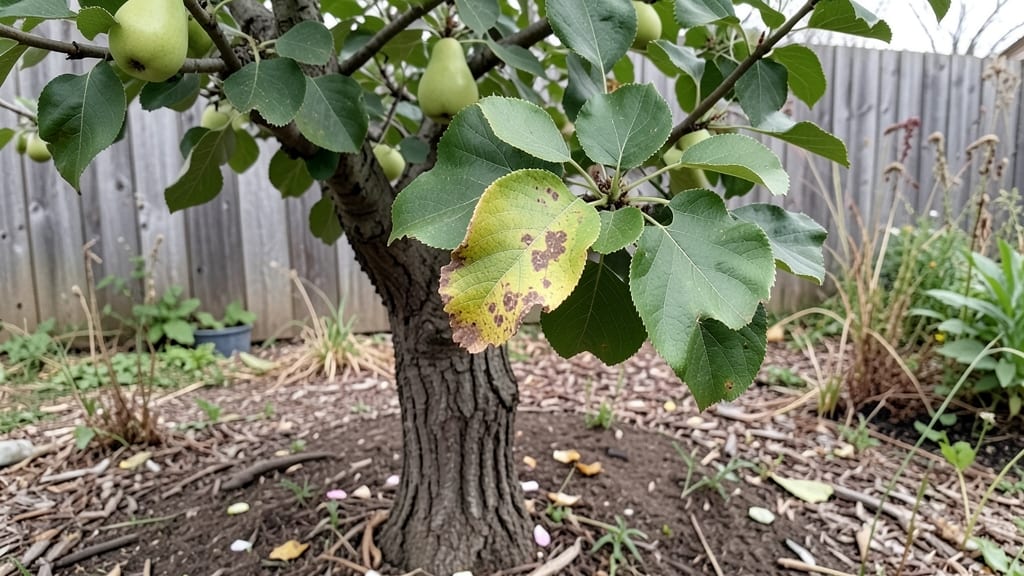
If you’re spotting dark streaks on your pear tree branches, comparing them to pictures of pear tree diseases can help you diagnose the problem early. Those aren’t just shadows—fire blight and other diseases can turn a thriving orchard into a sad, spotted mess if you don’t act fast.
I’ve spent years diagnosing these sneaky problems, and I’ll show you exactly what to look for so you can catch them before they spread. The key is spotting the early signs: oozing cankers, fuzzy white patches, or sudden leaf drop that looks like someone gave your tree a bad haircut.
Most of these diseases start with stress—too much rain, poor air circulation, or overcrowded branches. But here’s the good news: prevention is simpler than you think. Pruning at the right time, choosing resistant varieties, and keeping your tree healthy with proper watering and mulching cuts your risk by half.
I’ll walk you through the most common culprits—fire blight, black spot, powdery mildew—and how to tell them apart before they ruin your harvest.
Once you recognize the symptoms, treatment becomes straightforward. Copper sprays for fire blight, fungicides for powdery mildew, and proper pruning techniques can save your tree. The goal isn’t just to fix the problem—it’s to stop it from coming back next year.
With the right approach, your pears will stay lush, productive, and disease-free, giving you the sweet, juicy fruit you planted for in the first place.
This guide includes visual comparisons of each disease so you can match what you’re seeing to the solution. No more guessing—just clear, actionable steps to keep your pear tree strong. Let’s get your orchard back to its best, starting with the first signs you might be missing right now.
Root Causes Behind Pear Tree Ailments
Pear trees, like all fruit-bearing plants, are susceptible to diseases due to a mix of environmental stressors, microbial invaders, and poor cultural practices. Understanding why these issues arise is the first step in prevention and treatment.
Below, we break down the key factors that create the perfect storm for pear tree diseases—so you can address them before they take hold.
Pear trees thrive in specific climatic conditions, and deviations—whether too much rain, extreme heat, or sudden temperature swings—can weaken their natural defenses. Here’s how weather plays a role:
- Excess Moisture: Prolonged wet conditions (especially during spring and summer) create the ideal breeding ground for fungal pathogens like Venturia (causing scab) and Botryosphaeria (linked to canker diseases). Fungal spores splash onto leaves and fruit from soil or infected debris, germinating in the damp environment. 💡 Pro Tip: Avoid overhead watering and ensure proper drainage to reduce leaf wetness.
- Temperature Fluctuations: Freeze-thaw cycles in early spring can damage bark, creating entry points for bacteria (e.g., Pseudomonas syringae, which causes bacterial blight). Similarly, heatwaves stress trees, making them more vulnerable to pests like aphids, which spread viral diseases.
- High Humidity: Stagnant air traps moisture on foliage, accelerating the spread of powdery mildew (Podosphaera leucotricha) and other fungal infections. This is especially problematic in dense plantings or shaded areas.
Diseases don’t just happen—they’re caused by specific pathogens that exploit weaknesses in your pear tree. Here’s how they infiltrate and spread:
| Pathogen Type | How It Infects | Weakness Exploited |
|---|---|---|
| Fungi (e.g., Venturia, Monilinia) | Spores land on wet surfaces, germinate, and penetrate through stomata (leaf pores) or wounds. | Poor air circulation, thick canopies, or injured bark. |
| Bacteria (e.g., Erwinia amylovora) | Enter through pruning wounds, insect bites, or natural openings like lenticels (bark pores). | Recent pruning, hail damage, or stress from drought. |
| Viruses (e.g., Apple Mosaic Virus) | Spread by sap-sucking insects (aphids, leafhoppers) or contaminated tools. | Weakened immune system from poor nutrition or pest infestations. |
🔥 Key Insight: Fungal diseases often start as latent infections—meaning they lie dormant in buds or cankers until conditions (like rain) trigger outbreaks. Bacteria and viruses, however, multiply rapidly once inside the tree.
A neglected pear tree is an open invitation to diseases. Here’s how subpar care sets the stage for problems:
- Nutritional Deficiencies: Lack of key nutrients (e.g., nitrogen, potassium, or micronutrients like boron) weakens cell walls, making trees more susceptible to fungal penetration. 🌡️ Sign: Yellowing leaves (chlorosis) or stunted growth signal stress.
- Overcrowding: Dense plantings restrict airflow, trapping humidity and spores. This is a red flag for diseases like powdery mildew and fire blight (Erwinia).
- Improper Pruning: Cutting too late in the season (after bud swell) or using dirty tools can introduce bacterial infections. Ragged cuts also fail to heal properly, creating entry points.
- Soil Issues: Compacted or waterlogged soil limits root function, while overly alkaline soil (pH >7.5) can cause nutrient lockout, stressing the tree. ✨ Fix: Test soil annually and amend with compost or sulfur as needed.
Insects don’t just damage pear trees—they’re often the delivery system for viruses and bacteria. Here’s how:
- Aphids and Leafhoppers: These sap-suckers inject viruses (e.g., Apple Mosaic Virus) while feeding. They also excrete honeydew, a sticky residue that fosters sooty mold—a secondary fungal issue.
- Borers and Scale Insects: By tunneling into bark or stems, they create wounds where bacteria like Pseudomonas can colonize. Weakened wood is also more prone to canker diseases.
- Caterpillars and Beetles: Their feeding wounds can serve as entry points for fungal spores, especially in humid conditions.
🎯 Prevention Tip: Monitor for pests early in spring, and use horticultural oil or neem oil to disrupt their life cycles before they spread diseases.
By tackling these root causes—whether through smarter watering, targeted pruning, or pest control—you can dramatically reduce the risk of pear tree diseases before they even appear. Stay vigilant, and your tree’s defenses will stay strong! 🌿
Fixing Pear Tree Diseases Step-by-Step
Pear trees, like any other fruit-bearing plant, can fall victim to diseases—but the good news is that most issues are manageable with the right approach. Below, we’ve mapped out practical, actionable solutions for common pear tree diseases, paired with prevention tips to keep your tree thriving.
Think of this as your disease-fighting toolkit—equipped with everything you need to diagnose, treat, and protect your tree.
Cause: Erwinia amylovora bacteria, often triggered by wet weather or wounds. Fix:
- Prune infected branches at least 6 inches below the visible blight (use sterilized tools—soak pruners in 10% bleach solution between cuts).
- Dispose of infected branches in sealed bags (do not compost).
- Apply copper-based bactericides (like Copper Sulfate) during spring blooms to prevent spread.
- Thin out dense foliage to improve airflow and reduce humidity.
💡 Pro Tip: If fire blight strikes, avoid pruning during wet conditions—wait for dry weather to minimize bacterial spread.
Cause: Podosphaera leucotricha fungus thrives in warm, humid conditions. Fix:
- Remove heavily infected leaves (drop them in a sealed bag).
- Spray with neem oil or sulfur-based fungicides (follow label instructions) every 7–10 days during humid periods.
- Improve airflow by pruning overcrowded branches.
- Water at the base (avoid wetting leaves) and prune for sunlight exposure.
🌡️ Prevention Hack: Reflective mulch (like aluminum foil) around the base can reduce humidity near the tree.
Cause: Diplocarpon mespili fungus, common in wet springs. Fix:
- Rake and remove fallen leaves (burn or bag them—do not compost).
- Apply fungicides (like chlorothalonil or myclobutanil) before buds swell in early spring, then every 2–3 weeks.
- Prune for sunlight—thin out shaded branches to dry leaves faster.
- Avoid overhead watering—use drip irrigation instead.
✨ Bonus Tip: Companion planting with garlic or chives nearby may deter fungal spores naturally.
Cause: Nectria or Leucostoma fungi enter through wounds. Fix:
- Prune infected cankers (remove all diseased wood, including healthy tissue beneath).
- Sterilize tools between cuts (bleach solution or rubbing alcohol).
- Apply copper fungicide to pruning wounds to prevent reinfection.
- Avoid wounding trees during active growth (late spring/early summer).
🔪 Safety First: If cankers are deep or numerous, consult an arborist—severe cases may require professional treatment.
Cause: Venturia nashicola fungus, worse in wet, cool springs. Fix:
- Start fungicide applications before buds open (use fixed copper or propiconazole).
- Remove and destroy infected fruit and leaves (do not leave them on the ground).
- Thin fruit to reduce moisture buildup in the canopy.
- Avoid overhead irrigation—water deeply at the base instead.
🎯 Prevention Goal: Break the fungus’s life cycle by treating before spores spread.
No matter the disease, these universal strategies will keep your pear tree resilient:
- Choose disease-resistant varieties (e.g., ‘Moonglow’ or ‘Seckel’ pears).
- Mulch properly (2–4 inches of organic mulch, keep it 6 inches from the trunk).
- Monitor regularly—catch issues early with weekly inspections.
- Encourage beneficial insects (ladybugs, lacewings) with native plants like yarrow or dill.
Final Reminder: 🚨 Act fast—most diseases spread quickly, but early intervention saves your tree! With these steps, your pear tree will bounce back stronger—and you’ll be enjoying juicy, disease-free fruit in no time.
Frequently asked questions
How do I tell if my pear tree’s brown spots are from disease or just sunburn?
Disease spots (like black spot or scab) appear as dark, velvety patches with fuzzy edges, often on undersides of leaves. Sunburn shows as dry, crispy brown areas on leaf edges or fruit, usually on sides exposed to harsh afternoon sun. Check for other symptoms: oozing cankers or leaf drop point to disease, while sunburned leaves stay attached but look papery.
Can I use the same fungicide for all pear tree diseases?
No—fungicides target specific pathogens. For example, copper-based sprays work for bacterial issues like fire blight but won’t stop fungal diseases like powdery mildew. Always match the treatment to the disease: sulfur for mildew, chlorothalonil for scab, and neem oil for early-stage infections. Rotate treatments to prevent resistance.
Why does my pear tree keep getting infected even after treatment?
Persistent infections often mean poor air circulation or untreated spores in the soil/leaves. Prune to open the canopy, remove fallen leaves (don’t compost them), and sterilize tools between cuts. Also check for hidden wounds—pests or improper pruning can create entry points. If issues return yearly, consider resistant varieties or soil amendments.
Is it safe to eat fruit from a diseased pear tree?
Not always. Fruit from trees with fire blight or bacterial canker should be discarded—these diseases can contaminate the flesh. For fungal issues like scab or mildew, wash fruit thoroughly before eating, but avoid consuming heavily discolored or oozing fruit. When in doubt, remove and destroy infected fruit to prevent spread.
How often should I inspect my pear tree for early signs of disease?
Check your tree weekly during growing season (spring to fall) and biweekly in winter for dormant cankers. Focus on new growth, undersides of leaves, and branch junctions. Early detection is key—catching issues before they spread (like fire blight’s blackened streaks) makes treatment easier. Keep a photo journal to track changes.