
Trees
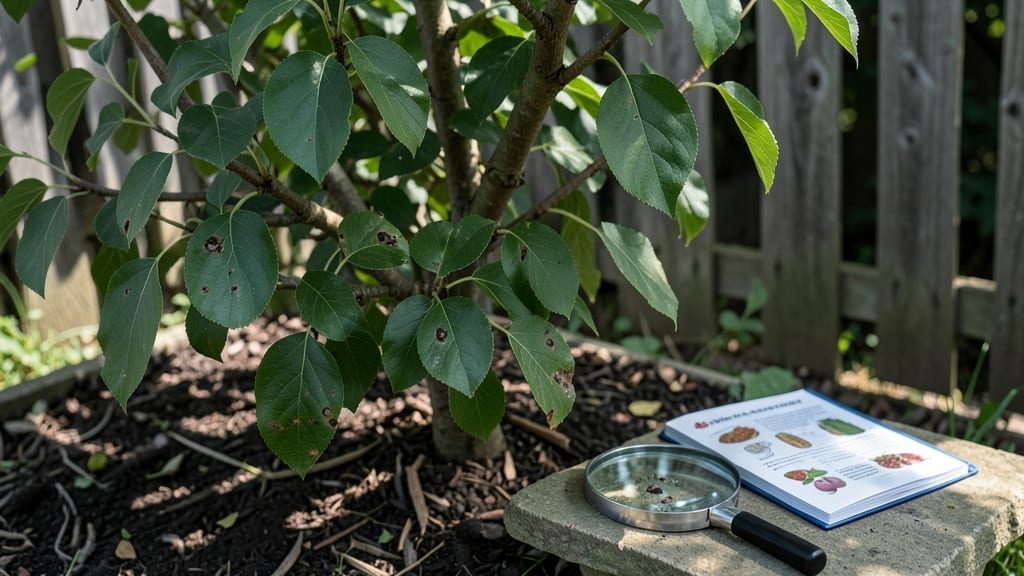
Mastering plum tree fungus identification early can stop brown rot from turning your fruit to mush overnight—or powdery mildew from reducing leaves to dusty scraps. The key is catching these diseases early, when treatment still works, by knowing exactly what to look for on leaves, bark, and fruit.
Most fungal issues start with tiny clues: dark spots on leaves, fuzzy white coatings, or fruit that softens and oozes. Brown rot, for example, creates sunken, leathery patches on fruit and leaves that curl at the edges.
Powdery mildew leaves a chalky residue, like someone dusted your tree with flour. Check the undersides of leaves too—some fungi hide there until it’s too late.
You don’t need a lab to confirm your suspicions. A hand lens or even a magnifying glass reveals spores (tiny dots or threads) that look like cotton or powder.
If you see these, your tree’s fighting an infection. The good news? Early identification means you can stop the spread before it ruins your harvest—or worse, kills your tree.
This guide covers the most common fungal threats to plum trees, where they strike first, and how to tell them apart. Once you recognize the warning signs, you’ll be ready to act fast. Let’s get started with the visual cues that save seasons.
Root Causes Of Plum Tree Fungus
Fungal infections in plum trees don’t appear out of nowhere—they’re usually the result of a perfect storm of environmental, biological, and human factors. Understanding these triggers is key to preventing outbreaks before they spread.
Below, we break down the most common reasons why fungi take hold in your plum trees, along with the science behind each cause.
Fungi thrive in moisture-rich environments, and plum trees are particularly vulnerable when their roots sit in soggy soil for too long. Here’s why this happens:
- Waterlogged roots create the ideal breeding ground for pathogens like Botryosphaeria (which causes dieback) or Monilinia (the culprit behind brown rot). Fungal spores germinate in damp conditions, infiltrating the tree’s vascular system. - Compacted or clay-heavy soil worsens the problem by preventing excess water from draining away.
Even well-draining soils can become saturated during prolonged rain or overzealous irrigation. - Fungal spores (often already present in the soil or on fallen leaves) latch onto weakened roots, especially if the tree is stressed from poor aeration.
Actionable fix: 💡 Test your soil’s drainage by digging a 12-inch hole, filling it with water, and timing how long it takes to drain. If it’s slower than 4 hours, amend the soil with compost or sand to improve airflow.
A healthy plum tree has natural physical and chemical barriers that repel fungi. When these defenses falter, infections take hold. Common weakening factors include:
- Nutrient deficiencies (especially potassium and phosphorus), which impair the tree’s ability to produce antifungal compounds like phenolics and phytoalexins. - Physical damage from pruning wounds, hail, or pests (like borers) creates entry points for spores.
Improper pruning—such as cutting too close to the trunk—leaves jagged edges that trap moisture and invite infection. - Environmental stress from extreme heat, drought, or sudden temperature swings. Stressed trees allocate energy to survival rather than disease resistance, making them easy targets.
Actionable fix: 🌡️ Monitor your tree’s health with a soil test (available through local extension offices) and fertilize with a balanced 10-10-10 or 5-10-10 formula in early spring to bolster defenses.
Fungal spores are everywhere—on contaminated tools, nearby infected plants, or even the wind. Here’s how they jump to your plum tree:
- Contaminated pruning tools can transfer spores from one tree to another. Even a single cut with an unsterilized blade introduces pathogens like Venturia (causing scab disease). - Fallen leaves and debris harbor overwintering spores.
When left on the ground, they release spores during wet conditions, infecting new growth. - Wildlife and wind spread spores over long distances. Birds, insects, and gusts can carry Monilinia spores (responsible for mummy fruit) from infected orchards.
Actionable fix: ✨ Sterilize pruners between cuts with 70% isopropyl alcohol or a 10% bleach solution (1 part bleach to 9 parts water). In fall, remove and destroy (don’t compost) infected leaves and fruit to break the spore cycle.
Fungi don’t just appear—they wait for the right conditions to strike. Plum trees are most at risk when:
- Humidity exceeds 75% for prolonged periods, creating a film of water on leaves (a fungal buffet). Diseases like powdery mildew (Podosphaera) flourish in these conditions. - Temperatures hover between 60–80°F (15–27°C), the sweet spot for spore germination and growth.
Cool, wet springs (like those in the Pacific Northwest) are particularly risky for Leucostoma (another dieback pathogen). - Frequent rain or morning dew keeps leaves damp for more than 12 hours, giving spores time to infect stomata (leaf pores).
Actionable fix: 🌬️ Improve air circulation around your tree by pruning to open the canopy and spacing trees 15–20 feet apart. If your region is prone to fungal outbreaks, consider fungicide sprays (like copper or sulfur-based options) during high-risk weather windows.
Some pests don’t just feed on plum trees—they create wounds that fungi exploit. Common culprits include:
- Plum curculio weevils, which chew into fruit and bark, leaving entry points for Monilinia spores.
- Borers (like the peach tree borer) tunnel into the trunk, weakening the tree and allowing root-rotting fungi (Phytophthora) to invade.
- Aphids and mites weaken trees by sucking sap, reducing their ability to produce antifungal resins.
Actionable fix: 🔥 Introduce beneficial insects (like ladybugs or lacewings) to control pests naturally. For severe infestations, apply neem oil or insecticidal soap in early spring before pests multiply.
Fixing Fungal Issues Fast
Now that you’ve identified the fungal culprit wreaking havoc on your plum tree, it’s time to act! The good news? Most fungal diseases are treatable with the right approach—whether it’s pruning, chemical fixes, or natural remedies.
Below, we’ll break down solutions by the most common causes and symptoms, so you can tackle the problem like a pro.
Cause: Apiosporina morbosa thrives in wet, humid conditions, forming those ugly, black, knobby growths on branches. Fix:
- 🔪 Prune infected branches in dry weather (never when the tree is wet). Cut 6–12 inches below the knot to ensure you remove all infected tissue. Sterilize pruners with rubbing alcohol or a 10% bleach solution between cuts.
- 🔥 Burn or bag the removed branches (do not compost them—the fungus can survive).
- 🌡️ Apply fungicide (like copper fungicide or neem oil) twice a year—once in early spring (before buds swell) and again after harvest.
💡 Prevention Tip:
- Space trees properly (12–15 feet apart) for better airflow.
- Water at the base (avoid overhead sprinkling) and mulch to keep soil moist but not soggy.
Cause: Monilinia fungus spreads via spores, causing blossoms to rot and fruit to mummify. Fix:
- 🧹 Remove all infected fruit (even mummified ones) from the ground and tree. Drop them in a sealed trash bag—don’t leave them near the tree!
- 🍳 Prune out dead or diseased branches (sterilize tools between cuts).
- 👨🍳 Spray with fungicide (like captan or myclobutanil) before bud break and again after petal fall to protect blossoms.
✨ Pro Tip:
- Encourage beneficial insects (like ladybugs) by planting dill or marigolds nearby—they help control fungal spores naturally.
Cause: Podosphaera or Sphaerotheca fungi coat leaves in a white, powdery film, weakening the tree. Fix:
- 🧼 Spray leaves with a baking soda solution (1 tsp baking soda + 1 quart water + a drop of dish soap) every 7–10 days until the mildew clears.
- 🌿 Improve airflow by thinning dense foliage or pruning lower branches.
- 🛡️ Apply fungicide (like sulfur-based sprays) if the infection is severe.
🎯 Prevention Tip:
- Avoid overhead watering—water early in the morning so leaves dry quickly.
- Plant resistant varieties like Santa Rosa or Stanley plums if mildew is a recurring issue.
Cause: Gloeosporium fungus causes dark, sunken lesions on leaves, fruit, and twigs. Fix:
- 🧴 Remove and destroy all infected leaves and fruit (composting can spread spores).
- 🔄 Prune out infected branches and sterilize tools between cuts.
- 💦 Apply fungicide (like chlorothalonil) before symptoms appear—focus on new growth and fruit clusters.
🔥 Quick Fix:
- Neem oil spray (1 tsp per quart of water) can help suppress anthracnose if caught early.
No matter the fungus, a strong plum tree fights off infections better.
Try these preventive power moves: - 💪 Fertilize properly—use a balanced 10-10-10 fertilizer in early spring and fall. - 🌱 Mulch with wood chips or straw (keep 2–3 inches away from the trunk). - 🚫 Avoid wounding the tree—prune only when necessary and seal large cuts with pruning sealant (for cuts over ½ inch). - 🐞 Encourage beneficial microbes by adding compost to the soil annually.
Final Reminder: The key to beating plum tree fungus is early action + prevention. Once you spot symptoms, act fast—most fixes work best when started before the fungus spreads. And remember: A healthy tree is the best defense! 🌳💪
Frequently asked questions about plum tree fungal diseases
What’s the fastest way to tell if my plum tree has a fungal infection?
Look for these 3 key signs: white powdery coatings (mildew), dark sunken spots on fruit/leaves (brown rot), or black knobby growths on branches (black knot). Use a hand lens to check leaf undersides for fuzzy spores—many fungi hide there until it’s too late.
Can I use household items to confirm fungus instead of buying a test kit?
Place a damp paper towel over an infected leaf for 24 hours. If fuzzy growth appears, it’s likely fungus. For powdery mildew, rub your finger across leaves—white residue confirms it. Never skip this step before treating!
Why does my plum tree get fungus every year, even after treatment?
Overwatering or poor airflow creates perfect fungal conditions. Check your soil drainage (dig a 12-inch hole—water should drain in <4 hours) and prune to open the canopy. Fungi also overwinter in fallen leaves, so remove and destroy (don’t compost) debris annually.
Is it safe to eat plums from a tree with fungus?
Only if the fungus is mild and localized (like small powdery mildew spots). Remove all infected fruit immediately—some fungi (like brown rot) produce toxins. When in doubt, discard affected fruit and focus on treating the tree to protect next year’s harvest.
How do I know if my plum tree’s fungus is spreading to other plants?
Watch for spore trails (like dusty threads) on nearby plants or tools. If you see similar symptoms (leaf spots, powdery coatings) on other trees, sterilize tools between uses and avoid planting susceptible species (like peaches) too close.