Trees
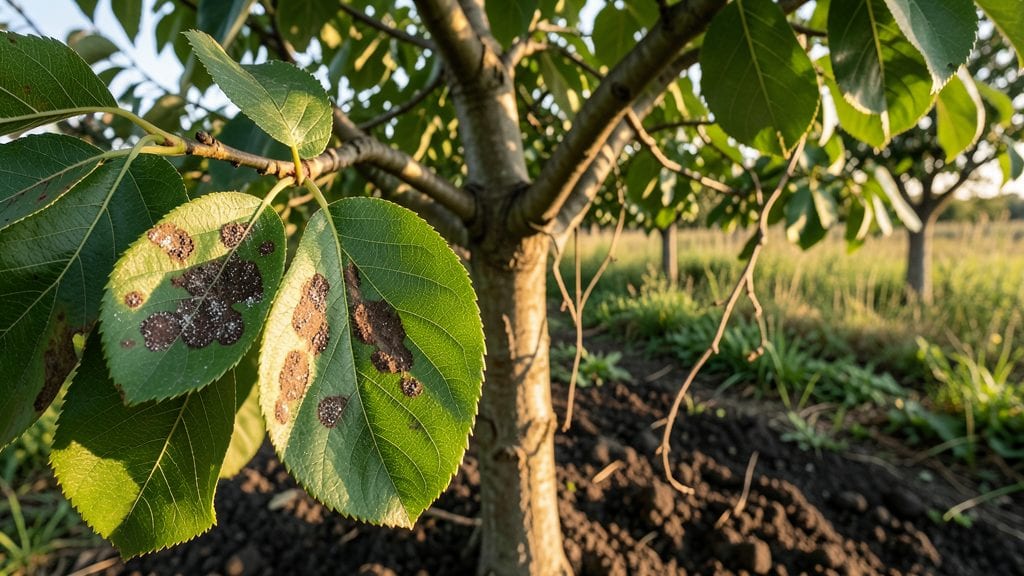
Plum tree fungus ruins fruit and weakens trees faster than you'd think. ✨ I’ve seen healthy-looking trees turn into defoliated skeletons in just a few weeks when brown rot or powdery mildew take hold—especially after a wet spring.
The key to saving your harvest is catching these diseases early, before they spread.
Most fungal issues start with spores splashing onto leaves or fruit from rain, infected prunings, or even nearby wild trees. Brown rot shows up as mushy, rotten fruit with tan mold, while powdery mildew coats leaves in white, powdery patches.
Anthracnose creates dark, sunken spots that turn leaves yellow and drop them prematurely. The good news? All three respond to the same basic fixes—pruning out infected parts, cleaning up debris, and applying fungicide at the right times.
With consistent care, you can protect next year’s crop and keep your tree thriving. Start by removing any fruit or leaves showing signs of rot, then spray with a copper-based fungicide in early spring before buds swell.
Repeat every 2–3 weeks during wet periods, and always sterilize pruning tools between cuts. The payoff? Juicy, disease-free plums by harvest time—no more bitter, moldy surprises.
This works for home gardens in zones 5–9, though timing varies slightly by region. If your tree is already heavily infected, don’t panic—aggressive cleanup and fungicide treatments can still turn things around. The worst mistake is waiting until symptoms appear; prevention is the real game-changer here.
Understanding Fungal Root Causes
Fungal infections in plum trees aren’t random—they thrive due to specific conditions that create the perfect storm for spores to spread and take hold. Understanding these triggers is the first step to prevention and treatment.
Below, we break down the key factors that turn your healthy plum tree into a fungal hotspot.
Fungi love water—it’s their lifeline. When plum trees sit in soggy soil or receive too much overhead irrigation, their bark and leaves stay damp for extended periods. This moisture creates ideal conditions for spores to germinate and infect wounds, buds, or even healthy tissue.
Why it happens:
- Compacted or clay-heavy soil prevents water from draining, keeping roots and lower trunk saturated. Fungi like Botryosphaeria (a common plum tree blight) thrive in these waterlogged zones.
- Overwatering or poor irrigation practices, such as sprinklers that soak the canopy, encourage fungal spores to splash onto leaves and fruit.
- Rainy seasons or high humidity (above 75%) prolong leaf wetness, giving fungi like Monilinia (brown rot) the upper hand.
Actionable fix: Improve drainage by amending soil with compost or sand, and water at the base—never from above—during early morning hours for quick evaporation.
A plum tree’s natural resistance weakens under stress, making it an easy target for fungal invaders. When trees are already battling pests, nutrient deficiencies, or environmental shocks, fungi exploit the opportunity.
Why it happens:
- Nutrient imbalances, especially low nitrogen or potassium, stress trees and thin their protective cuticle layer, allowing spores to penetrate.
- Pest damage (e.g., borers, aphids, or mites) creates entry points for fungi. For example, Cytospora often infects through wounds left by bark beetles.
- Environmental stress, such as drought followed by sudden heavy rain, shocks the tree’s immune system, leaving it vulnerable.
Actionable fix: Conduct a soil test to address deficiencies, prune to improve airflow, and apply organic mulch to reduce stress. Avoid over-fertilizing with nitrogen, which can promote soft, susceptible growth.
Fungi spread like wildfire in dense, humid environments. When plum trees grow too close together or are shaded by other plants, airflow stagnates, trapping moisture and spores near the foliage.
Why it happens:
- Tight planting spacing (less than 15–20 feet between trees) restricts circulation, increasing humidity around leaves and fruit.
- Thick canopies or unpruned branches block sunlight and airflow, creating microclimates where fungi like Alternaria (early fruit rot) flourish.
- Weeds or ground cover that retain moisture near the base can harbor fungal spores and spread them to the tree.
Actionable fix: Prune trees annually to open the canopy, space new plantings properly, and keep the base of the tree weed-free with a 3-foot mulch ring (but avoid piling mulch against the trunk).
Fungi have optimal temperature ranges for growth, and plum trees often face outbreaks when seasonal shifts create the perfect conditions. Warm, wet springs and cool, damp autumns are peak times for fungal activity.
Why it happens:
| Fungus Type | Ideal Conditions | Risky Season |
|---|---|---|
| Monilinia (Brown Rot) | 60–80°F with high humidity and wet fruit | Spring blooming & early summer |
| Botryosphaeria (Dieback) | Warm, rainy summers (75–85°F) | Late summer to fall |
| Venturia (Scab) | Cool, wet springs (50–70°F) | Early spring leaf emergence |
Actionable fix: Monitor weather forecasts and apply preventive fungicides (like copper or sulfur-based sprays) before peak infection periods. Thin fruit to reduce humidity in the canopy.
💡 Pro Tip: Fungal spores often overwinter in fallen leaves, twigs, or mummified fruit. Rake and remove debris from under the tree in late fall to starve next year’s infections.
How to Treat Fungal Issues
Fungal infections on plum trees can feel like a losing battle, but with the right approach, you can restore your tree’s health and prevent future outbreaks. The key is early action—the sooner you address the problem, the better the chances of saving your tree.
Below, we break down solutions by cause, from simple fixes to more intensive treatments, along with prevention tips to keep your plum tree thriving.
Cause: Apiosporina morbosa thrives in wet, humid conditions, forming dark, knobby growths on branches.
How to Fix It: 🔪 Prune Infected Branches – Use sterilized pruners (wipe with rubbing alcohol between cuts) to remove infected branches at least 6 inches below the knot. Burn or dispose of the clippings do not compost them. 🌡️ Apply Fungicide – Spray with a copper-based fungicide (like copper sulfate) or a biorational option (e.g., neem oil or potassium bicarbonate) before buds swell in early spring and again after harvest. 🌧️ Improve Airflow – Thin out dense foliage to reduce humidity around the tree.
Prevention Tips: ✨ Sanitize Tools – Always clean pruners to avoid spreading spores. 💡 Mulch Properly – Keep mulch 3–4 inches away from the trunk to prevent moisture buildup. 🎯 Monitor Young Trees – Black knot is most aggressive on young plum trees; inspect them weekly during wet seasons.
Cause: Monilinia fructicola attacks blossoms and fruit, causing mushy brown rot and twig dieback.
How to Fix It: 🍇 Remove Infected Fruit – Pick up and dispose of all fallen or rotting fruit immediately. Do not leave them on the ground—they spread spores. 👨🍳 Prune Dead Twigs – Cut out mummified fruit and dead branches in late winter or early spring before spores activate. 🍄 Fungicide Schedule – Apply a fungicide (like captan or myclobutanil) at pink bud stage, full bloom, and post-harvest for protection. 🌡️ Thin Fruit – Overcrowded fruit traps moisture; thin clusters to improve airflow.
Prevention Tips: 🔥 Rake Up Debris – Clear fallen leaves and fruit from under the tree year-round. 💡 Plant Resistant Varieties – Some plum cultivars (like ‘Stanley’) are less susceptible to brown rot. ✨ Avoid Overhead Watering – Water at the base of the tree to keep foliage dry.
Cause: Podosphaera oxyacanthae coats leaves in a white, powdery film, weakening the tree.
How to Fix It: 🧼 Wipe Leaves – Use a soft cloth or hose to remove mildew from leaves (do this on dry, sunny days). 🌿 Apply Baking Soda Spray – Mix 1 tbsp baking soda + 1 tsp dish soap + 1 gallon water and spray every 7–10 days until gone. 🍄 Use Fungicides – For severe cases, switch to sulfur-based or potassium bicarbonate sprays. 🌳 Promote Air Circulation – Trim nearby branches or shrubs that block airflow.
Prevention Tips: 🌡️ Water Deeply & Early – Avoid wetting leaves; water at the base in the morning. 💡 Space Trees Properly – Plant plums at least 15–20 feet apart to reduce humidity buildup. ✨ Choose Resistant Varieties – ‘Santa Rosa’ and ‘Larry Ann’ plums are less prone to mildew.
No matter the fungus, a strong tree fights back better. Follow these year-round strategies to keep your plum tree resilient:
🌱 Fertilize Properly – Use a balanced, slow-release fertilizer in early spring to support growth. 💧 Mulch Correctly – Apply 2–3 inches of organic mulch (like wood chips) but keep it away from the trunk. 🌿 Encourage Beneficial Insects – Ladybugs and lacewings naturally control fungal spores; plant companion flowers like marigolds to attract them. 🔄 Rotate Fungicides – If using chemicals, switch types yearly to prevent resistance.
Final Pro Tip: 💡 Act fast! The moment you spot fungus, isolate the tree (if possible) and start treatment. With consistent care, your plum tree can bounce back—and even produce sweeter fruit next season!
Frequently asked questions about plum tree fungal issues
What are the first signs of fungus on my plum tree?
Watch for dark spots on leaves (like anthracnose), white powdery coatings (powdery mildew), or mushy brown fruit (brown rot). Early symptoms include yellowing leaves, stunted growth, or knobby growths on branches. Check undersides of leaves and fruit clusters first—they’re prime hiding spots for spores.
Can I save my plum tree if it already has severe fungus?
Yes, but act fast! Prune infected branches 6 inches below visible damage, sterilize tools with rubbing alcohol, and apply a copper fungicide immediately. Remove all fallen fruit and debris. For powdery mildew, a baking soda spray (1 tbsp baking soda + 1 tsp dish soap per gallon) works well. Severe cases may need 2-3 applications spaced 7-10 days apart.
Is it safe to eat plums from a tree with fungus?
Only if the fruit shows no visible rot or mold. Discard any plums with dark spots, soft areas, or white fuzz—these indicate active infection. Even "clean" plums from infected trees may harbor spores inside. When in doubt, throw it out to prevent spreading the fungus to other trees or next year’s crop.
How often should I spray fungicide on my plum tree?
Start with preventive sprays in early spring (before buds swell) and repeat every 2-3 weeks during wet seasons. For brown rot, add sprays at pink bud stage, full bloom, and post-harvest. Organic options like neem oil or potassium bicarbonate work well, but chemical fungicides (like captan) offer broader protection. Always follow label instructions for timing and safety.
Will pruning alone stop fungal spread in my plum tree?
Pruning helps but isn’t enough by itself. Remove infected branches during dormancy (late winter/early spring) to reduce spore sources, but you must also sterilize tools and dispose of clippings (don’t compost them). Combine pruning with fungicide treatments and proper sanitation (clearing debris, improving airflow) for best results.