
Trees
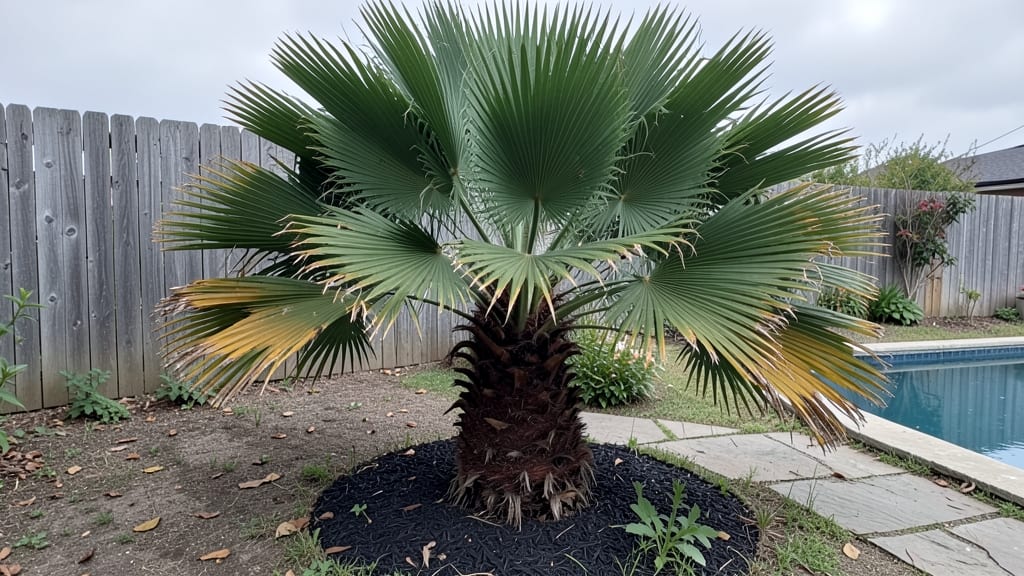
The pool palm trees I’ve planted create a lush, breezy privacy screen that turns your backyard into a swaying, sun-drenched retreat—no dense hedge required. ✨ The key is choosing fast-growing, salt-tolerant varieties that thrive in sandy soil and occasional splashes.
Start with three to five medium-sized palms spaced 8 to 12 feet apart for immediate impact, using dwarf varieties like pygmy date palms or Mediterranean dwarf palms if space is tight.
These grow 3 to 5 feet tall annually, so you’ll see that lush screen in just a few seasons. Pair them with salt-tolerant ground covers like mondograss or beach sunflower to soften the edges.
By year three, your pool area will feel like a secluded escape—tall enough to screen views, broad enough to cast shade, and low-maintenance enough to enjoy without constant pruning.
The rustling leaves even drown out neighborhood noise, making it the ultimate relaxation spot. Let’s pick the perfect palms for your climate and style.
Pro tip: Mulch heavily to retain moisture and water deeply but infrequently—these palms hate soggy roots. For modern aesthetics, stick to sleek Areca palms; for full tropical vibes, go for palmetto or coconut palms. Either way, your privacy screen will outshine the neighbors’ fences.
📚 In This Guide
- What you need
- Instructions
- Tips and common mistakes
- Wrapping up and next steps
What you need
- ● Palm tree saplings: 5–10 Sabal palmetto or Windmill palm (native, drought-tolerant, and fast-growing). Choose 1–2 ft tall for quicker results.
- ● High-quality potting mix: 5–10 bags (1 cubic foot each) of well-draining, organic soil blend (e.g., Miracle-Gro Premium).
- ● Organic compost: 2–3 bags (for nutrient boost).
- ● Slow-release fertilizer: 1–2 bags of palm-specific fertilizer (e.g., Espoma Palm Tone).
- ● Mulch: 1–2 bags of pine bark or wood chips (to retain moisture).
- ○ Drip irrigation kit (optional but recommended): 50–100 ft tubing + emitters for consistent watering.
- ● Shovel or spade: For digging planting holes (12–18 inches deep).
- ● Garden trowel: For precision planting.
- ● Wheelbarrow: To mix soil and compost.
- ● Measuring tape: For spacing plants 6–10 ft apart.
- ● Pruning shears: To trim dead fronds or shape growth.
- ● Gloves & knee pads: For comfort during planting.
- ○ Stakes & twine (optional): To support young palms in windy areas.
- ● Sunlight: Full sun (6+ hours daily) for optimal growth.
- ● Well-draining soil: Avoid soggy spots—palms hate "wet feet."
- ● Water source: Hose or irrigation setup nearby.
- ● Local climate check: Ensure your zone (USDA 8–11) suits palm trees.
- ● Permit review (if applicable): Some HOAs or cities require approval for large plants.
Step-by-step instructions for planting pool palm trees
Here's how to establish a lush, tropical privacy screen using palm trees—fast-growing and perfect for poolside elegance.
🌱 Step 1: Choose the Right Palm Varieties for Fast Growth
For a 3-year privacy screen, select Mexican Fan Palms (Washingtonia robusta) or Windmill Palms (Trachycarpus fortunei)—both grow 6-10 feet per year in ideal conditions. Avoid slow growers like Kentia Palms (Howea forsteriana), which take decades to mature. I recommend 4 young palms (3-5 feet tall) spaced 8-10 feet apart for full coverage in three years.
Check root ball size before buying—1-gallon pots are ideal for transplanting. Larger pots mean more established roots, but they’re harder to handle. If your soil is heavy clay, amend with 3 cubic yards of compost per planting site to improve drainage and nutrient uptake.
🪴 Step 2: Dig Holes and Prepare the Planting Site
Dig holes twice as wide as the root ball but only as deep—palm roots spread horizontally, not downward. For 1-gallon pots, that’s 12-14 inches wide and 12 inches deep. Remove any rocks or debris, as palms hate restricted roots. I like to loosen the soil another 6 inches beyond the hole with a shovel to encourage root spread.
If planting in full sun (6+ hours daily), mix 1 cup of slow-release palm fertilizer (13-4-5 ratio) into the bottom of each hole. For shadier spots, skip the fertilizer—palms grow slower and need less food. Water the hole thoroughly before planting to settle the soil.
☀️ Step 3: Plant and Stake for Stability
Place the palm in the hole so the top of the root ball sits level with the ground—burying the trunk too deep causes rot. Backfill with native soil, pressing gently to remove air pockets. I use my hands to firm the soil in layers, ensuring the palm doesn’t wobble. For the first year, stake each palm with 2 wooden stakes tied loosely (not too tight) to prevent wind damage.
Water deeply immediately after planting—5 gallons per palm—to help roots settle. Mulch the base with 2 inches of wood chips, keeping it 6 inches away from the trunk to prevent rot. Avoid organic mulches like bark if your climate has freeze threats, as they retain too much moisture.
💧 Step 4: Water and Fertilize for Rapid Growth
Palms need deep, infrequent watering—once a week for the first month, then every 10-14 days once established. You’ll know they’re getting enough when the top 2 inches of soil feel dry. Overwatering is the #1 killer of young palms, so always check before watering. If the trunk feels soft or the leaves yellow, you’re overdoing it.
Fertilize every 3 months with palm-specific fertilizer (high in potassium for root strength). In spring and summer, apply ½ cup per palm; in fall and winter, cut back to ¼ cup. I’ve found that liquid seaweed extract (1 tablespoon per gallon of water) boosts growth without burning roots—use it monthly during active growth.
✂️ Step 5: Prune and Protect for Long-Term Health
Remove dead or yellowing fronds at the base with clean, sharp pruners—never pull them off. I prune only when 30% of the fronds are brown, as healthy fronds provide shade and protect the trunk. Disinfect your tools with rubbing alcohol between cuts to prevent disease spread. Avoid pruning in winter, as new growth is vulnerable to cold.
Watch for palm weevil signs (sawdust-like frass at the base or oozing sap). If you spot them, treat immediately with systemic insecticide. In freeze-prone areas, wrap young trunks with burlap during cold snaps—palms can survive 28°F but may lose leaves if exposed longer. With proper care, your 4 palms will form a dense, tropical screen in just 3 years.
Tips & tricks for perfect pool palm tree planting
These insider secrets will help your tropical privacy screen thrive faster and avoid the most common pitfalls that derail even well-intentioned plantings.
Root Ball Prep: When removing your Mexican Fan Palms or Windmill Palms from their 1-gallon pots, gently loosen the root ball with your fingers before planting. This encourages roots to spread into the surrounding soil immediately rather than circling in the hole. I like to soak the root ball in water for 10 minutes before planting—this helps hydrate the roots and reduces transplant shock.
Soil Amendments: If your soil test reveals heavy clay, don't just add compost—create a proper planting mound. Mix the 3 cubic yards of compost with equal parts native soil and coarse sand to improve drainage. For each hole, create a 6-inch layer of this amended soil at the bottom before placing the palm. This prevents waterlogging that can rot palm roots.
Staking Technique: The 2 wooden stakes you'll use for the first year should be positioned diagonally from each other, not parallel. Tie them loosely with soft plant ties—tight stakes can girdle the trunk as it grows. I've seen palms with permanent staking marks from ties that were too tight, so check them monthly and adjust as the trunk expands.
Freeze Protection: When wrapping young trunks with burlap during freeze threats, don't wrap tightly—leave room for the trunk to expand slightly. The goal is to create an insulating air pocket, not a suffocating blanket. In areas where temperatures drop below 28°F regularly, consider adding a layer of frost cloth over the burlap for extra protection during extended cold snaps.
Pro Tips for Pool Palm Trees
- These insider secrets will help your tropical privacy screen thrive faster and avoid the most common pitfalls that derail even well-intentioned plantings.
- Root Ball Prep: When removing your Mexican Fan Palms or Windmill Palms from their 1-gallon pots, gently loosen the root ball with your fingers before planting.
- Soil Amendments: If your soil test reveals heavy clay, don't just add compost—create a proper planting mound.
Frequently asked questions
Got questions about creating your own pool palm tree privacy screen? Here are some of the most common ones—and their answers!
How fast do pool palm trees grow?
Pool palm trees (like Chamaedorea elegans or Dypsis lutescens) grow at a moderate pace—about 1 to 2 feet per year under ideal conditions. With proper care, you can achieve a lush, 6- to 8-foot privacy screen in 3 to 5 years. Patience pays off for that tropical vibe!
Are pool palm trees cold-hardy?
Most pool palm varieties are tender plants and thrive in USDA zones 10-12. If you live in colder climates, keep them in containers and move them indoors (or to a garage) during winter. Some hardier options, like Trachycarpus fortunei, tolerate brief dips to 15°F but still need protection.
How much water do pool palm trees need?
These tropical beauties love consistent moisture but hate soggy roots. Water 1-2 times per week (daily in extreme heat) and ensure well-draining soil. Mulch around the base to retain humidity, and avoid letting them dry out completely. Overwatering is worse than underwatering—so check soil moisture first!
Can I plant pool palm trees in full sun?
While they enjoy bright light, most pool palm trees prefer partial shade (especially in hot afternoons). Full sun can scorch their fronds, so aim for morning sun + afternoon shade. If your pool area gets intense heat, consider filtering shade cloth or planting near a patio awning.
What’s the best alternative if palm trees aren’t an option?
If palms aren’t practical, try these fast-growing, privacy-friendly alternatives:
- Bamboo (clumping varieties for containment)
- Lombardy poplar (tall, narrow, and quick-growing)
- Arborvitae (evergreen, dense, and low-maintenance)
- Oleander (tropical look, drought-tolerant, but toxic to pets)
Wrapping up and next steps
Transforming your backyard into a lush, tropical escape with pool palm trees isn’t just a dream—it’s a rewarding project that pays off in privacy, beauty, and curb appeal! 🌴 With the right species, soil prep, and patience, you’ll enjoy a stunning oasis in just three years.
Whether you’re a DIY enthusiast or a plant lover, this guide gives you the confidence (and tools) to succeed.
Ready to dive in? Start by choosing your palm—like the fast-growing Mexican Fan Palm or the elegant California Fan Palm—then gather your supplies and get planting! Your future poolside paradise awaits. 🌿