
Planting
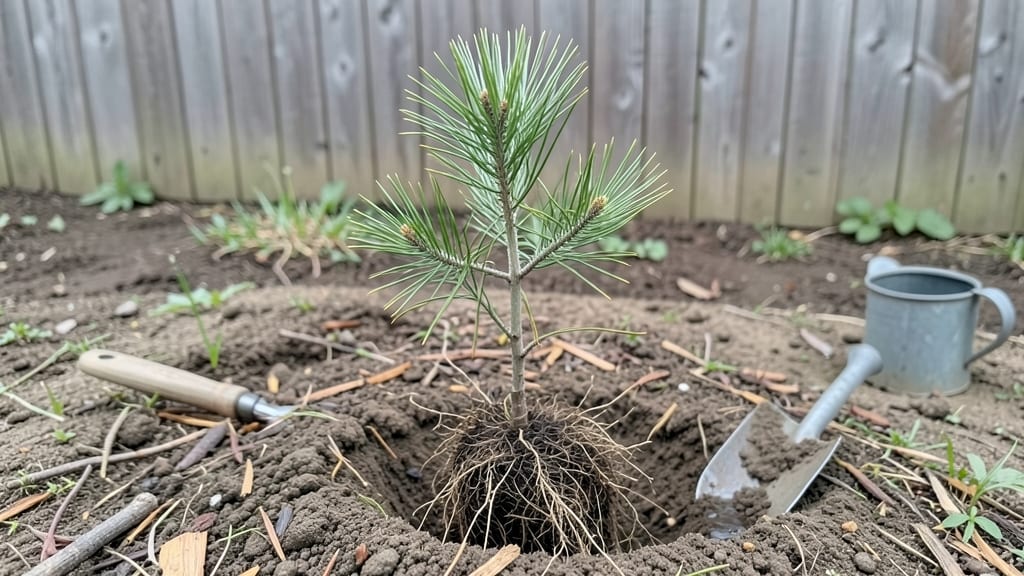
Even the hardiest pines can suffer from devastating pine tree transplant shock, but these root revival tricks saved mine from losing half its needles in weeks—here’s how. work. The key isn’t just digging and hoping; it’s about timing, water, and giving the roots a fighting chance.
Pine tree transplant shock hits hardest when roots dry out or get damaged during moving. You’ll spot it in wilting branches, yellowing needles, or stunted growth—classic signs the tree’s struggling to recover. But here’s the good news: with the right aftercare, most pines bounce back stronger than ever.
The secret? Keeping the soil moist but not soggy, shielding roots from wind, and avoiding pruning until new growth appears.
Start with a deep watering right after transplanting, then mulch heavily to lock in moisture. Prune only dead branches in the first year—never healthy ones—and watch for new growth by late spring.
Within a season, your pine will look like it never moved. The payoff? A fuller, more resilient tree that outlasts the shock.
This works for container-grown pines, balled-and-burlapped trees, or even those dug from the wild. Just adjust watering based on your climate—drier areas need more frequent checks. Let’s turn that stressed-out pine into a thriving centerpiece.
Root Trauma Explained
When you uproot a pine tree—even with the gentlest of hands—its roots take a beating. Unlike annuals or shallow-rooted plants, pines have deep, fibrous root systems that anchor them securely to the soil.
These roots are delicate, with tiny root hairs and mycorrhizal fungi (beneficial microbes) that absorb water and nutrients. When disturbed, these structures get damaged, leading to a loss of function.
Think of it like cutting off a network of veins and capillaries—suddenly, the tree can’t transport essential resources efficiently, triggering transplant shock.
Pine roots are not built for rough handling. Even if you dig carefully, some roots will break or tear. Here’s what happens:
- Severed roots: Large roots snapped during extraction can’t regenerate, leaving gaps in the tree’s support system. Smaller roots may also shear off, reducing the tree’s ability to absorb water.
- Root hair loss: These microscopic structures (critical for nutrient uptake) are easily destroyed during transplanting. Without them, the tree struggles to replenish lost moisture and minerals.
- Mycorrhizal disruption: These fungi form a symbiotic relationship with pine roots, boosting nutrient absorption. Uprooting severs this bond, forcing the tree to rely solely on its own (less efficient) root system.
Actionable fix: Use a sharp spade and dig in a wide, shallow trench around the root ball to minimize damage. Avoid circling the trunk—this can girdle roots. If roots break, trim them with sterilized pruners to clean edges (but don’t over-prune).
Pines are adapted to their native climate—whether it’s the cool, damp forests of the Pacific Northwest or the hot, dry soils of the Southwest. When transplanted, they’re suddenly exposed to extreme temperature swings or drought-like conditions if not acclimated properly.
| Stress Type | What Happens | Signs of Shock |
|---|---|---|
| Heat Stress | Rapid transpiration (water loss) outpaces root recovery, causing wilting or needle scorch. | Brown, crispy needle tips; soil pulling away from roots. |
| Cold Shock | Frozen roots or soil can’t absorb water, leading to desiccation (drying out). | Needles turning grayish-green; brittle, snapping branches. |
| Drought Stress | Transplanted roots take 2–6 weeks to re-establish. If soil dries out, the tree can’t recover. | Needles curling inward; soil shrinking away from root ball. |
Actionable fix:
- Water deeply before transplanting to hydrate roots.
- Use mulch (3–4 inches of organic material) to retain moisture and regulate soil temp.
- Avoid transplanting in peak heat (midday) or freezing temps (below 40°F). Early morning or overcast days are ideal.
Pines are particular about their soil. If you move a tree from acidic, well-draining forest soil to alkaline, compacted clay, its roots will suffocate or starve. Here’s why:
- pH shock: Most pines thrive in acidic soil (pH 4.5–6.0). Alkaline soil (pH 7.0+) locks out essential nutrients like iron, manganese, and zinc, causing chlorosis (yellowing needles).
- Compacted soil: Heavy or clay soils restrict root growth, preventing new roots from branching out to seek water.
- Lack of organic matter: Pines rely on decomposing needles and fungi for nutrients. Poor soil lacks these microbial networks.
Actionable fix:
- Test soil pH and amend with sulfur (to lower pH) or peat moss if needed.
- Mix in compost or pine bark fines (1/3 organic matter) into the planting hole to mimic forest conditions.
- Avoid fertilizing immediately after transplanting—wait 6–12 weeks to let roots recover.
Timing is everything. Pines have active growth periods when they’re most vulnerable to stress:
- Late spring/early summer: Trees are pushing new growth but roots haven’t fully recovered from winter dormancy.
- Dormant season (fall/winter): Roots are less active, but extreme cold or frost can still damage them.
- Flowering/fruiting: Energy is diverted to cones or seeds, leaving roots starved for resources.
Actionable fix: Transplant in early fall (4–6 weeks before first frost) or late winter/early spring (just as buds swell). Avoid peak growing seasons.
Reviving Your Pine Tree After Transplant Stress
When your pine tree looks wilted or stressed after moving, don’t panic—there are practical ways to nurse it back to health. The key is addressing the root causes with targeted solutions.
Below, we break down how to fix transplant shock based on the most common triggers, along with prevention tips to keep your pine thriving long-term.
If your pine’s roots were disturbed during transplanting, they need time and care to recover.
🔥 Step 1: Water Deeply but Gently 💧
- Why? Overwatering can suffocate damaged roots, while underwatering stresses the tree further.
- How?
- Water
- Use a soaker hose or drip irrigation to avoid compacting soil around the roots.
- Avoid heavy watering if the soil is already soggy—pine roots need aeration, not waterlogging.
🍳 Step 2: Apply a Root Stimulator 🌿
- Why? Root growth hormones (like mycorrhizal fungi or seaweed extract) speed up recovery.
- How?
- Mix a
- Spray a liquid root stimulator (e.g., Fish Emulsion 5-1-1) around the base once a month for 3 months.
⏰ Step 3: Mulch for Moisture & Protection 🍂
- Why? Mulch retains moisture, regulates soil temp, and prevents weed competition.
- How?
- Spread
- Avoid piling mulch against the base—this can cause rot.
💡 Prevention Tip:
- Dig a wide, shallow hole (twice as wide as the root ball) to minimize root trauma.
- Loosen roots gently before planting if they’re tightly bound (but don’t tear them).
Pines moved from shade to full sun (or vice versa) can suffer from transplant shock due to sudden exposure.
👨🍳 Step 1: Gradually Adjust Light Exposure 🌞
- Why? Sudden sunburn or wind damage weakens the tree.
- How?
- If moving from shade to sun:
- If moving from sun to shade: Acclimate slowly by increasing shade over 1–2 weeks.
🔪 Step 2: Windbreak for Young Pines 🌬️
- Why? Strong winds dry out soil and tear new needles.
- How?
- Install a
- Prune damaged branches (sterilize shears with rubbing alcohol) to reduce stress.
🌡️ Prevention Tip:
- Transplant in early spring or fall when temps are mild (avoid extreme heat or cold).
- Choose a location with similar light/wind conditions to the original site.
Pines depleted of nutrients after transplanting need balanced support—but too much fertilizer can burn roots.
📊 Step 1: Use Slow-Release Fertilizer 🌱
- Why? Fast-acting fertilizers can shock weak roots.
- How?
- Apply a
- Avoid high-nitrogen fertilizers (like lawn food)—they promote foliage over root growth.
💪 Step 2: Boost Soil with Organic Matter 🥗
- Why? Healthy soil = stronger roots.
- How?
- Mix
- Top-dress with pine needle mulch (acid-loving pines thrive in slightly acidic soil, pH 4.5–6.0).
✨ Prevention Tip:
- Test soil pH before transplanting—amend with sulfur (to lower pH) or lime (to raise pH) if needed.
- Feed lightly—better to under-fertilize than overdo it post-transplant.
Stressed pines attract bark beetles, spider mites, or fungal infections—early action prevents long-term damage.
🔥 Step 1: Inspect for Signs of Stress 🐜
- Watch for:
- Sawdust-like frass (bark beetles).
- Sticky sap or webbing (aphids or scale).
🌿 Step 2: Treat Naturally First 🍋
- For pests:
- Spray
- Introduce beneficial nematodes (for beetles) or ladybugs (for mites).
- Apply
🎯 Prevention Tip:
- Quarantine new pines for 2 weeks before planting near healthy trees.
- Keep the area weed-free—weeds harbor pests and diseases.
| Task | When | How Often |
|---|---|---|
| Deep watering | First 3 months | 1–2x per week |
| Root stimulator spray | Early spring | Monthly (3x) |
| Mulch check | Spring & fall | Refresh as needed |
| Fertilizer | Early spring | Once per year |
| Pest inspection | Weekly (first month) | Then monthly |
Remember: Pines are tough—they just need patience and the right care. With these fixes, your tree should bounce back within 3–6 months. 🌲✨
(Need more help? Drop a comment below—we’re happy to troubleshoot!)
Frequently asked questions about pine tree recovery after moving
How long does it take for a pine tree to recover from transplant shock?
Most pines show noticeable improvement within 3-6 months with proper care, though full recovery can take up to 1-2 years for mature specimens. The first 3 months are critical—focus on consistent watering and mulching to help roots re-establish.
What are the first signs my pine tree is suffering from transplant stress?
Watch for needle browning, wilting branches, or stunted growth—these are classic shock symptoms. Other red flags include soil pulling away from the root ball or excessive sap oozing from the trunk.
Can I prune my pine tree right after transplanting?
No—wait until spring when new growth appears. Only remove dead or damaged branches immediately after transplanting. Pruning healthy branches stresses the tree further during recovery.
How often should I water a newly transplanted pine?
Water deeply 1-2 times per week for the first 3 months, then taper to once weekly once roots establish. Use a soaker hose to avoid disturbing the soil—pines hate soggy roots but also can't handle drought.
Is it too late to save my pine if it's already lost half its needles?
Not necessarily! With immediate care—deep watering, mulching, and avoiding fertilizer—many pines recover even after severe needle loss. The key is acting fast to prevent root desiccation and supporting new growth.