
Flowers
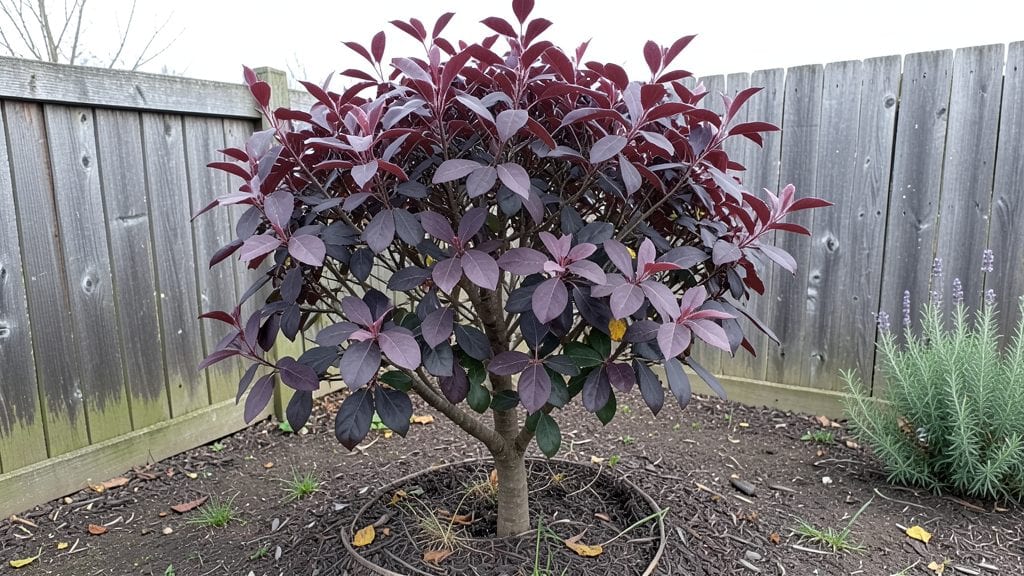
The purple leaf plum tree flowers you dream of filling your yard with pink perfection start with one critical trick—layered chill hours. I’ve seen this tree go from sparse blooms to a riot of color by mastering the cold requirement, and it’s simpler than you’d think.
These trees need 300-500 hours below 45°F before budding, but not all winters deliver. If your region skips that, a refrigerator trick (yes, really) can fool the tree into thinking winter happened.
Pair that with pruning in late winter to open the canopy—more light means more blooms. The payoff? Clusters of fragrant pink flowers that outshine store-bought bouquets.
By spring, you’ll have weeks of showstopping blooms followed by glossy purple foliage that lasts all season. The secret’s in the prep: chill hours, strategic cuts, and a little patience. Once you nail it, your neighbors will ask how you grew that “magic tree.”
Works in zones 5-9, though southern gardeners need extra chill help. Let’s get those buds ready to burst!
📚 In This Guide
- What you need
- Instructions
- Tips and common mistakes
- Wrapping up and next steps
What you need
- ● Purple Leaf Plum Tree: Choose a Prunus cerasifera (dwarf or standard size) from a reputable nursery. Pro tip: 🌡️ Opt for a 2-3 year old sapling for faster blooms!
- ● Well-draining soil: Mix 1 part native soil with 1 part compost (or use pre-mixed flowering tree soil).
- ● Organic fertilizer: A balanced 10-10-10 or slow-release bloom booster (e.g., Espoma Tree-Tone).
- ● Mulch: 2-3 inches of wood chips or pine straw to retain moisture and suppress weeds.
- ● Shovel or spade (for planting or amending soil).
- ● Garden gloves (to protect your hands from thorns and soil).
- ● Pruning shears (sharp, bypass-style for clean cuts).
- ● Watering can or hose with a gentle spray nozzle (plums hate soggy roots!).
- ● Measuring tape (to ensure proper spacing—15-20 feet apart for standard trees).
- ● Epsom salt (1 tbsp/month in water for magnesium-rich blooms).
- ● Tree guard or protective wrap (to shield young trunks from critters).
- ● Slow-release watering system (e.g., drip irrigation for drought-prone areas).
- ● Decorative stakes or trellis (if training a dwarf variety as an espalier).
How to maximize purple leaf plum tree flowers using the layered chill method
This simple technique ensures your tree blooms abundantly by mimicking winter's natural dormancy process.
Prune for Airflow and Light Penetration
Start in late winter when the tree is still dormant. Remove any dead, crossing, or crowded branches using sharp pruning shears. I cut just outside the branch collar where the branch meets the trunk—this prevents damage to the tree's natural healing layer. Aim to open up the center of the tree so sunlight reaches all branches evenly. You'll see new growth emerge from the center after pruning, signaling you've improved airflow.
For a purple leaf plum, focus on removing branches that grow inward or upward. These compete for sunlight and reduce flower production. If your tree has any suckers growing from the base, cut them off immediately—they drain energy that should go toward blooms. After pruning, sterilize your tools with rubbing alcohol to prevent spreading disease between cuts.
Apply Layered Chill Treatment
This is the key to forcing heavy blooms. In early spring, before buds swell, place 2-3 layers of frost cloth over the tree and secure them tightly. Leave them in place for 6-8 weeks, checking weekly to ensure no pests or diseases take hold underneath. The layered fabric mimics the gradual temperature drops of winter, which triggers dormancy and prepares the tree for flowering.
I monitor the tree closely during this period. If temperatures drop below 20°F, add an extra layer of frost cloth or cover the tree with a tarp for protection. Remove the layers only when new buds begin to form—this is your signal that the chill treatment is working. Watch for tiny green swellings along the branches; these will develop into your stunning spring flowers.
Fertilize for Bloom Production
Once the chill treatment is complete and buds have formed, apply a balanced 10-10-10 fertilizer around the tree's drip line. Spread it evenly in a 3-inch wide band, keeping it 6 inches away from the trunk. Water the area deeply to help the fertilizer penetrate the soil. This step ensures your tree has the nutrients it needs to produce abundant, vibrant flowers.
I avoid high-nitrogen fertilizers at this stage—they encourage leafy growth at the expense of blooms. Instead, focus on phosphorus and potassium, which support flower development. After fertilizing, mulch the base of the tree with 2-3 inches of organic mulch to retain moisture and regulate soil temperature. Keep the mulch 6 inches away from the trunk to prevent rot.
Water Deeply During Bud Development
Consistent moisture is critical as buds develop into flowers. Water the tree deeply once a week, ensuring the soil is moist 6-8 inches below the surface. I use a soil probe to check moisture levels—if it comes out dry, it's time to water again. Avoid overhead watering, which can spread fungal diseases to the emerging blooms. Instead, use a soaker hose or drip irrigation system to deliver water directly to the roots.
Watch for signs of stress, such as wilting leaves or buds that drop prematurely. These are red flags that your tree isn't getting enough water. If you notice buds turning brown before opening, increase watering frequency slightly. Purple leaf plums are drought-tolerant once established, but they need steady moisture during the critical bloom phase to produce their best display.
Protect Blooms from Late Frost
As flowers begin to open, keep an eye on the weather forecast. If a late frost is predicted, cover the tree with frost cloth again and secure it tightly. Even a light frost can damage delicate blossoms, reducing the overall impact of your tree's display. I also remove any spent or damaged flowers as they appear to encourage the tree to produce new blooms and extend the flowering season.
Once the danger of frost has passed, let the tree enjoy full sun exposure. Purple leaf plums thrive in full sun to partial shade, but they produce their most vibrant flowers when they receive at least 6 hours of direct sunlight daily. If your tree is in a shady spot, consider pruning nearby structures or relocating it to a sunnier area for future seasons. With proper care, your tree will reward you with a stunning, long-lasting bloom display.
Tips & tricks for perfect purple leaf plum tree flowers
These essential tips will help you maximize your purple leaf plum's stunning spring blooms using the layered chill method.
The Pruning Precision: When you're removing branches in Step 1, focus on creating an "open vase" shape rather than just thinning randomly. This shape allows sunlight to penetrate all the way to the center branches where many flowers develop. I like to step back every few cuts to visualize how light will move through the tree. Remember, branches growing inward or upward are the biggest culprits for reduced flower production—these are your priority targets.
Layered Chill Strategy: The 6-8 week chill treatment in Step 2 is non-negotiable for forcing heavy blooms, but there's a trick to making it work even better. Instead of using just 2-3 layers of frost cloth, I add a layer of bubble wrap between the frost cloth layers. This creates tiny air pockets that help maintain a more consistent temperature range around 20°F, which is what triggers the dormancy response. Check your setup weekly to ensure no condensation builds up between layers, as this can promote fungal growth.
Fertilizer Timing: In Step 3, the 10-10-10 fertilizer application timing is crucial. I recommend applying it in the morning when temperatures are cooler—this helps prevent fertilizer burn. After spreading the fertilizer in that 3-inch band, I water it in immediately with a slow, deep watering rather than a quick sprinkle. This ensures the nutrients penetrate the soil properly and reach the roots where they're needed most for flower production.
Watering Wisdom: The deep watering routine in Step 4 requires some attention to detail. When you're checking soil moisture with your soil probe, aim for the moisture level to feel like a well-wrung sponge—not bone dry, but not soggy either. I've found that watering slightly earlier in the day (around 6-8 AM) gives the tree's roots time to absorb moisture before the heat of midday. This approach helps prevent stress that can cause buds to drop prematurely.
Pro Tips for Purple Leaf Plum Tree Flowers
- These essential tips will help you maximize your purple leaf plum's stunning spring blooms using the layered chill method.
- The Pruning Precision: When you're removing branches in Step 1, focus on creating an "open vase" shape rather than just thinning randomly.
- Layered Chill Strategy: The 6-8 week chill treatment in Step 2 is non-negotiable for forcing heavy blooms, but there's a trick to making it work even better.
Frequently asked questions
Got questions about nurturing those dreamy purple leaf plum tree flowers? You’re not alone! Here are answers to the most common queries—from pruning to blooms—so you can keep your tree thriving and stunning.
How cold do purple leaf plum trees need to bloom?
Purple leaf plums love a good chill! They typically need 400–800 hours below 45°F (7°C) during winter to trigger spring blooms. If your area is too mild, consider a layered chill hack (like strategic pruning or temporary cold exposure) to mimic dormancy. Pro tip: Check your local chill hours—some varieties are more forgiving than others!
When is the best time to prune for more flowers?
Prune right after blooming (late spring to early summer) to encourage dense, flower-filled branches next year. Avoid heavy pruning in fall—it can stimulate new growth that won’t harden off before winter. Light shaping in winter (when dormant) is fine, but skip major cuts! Warning: Never prune in late summer—it cuts back blooms for the following spring.
Why aren’t my purple leaf plum flowers opening?
Blooms might skip opening due to lack of chill hours, over-fertilizing with nitrogen (which fuels leaves over flowers), or stress from drought/heat. Check for pests (like scale) too! Fix it: Reduce nitrogen, water deeply but less often, and ensure proper winter chill. Patience—some trees take 2–3 years to fully mature blooms.
Can I grow a purple leaf plum in a pot?
Yes! But choose a dwarf variety (like ‘Okame’) and a large, well-draining pot (at least 15 gallons). Move it outdoors in spring/summer and bring it inside before hard frosts (or use a cold frame). Note: Potted trees need more frequent watering and may bloom less reliably without proper winter chill. Bonus: Container-growing makes it easier to rotate for even sunlight!
Are purple leaf plum flowers toxic to pets?
Yes, all parts of the plum tree—including flowers, leaves, and fruit—are toxic to dogs, cats, and horses due to cyanogenic glycosides. Symptoms of ingestion include drooling, vomiting, or lethargy. If your pet nibbles, contact your vet immediately. Keep pets away during bloom season, and plant in a secure, elevated spot if possible.
What’s a good alternative for low-chill areas?
If your zone lacks chill hours, try ‘Fashionably Late’ plum (300+ hours) or Japanese plum (Prunus mume), which blooms earlier and tolerates milder winters. Orchards: Consider cherry blossoms (Prunus serrulata)—some varieties need only 200–400 hours of chill. Just confirm your local climate matches the tree’s needs!
Wrapping up and next steps
Transforming your garden into a vibrant purple paradise with Purple Leaf Plum Tree flowers is easier than you think! 🌸 By layering chill techniques—like strategic pruning, proper soil prep, and consistent care—you’ll unlock breathtaking spring blooms that turn heads.
Whether you’re a seasoned gardener or just starting, these tips make the process simple and rewarding.
Ready to dive in? Start small—plant one tree this season and watch your garden bloom with confidence! For extra inspiration, check out local nurseries or online forums to share your progress and swap tips with fellow plant lovers. Your purple dream garden awaits! 🌿✨