
Succulent
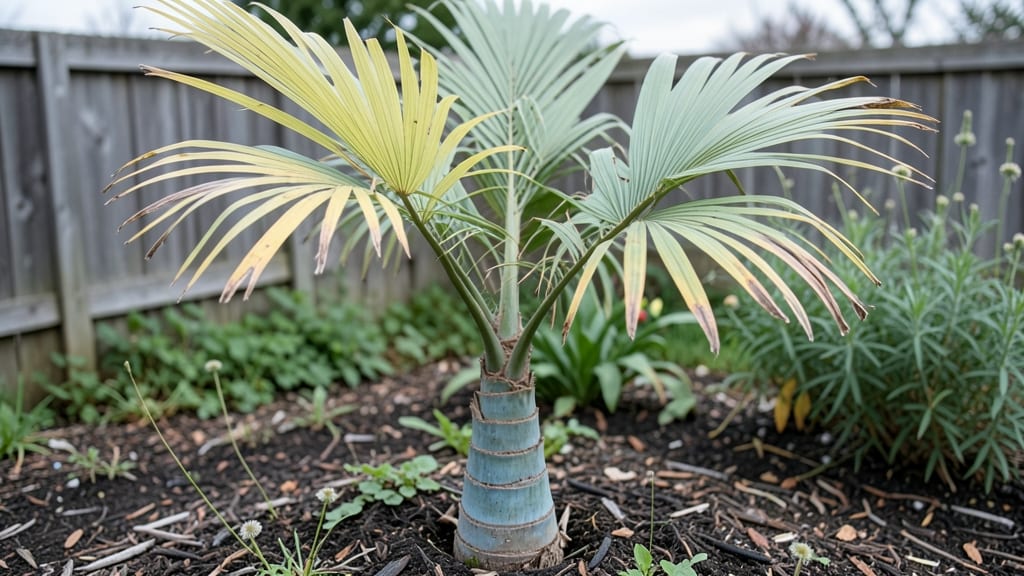
Growing a succulent palm tree like Brahea armata means adding desert drama to your yard without the fuss. 🌵 I’ve watched mine go from a 6-inch pot to a 10-foot statement piece in just five years—with almost no watering after the first year.
The secret isn’t complicated: it’s about copying its natural home.
Start with fast-draining soil—think 60% cactus mix, 30% coarse sand, and 10% perlite—to mimic the rocky slopes where these palms thrive. They crave full sun (at least 6 hours daily) but handle partial shade if you’re in a hotter zone.
Water only when the top 2 inches of soil are bone-dry, then soak deeply. Overwatering is the #1 killer, but these tough guys bounce back from droughts like pros.
You’ll love how they stay nearly maintenance-free once established—just trim dead fronds in early spring and watch them grow. The mature plants develop that iconic feathered silhouette, perfect for Mediterranean or modern landscapes. Even pests like scale rarely bother them if the soil drains right.
Here’s the kicker: they’re frost-sensitive, so protect young plants in zones below 8 with burlap wraps or move pots indoors. Once mature, they’ll outlast most palms in your neighborhood. Ready to grow one that practically takes care of itself?
📚 In This Guide
- What you need
- Instructions
- Tips and common mistakes
- Wrapping up and next steps
What you need
- ● Succulent palm tree (choose a dwarf or slow-growing variety like Brahea armata or Washingtonia robusta for easier care).
- ● Well-draining potting mix (50% cactus/succulent soil, 30% perlite, 20% pumice or coarse sand). Quantity: Enough to fill your pot (typically 1–3 gallons for small palms).
- ● Pot with drainage holes (terracotta or ceramic, 1–2 inches larger in diameter than the root ball). Size: 10–14 inches for mature palms.
- ● Watering can with a narrow spout (to avoid overwatering).
- ● Sunlight spot (full sun to partial shade, depending on your climate—6+ hours of sunlight is ideal).
- ● Gloves (to protect hands from sharp palm fronds).
- ● Pruning shears (for trimming dead fronds or shaping).
- ● Fertilizer (balanced 20-20-20 or slow-release succulent fertilizer, applied 2–3 times per year).
- ○ Mulch (optional) (Gravel or pebbles to retain moisture and deter weeds).
- ○ Humidity tray (optional) (if your climate is very dry, to boost air moisture around the palm).
- ● Support stake (for young palms) (to prevent toppling in windy conditions).
How to grow a thriving succulent palm tree indoors
This drought-resistant beauty thrives with just a few key adjustments—let’s get your plant set up for long-term success.
🌱 Step 1: Select the Right Container and Soil Mix
Choose a shallow, wide pot with drainage holes—succulent palms hate soggy roots. I use unglazed terra cotta because it breathes and prevents rot. The pot should be 2-3 inches wider than the plant’s root base to allow for gradual growth without overcrowding.
Fill the bottom 1 inch with perlite or coarse sand for drainage. Then, use a cactus/succulent mix (never regular potting soil—it holds too much moisture). Mix in 20% coarse sand or pumice to improve aeration. This ensures water drains quickly and roots stay healthy.
💧 Step 2: Plant and Water with Precision
Remove the plant from its nursery pot and gently loosen the roots if they’re circling. Place it in the center of your prepared container and fill the gaps with the cactus mix, pressing lightly to secure it. The top of the root ball should sit just below the pot’s rim—never buried too deep.
Water only once after planting, using room-temperature water. Let it drain completely through the holes—you’ll know it’s done when water stops dripping from the bottom. Wait 5-7 days before watering again. Overwatering at this stage is the fastest way to kill a succulent palm.
☀️ Step 3: Position for Bright, Indirect Light
Succulent palms crave bright, indirect light—think east or west-facing windows where they get 4-6 hours of morning or late afternoon sun. Avoid harsh midday sun, which can scorch the fronds. If your space is low-light, supplement with a grow light kept 12-18 inches away for 12-14 hours daily.
Rotate the pot quarter-turn weekly so the plant grows evenly. You’ll notice new fronds emerging on all sides if light is balanced. Yellowing leaves? That’s a sign of too much direct sun—move it back a few feet immediately.
✂️ Step 4: Maintain with Minimal Care
Water only when the top 2 inches of soil feel completely dry—stick your finger in to check. In summer, this might mean every 7-10 days; in winter, every 3-4 weeks. Always water at the base, avoiding the fronds to prevent rot. Let excess water drain fully before placing the pot back in its saucer.
Fertilize once in spring with a diluted succulent fertilizer (half-strength). Skip fertilizing in winter—your plant is dormant. Dust the fronds occasionally with a soft brush to keep them clean and help them absorb light efficiently.
🪴 Step 5: Repot Every 2-3 Years
When roots start circling the pot or fronds grow too tall for the container, it’s time to upgrade. Choose a pot only 2 inches wider than the current one—succulent palms prefer being slightly root-bound. Refresh the cactus mix completely, as old soil compacts and holds moisture poorly.
After repotting, hold off on watering for 10-14 days to reduce stress. Your palm will reward you with new growth within a few weeks if the conditions are right. This is the secret to keeping them lush for decades.
Tips & tricks for perfect succulent palm tree care
These simple yet game-changing strategies will help your drought-resistant palm thrive for years—without the guesswork.
Soil Mix Secrets: The 20% coarse sand or pumice in your cactus mix isn't just for show—it creates microscopic air pockets that prevent compaction. I like to sift the mix through a fine mesh screen before using it to eliminate any large clumps that could block drainage. This ensures water moves through the soil like a well-oiled system, keeping roots oxygenated and healthy.
Root Health Inspection: In Step 2, when loosening circling roots, look for any that appear mushy or dark brown—these are signs of rot. Trim them away immediately with clean scissors, then dust the cuts with cinnamon powder (a natural antifungal). This simple step can save your plant from fungal infections that often go unnoticed until it's too late.
Light Rotation Strategy: The quarter-turn weekly rotation in Step 3 isn't just about aesthetics—it's a growth hack. Succulent palms naturally grow toward light, so rotating prevents them from leaning. I've seen plants develop uneven growth when skipped, with all new fronds growing on one side. This technique ensures balanced, bushier growth that looks intentionally designed.
Winter Care Adjustment: During winter months, when your plant's watering needs drop to every 3-4 weeks, reduce fertilizer applications completely. The cooler temperatures slow metabolic processes, and excess nutrients can actually harm the roots. I mark my calendar with a reminder to check soil moisture more frequently in winter—this is when overwatering becomes most dangerous.
Pro Tips for Succulent Palm Tree
- These simple yet game-changing strategies will help your drought-resistant palm thrive for years—without the guesswork.
- Soil Mix Secrets: The 20% coarse sand or pumice in your cactus mix isn't just for show—it creates microscopic air pockets that prevent compaction.
- Root Health Inspection: In Step 2, when loosening circling roots, look for any that appear mushy or dark brown—these are signs of rot.
Frequently asked questions
Got questions about keeping your succulent palm tree thriving? You’re not alone! Here are answers to the most common queries—so you can enjoy this drought-proof beauty with confidence.
How often should I water my succulent palm tree?
Water your succulent palm tree only when the top 1-2 inches of soil are completely dry. Typically, this means watering every 2-4 weeks, depending on your climate and pot size. Overwatering is the #1 killer—let it go thirsty rather than soggy!
Can succulent palm trees survive winter?
Yes! These hardy plants tolerate light frost (25-30°F) but prefer consistent warmth (50°F+). In colder climates, move potted palms indoors or wrap them in frost cloth. Avoid sudden temperature swings—they hate drafts!
Why are my leaves turning yellow or brown?
Yellow leaves usually mean overwatering, while brown tips signal underwatering or low humidity. Check for root rot (mushy stems) or pests (like spider mites). Adjust watering, trim dead leaves, and ensure bright, indirect light. Pro tip: Let soil dry fully before watering again!
Is a succulent palm tree good for indoor growing?
They thrive indoors with bright light (near a window) and minimal care. Just avoid dark corners—they’ll stretch and weaken (called "etiolation"). A south- or east-facing window is ideal. Rotate the pot occasionally for even growth!
What’s the best soil mix for a succulent palm tree?
Use a well-draining mix like:
- 60% cactus/succulent soil
- 30% perlite or pumice
- 10% coarse sand or orchid bark
This prevents root rot and mimics their arid habitat. Skip regular potting soil—it’s too dense!
Wrapping up and next steps
Transforming your space with a succulent palm tree is easier—and more rewarding—than you think! 🌵 These drought-resistant beauties thrive with minimal effort, making them perfect for busy plant lovers or beginners.
Whether you’re drawn to their striking foliage or their low-maintenance charm, this resilient plant is your ticket to lush greenery without the fuss.
Ready to bring home your own? Start by picking the perfect spot, gathering your supplies, and following the care tips shared here. Your succulent palm tree awaits—go plant it today! 🌟