
Size
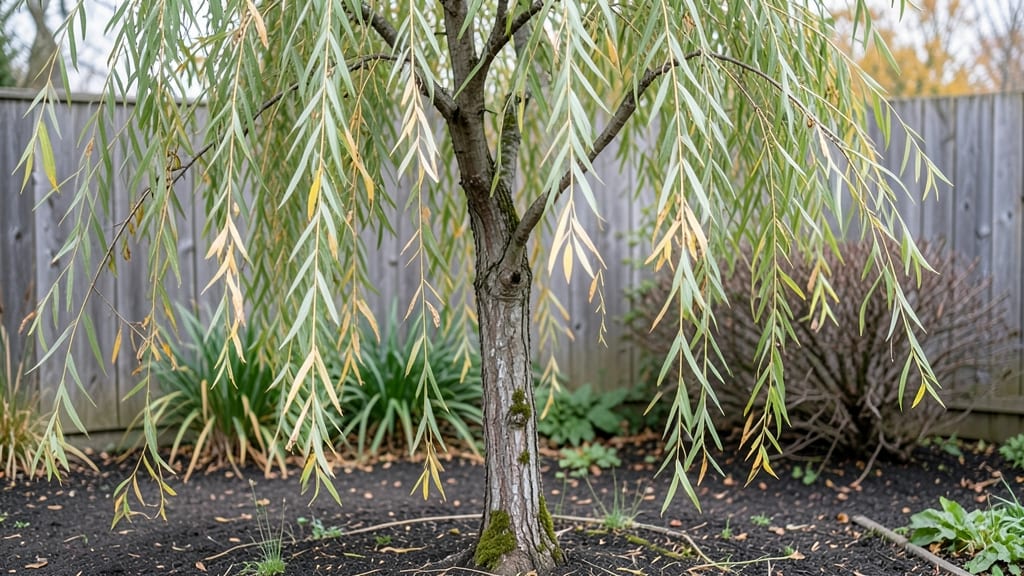
A tall willow tree can transform your yard into a serene retreat with its cascading branches and lush green canopy. 🌿 I planted mine near a small pond, and within three years, it created a natural privacy screen that feels like stepping into a secret garden.
The way its branches sway in the breeze adds movement to any landscape, making it a standout feature rather than just another tree.
Willows thrive near water but adapt to moist soil, making them perfect for both naturalistic and structured gardens. They grow quickly—up to 3 feet per year—but their graceful, weeping shape softens modern designs while complementing cottage-style charm.
Pair it with hostas or ferns for shade-loving companions, or let it stand alone as a dramatic focal point. The key is giving it space: mature willows need at least 20 feet of clearance from structures.
Beyond beauty, these trees support wildlife with their dense foliage and seed pods. Birds nest in their branches, and bees pollinate their early spring flowers. In winter, their bare branches create striking silhouettes against the sky, adding seasonal interest.
The trade-off? Regular pruning keeps them manageable—think once a year to remove dead branches and shape growth.
Whether you want a rustic border, a backyard hideaway, or a statement piece, a willow’s height and elegance make it a versatile choice. Just be ready for its roots to spread—line the planting hole with landscape fabric if your soil is heavy.
The payoff? A living, breathing privacy screen that evolves with your garden.
📚 In This Guide
- What you need
- Instructions
- Tips and common mistakes
- Wrapping up and next steps
What you need
- ● Willow whips or saplings: 10–20 flexible, young willow branches (1–2 inches in diameter, 6–10 feet long). Pro tip: 💡 Collect them in early spring for maximum pliability!
- ● Sturdy stakes: 4–6 wooden or metal stakes (4–6 feet tall, 1–2 inches in diameter).
- ● Twine or jute rope: 50–100 feet (¼-inch thickness for binding).
- ● Soil or compost: 2–3 cubic yards (for planting stakes and willow bases).
- ● Watering can or hose: For consistent hydration during the first 2 weeks.
- ● Pruning shears: Sharp, clean pair for trimming willow branches.
- ● Measuring tape: To ensure uniform spacing (3–4 feet between stakes).
- ● Gloves: Heavy-duty for handling thorny branches or rough bark.
- ● Shovel or trowel: For digging holes (12–18 inches deep for stakes).
- ○ Optional: Mulch (straw or wood chips) to retain moisture.
- ● Decorative stakes (e.g., bamboo or painted wood) for a polished look.
- ● Sunlight: A spot with 6+ hours of direct sun daily—willows thrive in full light!
- ● Moisture access: Near a water source (willows love wet feet but avoid standing water).
- ● Patience: Willow screens take 1–2 growing seasons to reach full privacy height (10–15 feet!).
Step-by-Step guide to planting and maintaining a tall willow tree
Here's how to grow a stunning, fast-growing privacy screen that transforms any landscape.
🌱 Step 1: Choose the Right Location and Prepare the Soil
Willows thrive in moist, well-drained soil with full sun exposure—at least 6 hours daily. Avoid low spots where water pools, as willows hate soggy roots. I always test the soil first by digging a 12-inch deep hole and checking for standing water. If it drains slowly, amend with 3 inches of compost mixed into the native soil.
Willows have aggressive roots, so plant at least 20 feet from foundations, sidewalks, or septic systems. The tree's weeping branches will cascade beautifully, but roots can lift pavement over time. Clear any weeds or grass within a 10-foot radius—competition stresses young willows.
🪴 Step 2: Plant the Willow Tree at the Right Depth and Support
Dig a hole twice as wide as the root ball but no deeper—willows dislike having their roots buried too deeply. Gently loosen the root ball if it's tightly bound, then place the tree in the center. The top of the root ball should sit 1-2 inches above ground level to prevent rot.
Backfill with native soil mixed with 5 gallons of compost, tamping lightly every 3 inches to remove air pockets. Water deeply to settle the soil, then create a 3-foot diameter berm around the base to direct water toward the roots. Stake the tree only if necessary—willows establish quickly and rarely need support.
☀️ Step 3: Water Deeply and Mulch for Retention
Water the newly planted willow 2-3 times per week for the first 2 months, providing 5 gallons per watering to encourage deep root growth. You'll know it's enough when water drains 6 inches below the surface. After that, water once weekly during dry spells, ensuring the soil stays moist but not waterlogged.
Spread 3 inches of mulch (wood chips or bark) around the base, keeping it 6 inches away from the trunk to prevent rot. Mulch locks in moisture and regulates soil temperature—critical for willows, which grow best in 60-75°F soil. Refresh the mulch annually to maintain coverage.
✂️ Step 4: Prune for Shape and Health in Late Winter
Willows grow rapidly, so prune in late winter or early spring before new growth begins. Remove any dead, diseased, or crossing branches first—these compete with the tree's energy. Thin the canopy by 20-30% to improve air circulation, focusing on branches that grow inward or rub against each other.
Shape the tree by cutting back any branches that grow too close to structures or sidewalks. Willow branches are flexible but can become heavy—never remove more than 1/3 of the canopy in a single year. Sterilize pruning tools with rubbing alcohol between cuts to prevent disease spread.
🌿 Step 5: Monitor for Pests and Adjust Care Seasonally
Willows rarely face serious pests, but watch for aphids or scale insects, which thrive on new growth. Blast them off with a strong spray of water or treat with neem oil if they persist. Yellowing leaves usually signal overwatering or poor drainage—adjust your watering schedule if the soil stays soggy for more than 24 hours after watering.
In fall, reduce watering as temperatures drop below 50°F, but keep the soil slightly moist until the ground freezes. Willows are cold-hardy but benefit from a 3-inch layer of mulch over winter to protect roots. By year 3, your willow should stand 15-20 feet tall, providing lush, year-round privacy.
Tips & tricks for perfect tall willow tree planting and growth
Here's what I've learned from years of growing these graceful giants—avoid these common pitfalls for a thriving privacy screen.
Soil Test First: The 12-inch deep soil test in Step 1 is non-negotiable. I've planted willows in amended soil without testing, and they struggled to establish roots properly. If your soil drains poorly, mix in 3 inches of compost AND consider adding coarse sand to improve drainage. The goal is that moist-but-not-waterlogged consistency willows crave.
Root Ball Care: When planting, never force the root ball down into the hole—willows dislike being buried too deeply. The 1-2 inches above ground level in Step 2 creates the perfect balance. After backfilling, I like to gently press down with my hands every 3 inches to eliminate air pockets, then water immediately to help settle the soil. This prevents root suffocation during establishment.
Watering Strategy: Those first 2 months of 2-3 weekly waterings are critical for deep root growth. I use a garden hose with a gentle spray nozzle to deliver the 5 gallons per watering, letting it soak in slowly. The 6-inch drainage check is your best indicator—if water pools above that depth, you're overwatering. In hot summers, I increase to daily watering until the tree shows new growth.
Pruning Precision: The 20-30% canopy thinning in Step 4 might sound aggressive, but it's essential for airflow. I always prune in late winter when the tree is dormant, making clean cuts just above outward-facing buds. For shaping, I never remove more than 1/3 of any branch in a single cut—willows have a remarkable ability to regenerate, but you don't want to shock the tree.
Pro Tips for Tall Willow Tree
- Here's what I've learned from years of growing these graceful giants—avoid these common pitfalls for a thriving privacy screen.
- Soil Test First: The 12-inch deep soil test in Step 1 is non-negotiable.
- Root Ball Care: When planting, never force the root ball down into the hole—willows dislike being buried too deeply.
Frequently asked questions
Got questions about planting and maintaining a tall willow tree for privacy?
Here are answers to the most common ones to help you make the best decisions for your space.
How fast does a tall willow tree grow?
A Salix babylonica (common weeping willow) can grow 3 to 5 feet per year under ideal conditions—sunlight, moist soil, and regular watering. Within 3–5 years, it can reach 30–50 feet tall, offering rapid privacy. However, growth slows in drought or poor soil.
How close can a willow tree be planted to a house or fence?
Willow trees need 20–30 feet of space from structures to avoid root damage or foundation issues. Their aggressive roots spread widely and can disrupt plumbing or sidewalks. If space is limited, opt for a dwarf variety or a different fast-growing privacy screen like leucothoe.
Do willow trees need a lot of water?
Yes!
Willow trees thrive in wet soil and require 1–2 inches of water per week, especially in their first year. While they tolerate occasional flooding, prolonged drought can stress them. Mulch the base to retain moisture, but avoid piling it against the trunk to prevent rot.
How do I prune a tall willow tree for shape and health?
Prune willows in late winter or early spring before new growth starts. Remove dead, crossing, or weak branches first, then thin out excess growth to improve airflow. Avoid heavy pruning—willows bleed sap if cut improperly. Use clean, sharp tools to prevent disease.
Are willow trees good for wildlife?
Willow trees attract birds, bees, and butterflies with their early spring catkins (flower clusters). Their drooping branches also provide shelter for small animals. However, their fast growth can outcompete native plants, so balance them with pollinator-friendly species if supporting local ecosystems is a goal.
Wrapping up and next steps
A tall willow tree isn’t just a stunning addition to your landscape—it’s a year-round privacy screen that grows with grace and minimal fuss.
Whether you’re drawn to its elegant height, adaptability, or low-maintenance charm, this tree delivers both beauty and practicality. Why wait? Plant one today and watch your outdoor space transform into a serene, secluded retreat.
🌱 Your Next Step:
- Check local nurseries for saplings or young trees.
- Pick a sunny spot with moist soil—willows thrive where others might struggle!
- Start small, but dream big—your future privacy screen is just a season away. 🌿