
Trees
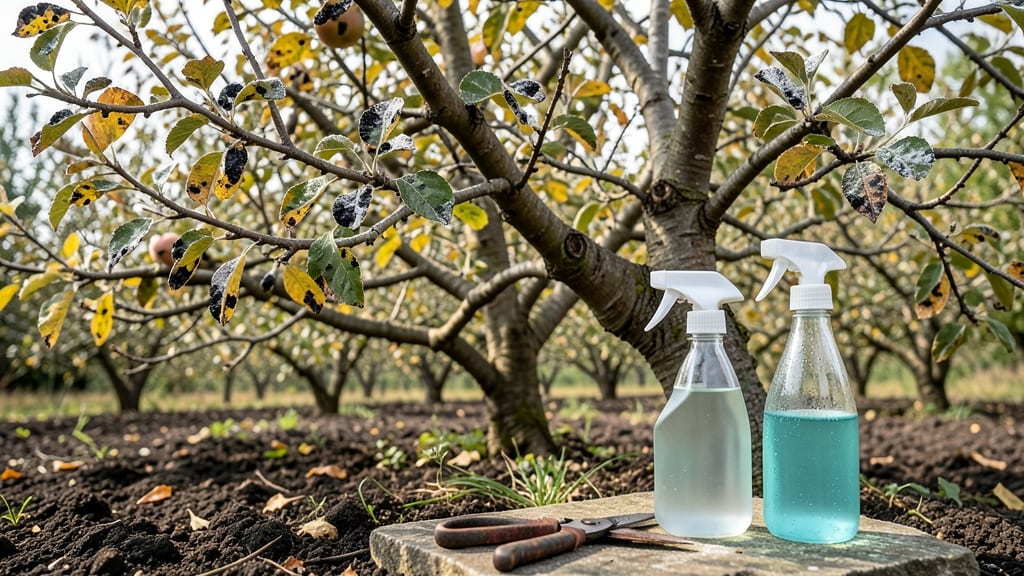
Treating diseased trees starts with the right diagnosis—because what looks like fungus might actually be a nutrient deficiency or pest damage. 🌿 I’ve saved more than a few struggling oaks and maples by catching problems early, and the key is learning to spot the differences between brown spots, oozing cankers, or wilting leaves that signal real trouble.
Most tree diseases thrive when conditions are just right: too much rain, poor drainage, or stressed roots from construction. The good news? Many can be reversed with targeted pruning, fungicides, or even just improving soil health.
I’ll walk you through the most common culprits—like anthracnose, oak wilt, or powdery mildew—and the foolproof fixes that actually work, not just the ones that sound good in theory.
You’ll leave this guide knowing exactly how to trim infected branches without spreading the problem, when to use organic sprays versus stronger chemicals, and which diseases demand a professional’s touch. The goal isn’t just to stop the rot—it’s to help your tree bounce back stronger than before.
Whether you’re dealing with a young fruit tree or a century-old shade tree, these steps adapt to your situation. Let’s get your tree back to thriving—before the damage gets permanent.
The Hidden Triggers Behind Tree Decline
When a tree’s health takes a turn for the worse, it’s rarely due to a single, obvious cause. Instead, a mix of environmental stressors, biological threats, and human-related factors often work together to weaken trees over time.
Understanding these root causes—literally and figuratively—is the first step in effective disease management and recovery. Below, we break down the most common culprits, explained in clear, actionable terms.
Fungi are the most frequent offenders when it comes to tree diseases. These microscopic organisms thrive in moist conditions and can spread rapidly through wounds, roots, or even the air. Some of the most destructive fungal pathogens include:
- Armillaria root rot (Honey Fungus): This aggressive fungus attacks the roots and lower trunk, disrupting nutrient and water transport. It’s especially problematic in oak, pine, and fir trees and often appears in clusters where one infected tree can spread spores to neighboring roots via underground hyphae (thread-like structures). 💡 Pro Tip: Look for white, fan-like growths at the base of the tree or mushrooms growing in a ring around it—classic signs of Armillaria.
- Canker diseases (e.g., Valsa or Nectria): These fungi create sunken, discolored lesions on the bark, which can girdle (surround) the trunk and kill the tree. Common in apple, cherry, and willow trees, cankers thrive in wet, humid conditions and often enter through pruning wounds. ✨ Key Clue: Oozing sap or dead branches above the canker are red flags.
- Powdery mildew and rusts: While less deadly, these fungi weaken trees by covering leaves with a white, powdery film (mildew) or orange pustules (rust), reducing photosynthesis. They’re often seen in maple, birch, and rose trees during damp springs.
Fungi spread faster in compacted or waterlogged soil, so improving drainage and avoiding overwatering can help prevent outbreaks. 🌡️ Fun Fact: Some fungi, like Trametes versicolor (Turkey Tail), are actually beneficial for breaking down dead wood—but when they attack living trees, they’re a different story.
Insects may seem harmless, but certain species act like termites for trees, tunneling through bark, cambium (the tree’s growth layer), or even leaves. Their damage can be so extensive that trees starve or succumb to secondary infections. Watch for these common pests:
- Bark beetles (e.g., Dendroctonus species): These beetles bore into the inner bark, disrupting the tree’s vascular system. Pine, spruce, and fir trees are particularly vulnerable, especially during droughts when trees are stressed. 🔥 Warning Sign: Look for sawdust-like frass (beetle excrement) at the base of the tree or reddish-brown bore holes in the bark.
- Emerald ash borer (EAB): This invasive beetle targets ash trees, laying eggs in bark crevices. The larvae tunnel under the bark, severing nutrient pathways. Infested trees often develop D-shaped exit holes and vertical splits in the bark. 💡 Pro Tip: If your ash tree has sudden canopy dieback, EAB is likely the culprit.
- Gypsy moth caterpillars: While they don’t kill trees directly, these defoliators strip leaves, weakening oak, birch, and maple trees over time. Repeated defoliation can lead to starvation or make trees susceptible to fungal infections.
- Sap-sucking insects (e.g., aphids, scale, mealybugs): These pests don’t kill trees outright but excrete honeydew, a sticky substance that fosters sooty mold—a black fungal growth that blocks sunlight. 🍃 Visual Cue: Sticky leaves or black, fuzzy patches on bark are telltale signs.
Insect populations surge during drought or heatwaves, as stressed trees produce less resin (a natural defense). 🌡️ Prevention Tip: Encourage natural predators like birds and ladybugs, or use beneficial nematodes to target larvae in the soil.
Trees are resilient, but extreme or prolonged environmental conditions can push them past their limits. These factors often weaken trees, making them susceptible to diseases or pests:
- Poor soil conditions:
- Compacted soil restricts root growth, limiting water and nutrient uptake. This is common in urban areas with heavy foot traffic or construction.
- Soil pH imbalances (too acidic or alkaline) can lock out essential nutrients like nitrogen or phosphorus. 📊 Test Tip: A simple soil test kit can reveal pH and nutrient deficiencies.
- Lack of organic matter reduces soil structure and microbial activity, which are crucial for root health.
- Water-related extremes:
- Overwatering leads to root rot (often caused by Phytophthora fungi), suffocating roots by cutting off oxygen.
- Drought stress forces trees to divert energy to survival, making them vulnerable to bark beetles or sun scald (bark damage from intense sunlight).
- Physical damage:
- Lawnmower or weed whacker wounds create entry points for fungi and bacteria.
- Construction or root compaction from nearby development can sever roots or limit growth.
- Hail or wind damage tears bark, exposing the tree to pathogens.
- Air pollution and urban heat islands: Trees in cities face higher levels of ozone, sulfur dioxide, and particulate matter, which clog stomata (leaf pores) and reduce photosynthesis. 🌆 Urban Hack: Planting pollution-tolerant species like ginkgo, sycamore, or London plane can help.
Environmental stressors often compound—for example, a drought-stressed tree is more likely to succumb to bark beetles, which then invite fungal infections. 🎯 Actionable Fix: Improve soil health with compost, mulch properly (2–4 inches deep), and water deeply but infrequently to encourage strong root systems.
Sometimes, the biggest threat to trees comes from us. Poor maintenance, chemical misuse, or even well-intentioned actions can accelerate decline:
- Improper pruning:
- Cutting too close to the trunk (within 1–2 inches) can leave stubs that rot or invite fungal infections.
- Removing too many branches at once (over 25% of the canopy) stresses the tree, making it vulnerable to pests.
- 🔪 Mistake Alert: Topping trees (severely cutting the
How to solve it
Reviving a diseased tree isn’t always about drastic measures—often, it’s a matter of diagnosing the root cause (literally!) and applying targeted solutions. Below, we break down how to treat common tree ailments with step-by-step fixes, plus prevention tips to keep your greenery thriving.
Think of this as your tree’s emergency room visit—fast, effective, and designed to get them back on their feet.
Fungi like anthracnose, powdery mildew, or root rot thrive in damp, crowded conditions. Here’s how to tackle them:
1️⃣ Trim the Trouble Spots
- 🔪 Remove infected branches: Cut 6–12 inches below the visible damage (fungi spread underground!).
Sterilize pruners with 70% rubbing alcohol or a 10% bleach solution to prevent cross-contamination. - 🌡️ Time it right: Prune in dry weather (morning is best) to avoid spreading spores.
2️⃣ Apply Fungicide
- 💡 For foliar fungi (e.g., powdery mildew): Use a copper-based fungicide or neem oil spray (1 tbsp neem oil + 1 quart water + a drop of dish soap).
Reapply every 7–14 days during wet seasons. - 🌊 For root rot: Improve drainage by amending soil with compost and avoiding overwatering. If severe, consider mycorrhizal fungi treatments to restore beneficial microbes.
3️⃣ Boost Tree Immunity
- 🍃 Mulch properly: Apply 2–4 inches of organic mulch (wood chips, straw) 3 inches away from the trunk to regulate moisture and block spores.
- 💪 Fertilize smartly: Use a balanced, slow-release fertilizer (10-10-10) in early spring to strengthen the tree’s defenses.
🔥 Prevention Pro Tip: Space trees 10–15 feet apart for airflow, and clean up fallen leaves promptly—they’re fungal buffets!
Bugs like borers, aphids, or scale insects weaken trees by siphoning nutrients. Here’s how to evict them:
1️⃣ Manual Removal (For Early Stages)
- 🕵️♂️ Scrape off scale insects: Use a stiff brush or cloth dipped in soapy water to wipe away clusters.
- 🪰 Trap borers: Set up pheromone traps (like those for emerald ash borers) or hang yellow sticky traps for flying pests.
2️⃣ Natural Pesticides
- 🍋 Horticultural oil: Spray dormant oil (winter) or summer oil (when pests are active) to smother eggs and adults. Shake well—oil settles!
- 🌿 Neem oil or insecticidal soap: Mix 1 tsp neem oil + 1 tsp soap per quart of water and spray undersides of leaves (where pests hide).
3️⃣ Systemic Solutions
- 💉 For severe borer infestations: Inject systemic insecticides (like Imidacloprid) into the trunk. Pro tip: Hire a pro if you’re unsure—misapplication can harm the tree!
✨ Prevention Hack: Encourage beneficial insects (ladybugs, lacewings) by planting dill, fennel, or marigolds nearby—they’re pest patrol!
Drought, sunburn, or compacted soil can make trees vulnerable to disease. Fix these underlying issues:
1️⃣ Water Wisely
- 💧 Deep watering: Water slowly at the base (1–2 inches per week) rather than shallowly.
Use a soaker hose to avoid wetting leaves (which spreads disease). - 🌧️ Drought recovery: If soil is bone-dry, water deeply 2–3 times over 2 weeks to rehydrate roots.
2️⃣ Improve Soil Health
- 🌱 Aerate compacted soil: Use a garden fork to loosen soil around roots or plant deep-rooted companions (like comfrey) to break up clay.
- 🍄 Add mycorrhizal fungi: Sprinkle mycorrhizal powder on roots during planting or transplanting to boost nutrient uptake.
3️⃣ Shield from Elements
- ☀️ Sunburn protection: Wrap young trees in tree wrap (remove after 1–2 years) or paint trunks with white latex paint to reflect heat.
- 🌬️ Windbreaks: Plant fast-growing shrubs (like arborvitae) as wind barriers for delicate species.
🎯 Long-Term Tip: Mulch volcanoes are evil! Keep mulch level with the soil—piling it against the trunk suffocates roots and invites pests.
Some diseases (like Dutch elm disease or sudden oak death) require professional intervention.
Know when to escalate: - 🚨 If >30% of the canopy is dead (pruning won’t help). - 🪓 If the tree is structurally unsound (cracks, splits, or hollows). - 💀 If the tree is a host for invasive species (e.g., chestnut blight).
💡 Expert Fixes May Include:
- Micro-injections of nutrients or fungicides.
- Cabling/bracing for weak branches.
- Complete removal (as a last resort) to prevent spread.
Final Green Thumb Reminder: Patience is key! Trees heal slowly—monitor progress over 6–12 months and adjust treatments as needed. With the right care, even ailing trees can make a full recovery! 🌿💚
Frequently asked questions
How do I know if my tree is diseased or just stressed?
Look for specific symptoms: Fungal infections often show as dark spots, oozing cankers, or powdery coatings on leaves/bark, while pest damage may include holes, sawdust-like frass, or sticky honeydew. Stressed trees typically have yellowing leaves, stunted growth, or wilting without these distinct marks. Check for seasonal patterns—sudden leaf drop in spring suggests disease, while gradual decline over years may indicate stress from poor soil or drought.
Can I treat a diseased tree with household items?
Yes! For mild fungal issues, mix 1 tbsp neem oil + 1 tsp dish soap per quart of water and spray leaves. Baking soda spray (1 tsp baking soda + 1 quart water) helps with powdery mildew. For pests, soapy water (1 tbsp mild soap per gallon) manually removes aphids or scale. However, severe infections (like cankers or root rot) require professional fungicides—household remedies won’t cut it. Always test sprays on a small area first.
When should I call an arborist instead of DIY?
Consult a pro if you see >30% canopy dieback, oozing cankers, or mushrooms at the base—these signal advanced disease. Also call if the tree is structurally unsound (large cracks, hollows) or hosts invasive pests (like emerald ash borer). Arborists can perform micro-injections, cabling, or precise removals without spreading pathogens. Never attempt removal yourself if the tree is near power lines or large structures.
How often should I prune a diseased tree?
Prune only when necessary—remove dead, diseased, or crossing branches in dry weather (spring/fall). Avoid heavy pruning (never remove >25% of the canopy at once), as this stresses the tree further. Sterilize tools with 70% rubbing alcohol between cuts to prevent spreading spores. Focus on thinning the crown to improve airflow, which slows fungal growth.
Will treating a diseased tree save it?
It depends on the disease stage and tree species. Early intervention (like pruning cankers or applying fungicides) can reverse mild infections, but advanced root rot or systemic diseases (e.g., Dutch elm disease) are often fatal. Some trees, like oaks, are resilient and may recover with proper care, while others (e.g., fruit trees with fire blight) may need removal. Monitor progress for 6–12 months—if no improvement, removal may be the safest option.