
Flowers
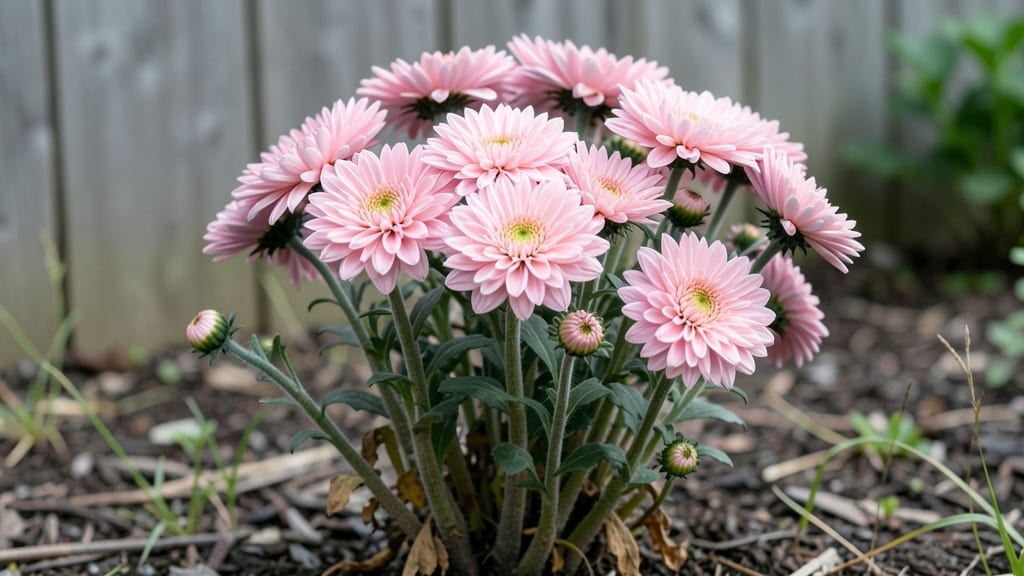
Pink flowers blooming without leaves on your tree? That’s actually a good sign—it’s likely a cherry tree in its dormant phase, where buds open before foliage. 🌸 I’ve seen this with my neighbor’s ornamental cherry, and it’s completely normal for late winter/early spring.
The flowers use stored energy from last year’s leaves to bloom first.
But if your tree looks otherwise healthy, this is just nature’s way of putting on a show before the leaves catch up. Check for pests or disease by inspecting branches—look for holes, sap, or unusual spots.
Most healthy trees will leaf out within 2-4 weeks after flowering, so don’t panic yet. The blooms might even attract pollinators early, giving your garden a head start.
If the tree stays bare after blooming or shows signs of stress (wilting, dead branches), it might need extra care—like watering if the soil’s dry or pruning to improve airflow. Otherwise, just enjoy the unexpected beauty. These flowers often mean a strong, productive season ahead, especially for fruit-bearing varieties.
For ornamental cherries, this is part of their charm—some cultivars bloom before leaves even appear. If your tree’s otherwise thriving, it’s not a problem. But if you’re unsure, snap a photo and compare it to known varieties. The key is patience: leaves will follow, and the show isn’t over yet.
Root Causes Of Bare Branches
If your tree is sporting pink flowers without leaves, it’s likely a sign of stress or improper growing conditions. Understanding the underlying reasons helps you take corrective action before the issue worsens. Below are the most common causes, explained in simple terms with actionable insights.
Many flowering trees—especially those with pink blossoms—require a period of cold dormancy (a process called cold stratification) to trigger bud break. Without this, flowers may appear without leaves because the tree hasn’t fully "woken up" from winter.
Why it happens: Cold stratification mimics natural winter conditions, breaking seed dormancy and signaling the tree to grow. If your tree was grown from seed indoors or in a warm climate, it may never have experienced the necessary chill hours (typically 30–90 days below 40°F). Without this, buds may open prematurely, leading to flowering without foliage.
💡 Pro Tip: If you’re growing from seed, store it in a moist paper towel in the fridge for 6–8 weeks before planting. For mature trees, ensure they’re planted in USDA zones matching their native cold tolerance.
A tree with pink flowers but no leaves might be getting the wrong kind of fertilizer. While nitrogen (the first number in NPK) promotes leafy growth, an overabundance can cause excessive flowering at the expense of foliage—especially if other nutrients like phosphorus and potassium are lacking.
Why it happens:
- High nitrogen encourages rapid growth, but if phosphorus (P) and potassium (K) are low, the tree may prioritize reproductive growth (flowers) over vegetative growth (leaves).
- Deficiencies in micronutrients (like magnesium, iron, or zinc) can also lead to poor leaf development, even if flowers bloom.
- Over-fertilizing in late summer/fall can stimulate early flowering before the tree has stored enough energy for leaf production.
📊 Actionable Fix: Test your soil (a $20 home kit works) and adjust with a balanced fertilizer (10-10-10 or 5-10-10). For flowering trees, a low-nitrogen, high-phosphorus formula (e.g., 5-10-5) in early spring can encourage both flowers and leaves.
Extreme weather—whether drought, sudden heatwaves, or winter desiccation—can force a tree into survival mode, causing it to drop leaves but keep flowering as a last-ditch effort to reproduce.
Why it happens:
- Water stress: When roots can’t absorb enough moisture, the tree sheds leaves to conserve water but may still produce flowers if it senses favorable conditions for pollination.
- Heat shock: A sudden spike in temperature (like a 90°F+ day after a cold snap) can disrupt bud development, leading to naked flowers.
- Winter desiccation: Young trees or those in windy, dry climates may lose moisture through transpiration even when dormant, weakening new growth.
💧 Immediate Solutions:
- Deep watering (1–2 inches per week) during dry spells.
- Mulch heavily (3–4 inches of organic mulch) to retain moisture and regulate soil temp.
- Avoid pruning in late summer—new growth is more vulnerable to heat stress.
Sometimes, the absence of leaves isn’t about the tree’s biology—it’s about invisible pests or pathogens that have already done their damage before the flowers even appear.
Why it happens:
- Borers or beetles (e.g., emerald ash borer) can kill cambium tissue, starving the tree of nutrients needed for leaf production.
- Fungal infections (like anthracnose or powdery mildew) may inhibit leaf growth while still allowing flowers to form.
- Root rot (from overwatering) can cut off nutrient transport, leading to flowering without foliage.
🔍 How to Diagnose:
- Check for sawdust-like frass (insect droppings) near buds.
- Look for black spots, mold, or cankers on branches.
- Scratch the bark—if it’s oozing sap or looks discolored, pests or disease may be at play.
🛡️ Treatment Options:
- Neem oil spray (for soft-bodied insects).
- Fungicide (copper-based) if fungal disease is suspected.
- Prune infected branches in dormant season to prevent spread.
By identifying which of these factors is affecting your tree, you can restore balance and encourage healthy, leafy blooms next season. The key is acting early—once the tree’s energy is diverted to flowers, it may struggle to recover foliage.
Revive Your Tree’s Blooms Now
If your tree is sporting pink flowers but no leaves, don’t panic—there’s hope! The good news is that most causes have quick fixes, and with the right steps, you can coax your tree back to full, leafy glory. Below, we’ve mapped out practical solutions for each common issue, along with prevention tips to keep your tree thriving year-round. Let’s get growing!
If your tree is struggling because its seeds or cuttings weren’t properly cold-stratified, this is an easy fix. Cold stratification mimics winter conditions, breaking seed dormancy so roots and leaves can sprout.
🔥 Step-by-Step Revival
- 📝 Identify the Issue: If your tree was planted from seed or grafted recently, it may need cold treatment. Check if the soil is damp but the tree isn’t responding—this is a red flag.
- 🥶 Apply Cold Stratification:
- For seeds: Place them in a plastic bag with damp peat moss or a paper towel. Store in the fridge (34–41°F) for 4–12 weeks, depending on the species.
- For cuttings: Wrap the base in damp sphagnum moss and refrigerate for 2–4 weeks before replanting.
- 🌱 Transplant with Care: Once stratified, plant seeds or cuttings in well-draining soil. Keep the soil moist but not soggy and place in bright, indirect light.
- ⏰ Wait and Watch: New growth should appear in 2–6 weeks. If not, extend the cold treatment by another 2 weeks.
💡 Pro Tip:
For fast results, try a DIY cold stratification setup using a Styrofoam cooler filled with damp sand and buried seeds. Place it in a shaded outdoor spot for 6–8 weeks—nature does the work for you!
Overwatering or underwatering can shock your tree, leading to leaf drop while flowers persist. The key is finding the goldilocks zone—just enough moisture to support roots without drowning them.
🍳 Step-by-Step Watering Fix
- 💦 Check Soil Moisture: Stick your finger 2 inches deep into the soil. If it’s dry, water deeply. If it’s muddy, hold off and let it dry slightly.
- 🚰 Water Deeply, Less Often:
- Water until the soil is saturated (about 6–12 inches deep), then wait until the top 2 inches dry out before watering again.
- Avoid shallow watering, which encourages weak roots.
- 🌡️ Monitor Temperature: In hot weather, water early in the morning or late evening to reduce evaporation.
- 🌱 Mulch to Retain Moisture: Apply a 2–3 inch layer of mulch (wood chips or straw) around the base (but not touching the trunk) to keep roots cool and hydrated.
🔥 Emergency Fix for Overwatered Trees:
If the soil is waterlogged, improve drainage immediately:
- Dig a 1-inch deep trench around the tree to encourage excess water to flow away.
- Mix sand or perlite into the top 6 inches of soil to aerate it.
- Let the soil dry out completely before resuming a normal watering schedule.
Pink flowers without leaves often signal a light deficiency. While some trees bloom in low light, most need bright, indirect sunlight to produce foliage. If your tree is in a shady spot, it’s time to relocate or supplement its light.
👨🍳 Step-by-Step Light Adjustments
- 📏 Assess Current Light Conditions:
- Low light: No direct sun; dim indoor spaces.
- Medium light: Bright indirect light (e.g., near a north-facing window).
- High light: Direct sun for part of the day.
- 🌞 Move to a Sunnier Spot:
- If indoors, place near a south- or west-facing window.
- If outdoors, shift to a spot with 4–6 hours of morning sun (avoid harsh afternoon sun for delicate trees).
- 💡 Supplement with Grow Lights:
- Use a full-spectrum LED grow light for 12–14 hours/day if natural light is insufficient.
- Keep the light 6–12 inches away from the tree to avoid leaf burn.
- ⏰ Gradual Transition: If moving outdoors, acclimate the tree over 7–10 days by exposing it to increasing sunlight.
✨ Pro Tip:
For houseplants, rotate the tree quarter-turn weekly to ensure even growth and prevent lopsided foliage.
Extreme heat or cold can shock your tree, causing it to drop leaves while still producing flowers. Most flowering trees thrive in moderate temperatures (60–75°F), so regulating the environment is key.
🔪 Step-by-Step Temperature Control
- 🌡️ Check Current Conditions:
- If indoors, use a thermometer to monitor temperature near the tree.
- If outdoors, avoid planting in microclimates (e.g., near heaters, AC vents, or frozen patches).
- 🏠 Adjust Indoor Conditions:
- Avoid placing near drafts, vents, or radiators.
- Use a space heater or fan to maintain consistent temps if needed.
- 🌳 Protect Outdoors in Extreme Weather:
- In heatwaves, provide shade cloth (30–50% coverage) to reduce stress.
- In freezing temps, wrap the tree trunk with burlap or frost cloth and mulch heavily.
- 🌱 Fertilize for Resilience: Apply a balanced fertilizer (10-10-10) in spring to help the tree recover from temperature shocks.
Once your tree is back in full leaf, keep these easy habits to prevent future issues:
Frequently asked questions
Is it normal for a tree to have pink flowers without leaves?
Yes, especially for ornamental trees like cherry blossoms or flowering plums. Many deciduous trees bloom before leaves appear, using stored energy from last year's foliage. This is normal in late winter/early spring when buds break dormancy first.
Why does my tree have flowers but no leaves?
This can happen due to cold stratification issues (lack of winter chill), improper fertilization (too much nitrogen), or environmental stress like drought or extreme temperatures. Check for pests/disease too—some pathogens inhibit leaf growth while allowing flowers to form.
How long should I wait before leaves appear?
Healthy trees typically leaf out within 2-4 weeks after flowering. If no leaves appear after 6 weeks, investigate soil moisture, nutrient levels, or pest damage. Some varieties (like certain cherries) may take slightly longer, but persistent bare branches warrant closer inspection.
Can I prune the flowers to encourage leaf growth?
Only prune after the tree has fully bloomed and shows signs of new leaf buds. Removing flowers too early can stress the tree. Focus first on correcting water, light, or nutrient imbalances. For fruit-bearing trees, consider leaving some flowers to maintain energy balance.
What's the fastest way to diagnose the problem?
Start with a soil test ($20 kit) and inspect branches for pests (look for holes, frass, or sap). Check leaf buds under a magnifying glass—healthy buds should be plump and greenish, not shriveled. Compare your tree to known varieties using a plant ID app for visual confirmation.