
Flowers
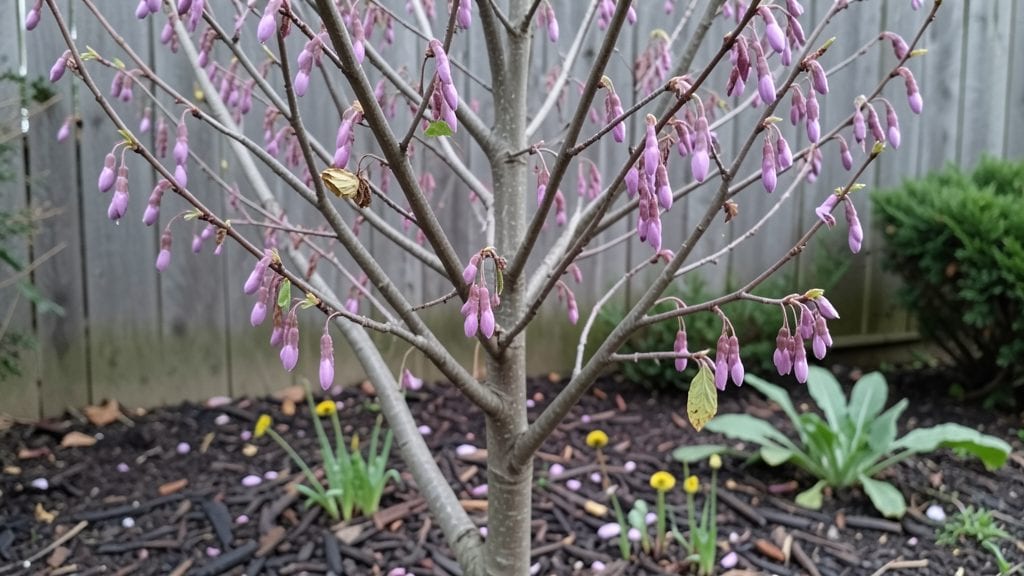
A tree with little purple flowers can turn your garden into a fragrant springtime haven 🌸 — and the lilac bush is the undisputed star of the show.
Imagine stepping into your garden in spring and being greeted by a cascade of delicate purple blooms, each with an intoxicating fragrance that lingers in the air.
The lilac bush isn’t just a tree with little purple flowers; it’s a timeless classic that transforms any outdoor space into a fragrant paradise.
Whether you’re dreaming of a cottage garden vibe or a modern minimalist look, these compact varieties fit perfectly into any design. Plus, they’re low-maintenance once established, making them ideal for busy gardeners who still want that showstopping spring display.
Below, I’ll share the top 5 lilac varieties for small gardens, how to pair them with complementary plants, and the best spots to plant them for maximum fragrance and beauty.
Top 5 lilac bush varieties for small gardens with tiny purple blooms
When you're dreaming of a small garden bursting with tiny purple flowers, lilacs are the perfect choice. These compact varieties offer the same fragrant charm as their larger cousins but fit neatly into urban spaces or patio gardens.
Each variety brings its own unique scent and color intensity, ensuring your garden will feel like a springtime sanctuary.
I’ve selected these five lilac varieties specifically for their small stature and delicate blooms. Whether you’re a beginner or a seasoned gardener, these fragrant shrubs will thrive with minimal space and care. Let’s explore the best options for your tiny garden oasis.
🌸
First on the list is 'Miss Kim', the dwarf lilac that’s perfect for containers or small gardens. This variety reaches just 3-4 feet tall, making it ideal for balconies or patio gardens.
Its lavender-purple blooms appear in late spring and release a light, sweet fragrance that’s perfect for close-up enjoyment.
If you love the classic lilac scent but want something more compact, 'Dwarf Korean' is a fantastic choice. Growing to 4-5 feet, it’s perfect for foundation plantings or small hedges. Its soft purple flowers create a romantic atmosphere and thrive in full sun.
For those who want stronger fragrance, 'Little Leaf' is a standout. This variety produces pale purple blooms with an intense sweet scent that fills the air. It’s slightly taller at 4-6 feet but adapts well to part shade, making it versatile for shadier spots.
One of my personal favorites is 'Bloomerang', which offers reblooming potential. With deep purple flowers and an exceptional fragrance, it grows to 5-6 feet and rewards you with two blooming seasons—once in spring and again in summer.
This makes it a showstopper for small gardens.
Lastly, 'Munchkin' is the perfect tiny purple bloomer for border gardens or small spaces. Standing at just 3-4 feet, it produces light purple flowers with a mild, fresh scent. It’s also adaptable to part shade, making it a low-maintenance choice.
Each of these compact lilac varieties brings something special to your small garden. Whether you prioritize fragrance, reblooming, or adaptability, there’s a perfect tiny purple bloomer waiting for you. Plant one this fall, and enjoy years of fragrant blooms.
🪴
How to grow and care for lilac bushes with small purple flowers
Lilac bushes, with their clusters of tiny purple flowers, are a garden staple that brings both beauty and fragrance. These deciduous shrubs thrive in temperate climates and reward gardeners with vibrant blooms each spring.
To ensure your lilac bush becomes a fragrant centerpiece, focus on proper planting, seasonal care, and pruning techniques that encourage abundant flowering. Whether you're planting a new shrub or revitalizing an existing one, these steps will help you achieve a lush, blooming lilac bush year after year.
One of the most critical factors for growing a healthy lilac bush is selecting the right location. Lilacs love full sun exposure, which means choosing a spot that receives at least 6 hours of direct sunlight daily.
They also prefer well-draining soil—avoid heavy clay or waterlogged areas, as these can lead to root rot. If your soil is compacted, consider amending it with organic matter like compost or aged manure to improve drainage and fertility.
This preparation sets the stage for strong root development, which directly impacts the bush’s ability to produce those fragrant purple blooms.
Step-by-Step Guide to Growing Lilac Bushes
- Step 1: Choose the Right Variety – Select a compact lilac variety like 'Minnesota Snowflake' or 'Katherine Havemeyer' for smaller gardens. These varieties produce small purple flowers in clusters and thrive in tight spaces.
- Step 2: Plant in Well-Drained Soil – Dig a hole twice as wide as the root ball but no deeper. Mix the native soil with compost or aged manure to improve drainage and fertility.
- Step 3: Position in Full Sun – Ensure the planting site receives 6+ hours of sunlight daily. Lilacs need full sun to produce their best fragrant blooms.
- Step 4: Water Deeply After Planting – Water the lilac bush thoroughly to settle the soil around the roots. After establishment, water deeply but infrequently to encourage deep root growth.
- Step 5: Apply a Balanced Fertilizer – Use a 10-10-10 fertilizer in early spring to promote healthy growth. Avoid over-fertilizing, as this can reduce flowering.
- Step 6: Prune After Flowering – Prune lilacs immediately after they finish blooming to shape the bush and encourage next year’s purple flower clusters. Remove dead or crossing branches.
- Step 7: Mulch Annually – Apply a 2-inch layer of mulch around the base of the lilac to retain moisture and suppress weeds. Avoid piling mulch against the trunk.
Pruning is one of the most important tasks for maintaining a healthy lilac bush. The best time to prune is right after flowering, typically in late spring or early summer. This timing ensures you don’t cut off next year’s flower buds, which form on last year’s growth.
Use clean, sharp pruners to make cuts just above a bud or branch collar. Remove any dead, diseased, or crossing branches first, then shape the bush by thinning out crowded areas. Avoid heavy pruning, as this can reduce the number of tiny purple flowers the following season.
Seasonal care is key to keeping your lilac bush thriving. In spring, apply a balanced fertilizer to promote new growth and flowering. During summer, water deeply but less frequently to encourage drought tolerance. In fall, avoid fertilizing to allow the bush to prepare for dormancy.
Finally, in winter, protect young lilacs from harsh winds by wrapping them in burlap or using a frost blanket. These seasonal adjustments ensure your lilac bush remains healthy and continues to produce those fragrant purple blooms for years to come.
If your lilac bush isn’t blooming as expected, it might be due to over-fertilizing, poor pruning practices, or inadequate sunlight. To troubleshoot, check the soil drainage and ensure the bush is getting enough sun.
If the soil is too rich in nitrogen, it can lead to lush foliage but fewer flowers. Adjust your fertilizer to a lower-nitrogen blend and focus on promoting flowering with proper pruning and sunlight exposure.
With the right care, your lilac bush will reward you with a stunning display of tiny purple flowers every spring.
Incorporating your lilac bush into your garden design can elevate its visual appeal. Pair it with complementary plants like lavender, roses, or ornamental grasses to create a fragrant and textured garden bed. Place it near a patio or seating area to enjoy the intoxicating fragrance of the blooms.
With the right location, care, and attention, your lilac bush will become a cherished feature of your garden, bringing color and scent to your outdoor space for decades.