
Trees
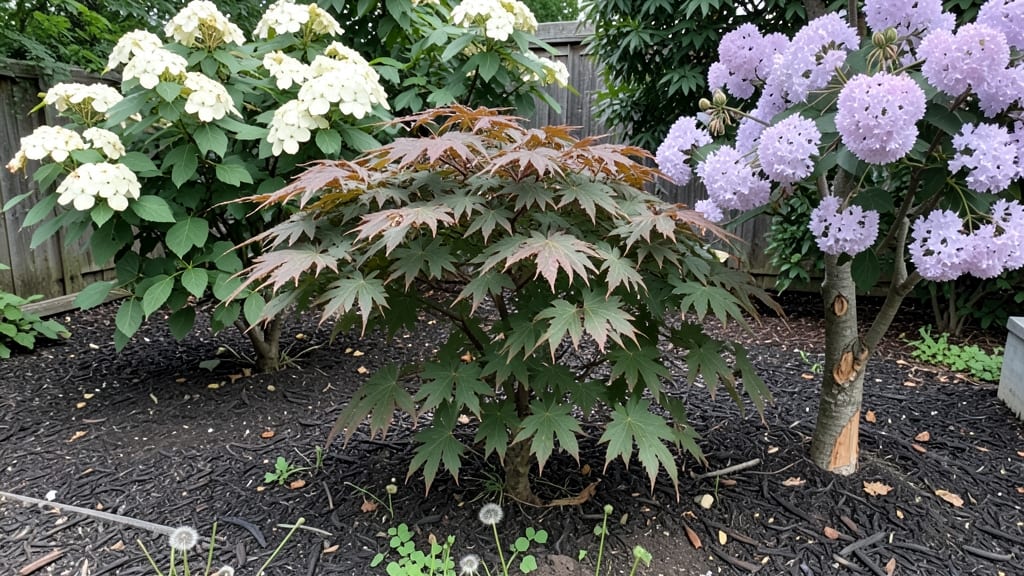
The trees around home you choose can turn your yard into a cozy hideaway in just a few years—no waiting decades for slow growers. 🌿 Last spring, I planted a row of Leyland cypress, and by summer, they were already blocking the neighbor’s view while adding that lush, evergreen backdrop I’d been dreaming of.
The best part? These trees keep their foliage year-round, so you never lose that green privacy shield, even in winter.
You don’t need a forest to create impact—just a few well-chosen trees can do the job. Focus on species that fit your space: 5- to 10-foot-tall options like arborvitae or emerald green work for tight yards, while 15- to 20-foot varieties like Leyland cypress or Lombardy poplar handle broader areas.
Most fast growers add 3 to 5 feet per year, so you’ll see real results in 3 to 5 seasons with minimal effort.
Imagine waking up to a yard that feels like your own private sanctuary, where sunlight filters through just enough to keep things bright but not intrusive. These trees also filter noise, reduce wind, and even boost your home’s curb appeal—all while requiring less maintenance than you’d think.
The key is spacing them 3 to 6 feet apart at planting to give roots room to spread without crowding.
Whether you’re shielding a patio, driveway, or backyard, the right trees can turn your outdoor space into a low-stress, high-impact retreat. Let’s pick the perfect species for your climate and layout so you can enjoy the privacy—and the peace—sooner than you’d expect.
📚 In This Guide
- What you need
- Instructions
- Tips and common mistakes
- Wrapping up and next steps
What you need
- ● Fast-growing privacy trees: 3–5 saplings (species like Leyland Cypress, Bamboo, or Arborvitae—check local climate suitability).
- ● High-quality soil: 5–10 bags (2–3 cubic feet each) of well-draining, nutrient-rich potting mix (or amend native soil with compost).
- ● Mulch: 2–3 bags (2–3 cubic feet each) of organic mulch (e.g., wood chips or pine straw).
- ● Tree stakes: 3–5 stakes (1–2 inches in diameter, 4–6 feet tall) for support.
- ● Stake ties: 10–15 biodegradable ties (3–4 inches wide).
- ● Watering can or hose: With a gentle spray nozzle for hydration.
- ● Shovel or spade: For digging holes (12–18 inches wide/deep per tree).
- ● Pruning shears: To trim dead branches or shape young trees.
- ● Measuring tape: For spacing trees 4–6 feet apart (depending on mature size).
- ● Gloves & safety glasses: Protection against thorns, dirt, or debris.
- ○ Optional (but helpful): Post-hole digger (if soil is rocky).
- ● Tree guard (to protect young trunks from pests).
- ● Soil pH tester (to ensure optimal growing conditions).
Step-by-step guide to planting fast-growing privacy trees
Here's how to create a lush, living privacy screen that grows quickly and stays beautiful year-round.
🌱 Step 1: Choose the Right Fast-Growing Species
Pick trees that mature quickly while offering year-round interest. I recommend Leyland cypress (grows 3-4 feet per year) or Thuja Green Giant arborvitae (adds 2-3 feet annually). Both handle pruning well and provide dense foliage for instant privacy. Avoid fast growers like willows—they're messy and short-lived.
Check your hardiness zone first. Leyland cypress thrives in zones 6-10, while Green Giant arborvitae handles zones 5-8. Planting the right species ensures your screen establishes quickly without struggling. I always verify with my local extension office if I'm on the zone border.
🪴 Step 2: Plan Your Layout for Maximum Impact
Space your 4 trees in a straight line, 8-10 feet apart for optimal growth. This spacing lets them fill in quickly without overcrowding. For a 10-foot-tall screen in 5 years, start with 6-8 foot tall nursery trees—they'll establish faster than bare-root seedlings.
Measure your property line carefully. You want the mature width to reach 12-15 feet by year 5. Mark planting spots with stakes and string to ensure perfect alignment. I use a 4-foot-wide planting zone along the property line to give roots room to spread without encroaching on neighbors.
☀️ Step 3: Dig Holes and Prepare the Soil
Dig holes twice as wide as the root ball but only as deep as the container. This prevents burying the trunk too deep, which causes rot. Amend the native soil with 3 gallons of compost mixed into the bottom of each hole to improve drainage and fertility.
Water each hole thoroughly before planting. The soil should be evenly moist but not soggy. If your soil is heavy clay, add 1 gallon of perlite to each hole to improve aeration. I test moisture by squeezing a handful—it should hold together but not drip water.
🌿 Step 4: Plant and Stake for Stability
Remove the tree from its container and loosen the roots gently if they're circling. Place it in the hole so the top of the root ball sits 1 inch above ground level. Backfill with native soil, tamping lightly every 6 inches to eliminate air pockets.
Stake each tree with 2 wooden stakes on opposite sides, securing with soft tree ties (not wire). Water deeply right after planting—1 gallon per tree—to settle the soil. Mulch with 3 inches of shredded bark, keeping it 6 inches away from the trunk to prevent rot.
⏰ Step 5: Water and Maintain for Fast Growth
Water deeply 2-3 times per week for the first year, aiming for 2 gallons per tree each time. You'll know you're watering enough when the soil 6 inches down stays consistently moist. Overwatering is worse than underwatering—these trees hate soggy roots.
Fertilize once in early spring with 1 pound of slow-release 10-10-10 fertilizer spread around the root zone. Prune lightly in late winter to shape the screen, but never remove more than 25% of the foliage at once. I use clean, sharp shears and disinfect them between cuts to prevent disease spread.
Tips & tricks for perfect fast-growing privacy screens
These simple strategies will help your privacy trees establish quickly and grow into a lush, year-round screen without the common pitfalls.
Species Selection Matters: Leyland cypress and Thuja Green Giant arborvitae are my top picks because they grow 3-4 feet per year and 2-3 feet annually respectively, delivering that fast privacy you want. But here's the thing—don't just grab the first nursery tree you see. Check the tag for disease resistance labels. Trees marked "disease-resistant" will handle your local pests better and grow more reliably. I've seen non-resistant varieties struggle in just a few years.
Layout Precision: That 8-10 feet spacing between your 4 trees might seem generous, but trust me on this—it prevents root competition that slows growth. For that 10-foot-tall screen in 5 years, starting with 6-8 foot tall nursery trees gives you a 2-year head start over bare-root seedlings. Pro tip: Use a laser level to ensure all trees are perfectly aligned before planting. It takes 10 minutes but saves hours of frustration later when your screen looks crooked.
Soil Preparation Secret: The 3 gallons of compost in each hole isn't just about fertility—it's about creating the perfect environment for those fast-growing roots. Mix it thoroughly with the native soil, but don't overdo it. Too much compost can burn tender roots. For clay soil, that 1 gallon of perlite is non-negotiable. I've seen trees planted in unamended clay struggle to grow more than 6 inches their first year. Test your soil moisture by squeezing a handful—it should hold together but not drip. If it feels like a wet sponge, you've overwatered.
Planting Depth Check: That 1 inch above ground level placement is critical. Burying too deep causes rot, while planting too high stresses the tree. Use a level to check each tree's position before backfilling. And when you're tamping the soil every 6 inches, do it gently—you're not trying to compact the roots, just eliminate air pockets. I've seen people use their boots to stomp the soil, which actually compresses the roots and slows growth.
Pro Tips for Trees Around Home
- These simple strategies will help your privacy trees establish quickly and grow into a lush, year-round screen without the common pitfalls.
- Species Selection Matters: Leyland cypress and Thuja Green Giant arborvitae are my top picks because they grow 3-4 feet per year and 2-3 feet annually respectively, delivering that fast privacy you want.
- Layout Precision: That 8-10 feet spacing between your 4 trees might seem generous, but trust me on this—it prevents root competition that slows growth.
Frequently asked questions
Got questions about planting trees for privacy and year-round beauty?
Here are some of the most common concerns—and straightforward answers—to help you get started with confidence!
What are the fastest-growing trees for quick privacy?
If you want a fast privacy screen, opt for trees like Leyland Cypress (3-4 feet per year), Thuja Green Giant (3 feet per year), or Silver Maple (4+ feet per year). For smaller spaces, Bamboo (if planted in containers) or Weeping Willow (for water features) grow quickly too. Just check local regulations—some areas restrict invasive species like bamboo!
How long until a tree provides full privacy?
Most fast-growing trees take 3-5 years to reach full height, but dense foliage (like evergreens) may offer partial privacy in 1-2 years. To speed things up, plant trees in double rows or combine them with shrubs or vines (e.g., ivy or climbing roses) for quicker coverage. Patience pays off—year-round appeal is worth the wait!
Can I plant trees close to my house without damaging the foundation?
Yes! Keep trees at least 15-20 feet from your home’s foundation to avoid root damage. Smaller trees (like Crape Myrtle or Dwarf Alberta Spruce) can go closer (8-10 feet). Always check the tree’s mature size—avoid willows or poplars, as their roots spread aggressively. If unsure, consult a local arborist for a root-safe spot.
Which trees stay green all year for consistent privacy?
For evergreen privacy, try Emerald Green Arborvitae, Thuja Occidentalis, or Leyland Cypress. Deciduous options like Holly trees or Oakleaf Hydrangea offer seasonal interest with glossy leaves. Mix textures (e.g., spiky holly + soft arborvitae) for a lush, layered look. Pro tip: Mulch well to retain moisture and keep roots happy year-round!
What if my tree isn’t growing as expected?
Slow growth? Check these fixes:
- Soil issues: Test pH and amend with compost or fertilizer (e.g., slow-release 10-10-10 for evergreens).
- Watering: Deep water 1-2 times per week (more in drought).
- Sunlight: Most privacy trees need 6+ hours of sun; shade-lovers (like Japanese Maple) thrive in filtered light.
- Pests/disease: Inspect for aphids, spider mites, or fungal spots. Prune affected branches and treat with neem oil if needed.
Still struggling? A soil test (from your local extension office) can reveal hidden nutrient deficiencies.
Wrapping up and next steps
Planting fast-growing, year-round privacy trees around your home isn’t just about beauty—it’s an investment in privacy, curb appeal, and even property value. 🌳 Whether you chose evergreens for year-long coverage or deciduous varieties for seasonal charm, the right trees will transform your outdoor space into a serene retreat.
Now’s the perfect time to roll up your sleeves and get planting—your future self (and neighbors!) will thank you.
Ready to take the next step? Start by sketching your yard’s layout, researching local climate zones, and picking the perfect tree species. Need a little extra guidance? Check out our tree-planting checklist or reach out to a local arborist for tailored advice. Happy growing! 🌱