
Trees
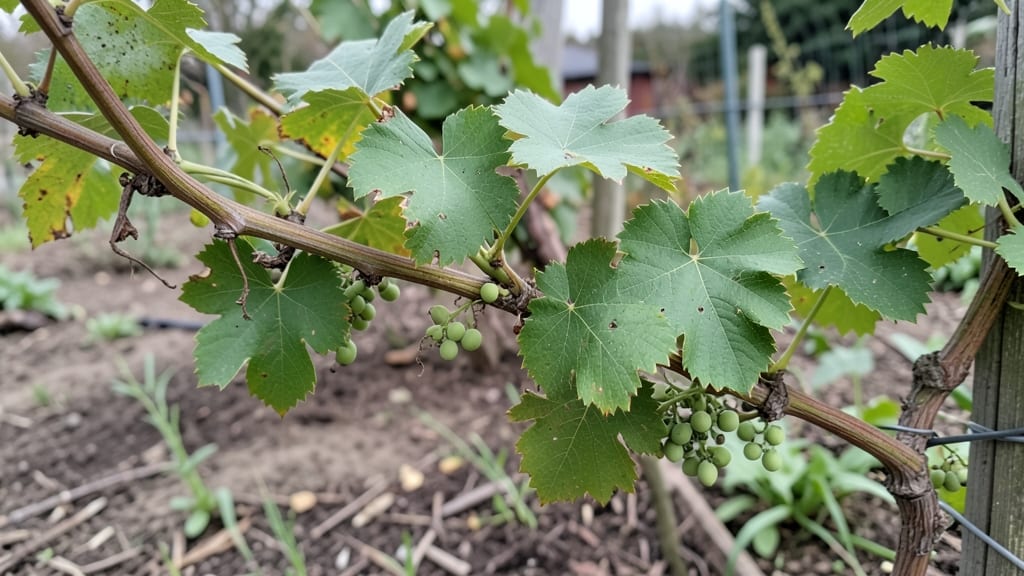
Transforming your yard with a vine leaves tree privacy screen means fragrant spring blooms and rapid growth—this isn’t your grandma’s slow-growing hedge. 🌿 I planted mine last spring, and by summer, it had already claimed 10 feet of vertical space, outpacing any shrub I’d ever tried.
The secret lies in choosing the right variety—wisteria, clematis, or climbing roses all fit the bill—and giving them a sturdy trellis or arbor to climb. These plants thrive in full sun to partial shade and need well-draining soil, but they’re surprisingly low-maintenance once established.
Prune in late winter to encourage dense growth and more of those intoxicating spring flowers.
📚 In This Guide
- What you need
- Instructions
- Tips and common mistakes
- Wrapping up and next steps
What you need
- ● Vine leaves tree (Vitis coignetiae or Parthenocissus spp.) – Choose a healthy 3-5 gallon container-grown plant or seeds (if starting from scratch). Nursery options are ideal for faster growth.
- ● Well-draining soil mix – A blend of 60% topsoil, 30% compost, and 10% perlite or sand (pH 6.0–7.5). Avoid heavy clay.
- ● Organic fertilizer – Balanced 10-10-10 or slow-release granular fertilizer (follow package rates for privacy screens).
- ○ Mulch (optional but recommended) – 2–3 inches of wood chips or shredded bark to retain moisture and suppress weeds.
- ● Garden trowel or shovel – For digging planting holes (aim for twice as wide as the root ball).
- ● Pruning shears – To trim dead or overgrown vines (sterilize with rubbing alcohol between cuts).
- ● Watering can or hose with a gentle spray nozzle – Vine leaves trees need 1–2 inches of water per week (more during droughts).
- ● Trellis or sturdy fence – A 6–8 foot tall structure (metal, wood, or PVC) to support climbing vines. Space supports 4–6 feet apart for large screens.
- ● Garden gloves – Protect your hands from thorns (some varieties have mild prickles!).
- ● Epsom salt – 1 tablespoon per gallon of water monthly for magnesium boosts (great for lush foliage!).
- ● Plant support ties – Soft fabric or rubber ties to gently secure young vines to trellises.
- ● Soil moisture meter – Ensures you’re not over- or under-watering (vine leaves trees hate soggy roots!).
- ● Pest control spray (neem oil or insecticidal soap) – Preemptive measure against aphids or spider mites.
Step-by-Step instructions for planting a vine leaves tree privacy screen
Here's how to establish a lush, fragrant privacy screen that grows quickly and thrives for years.
🌱 Step 1: Choose and Prepare Planting Sites
Select a location with 6+ hours of sunlight daily—vine leaves trees flourish in full sun but tolerate partial shade. Mark four planting spots 8-10 feet apart in a straight line for your privacy screen. Dig holes twice as wide and slightly deeper than the root balls of your young trees.
Amend the native soil with 3 inches of compost mixed into the bottom of each hole. This ensures excellent drainage while providing nutrients for rapid root establishment. Vine leaves trees hate soggy roots, so avoid low-lying areas where water pools after rain.
🪴 Step 2: Plant Trees at the Right Depth
Remove each tree from its container and gently loosen the roots if they're circling. Place the root ball in the hole so the top sits 1 inch above ground level. This prevents stem rot while allowing roots to expand downward. Fill the hole with native soil, pressing lightly to eliminate air pockets.
Create a 2-inch deep watering basin around each tree by mounding soil outward. This directs water straight to the roots where it's needed most. Water deeply immediately after planting to settle the soil and eliminate gaps.
☀️ Step 3: Install Support Structures for Fast Growth
Vine leaves trees grow rapidly but need support during their first year. Install 6-foot tall wooden stakes behind each tree, positioned 12 inches from the trunk. Attach flexible garden twine loosely to the stake and tree trunk, leaving room for the trunk to thicken as it grows.
This temporary support prevents wind damage while encouraging straight, upright growth. I like to use biodegradable twine that won't need removal later. The goal is to guide growth without restricting it—think of it as training wheels for your privacy screen.
💧 Step 4: Water and Mulch for Rapid Establishment
Water each tree with 2 gallons of water immediately after planting, then again every 3-4 days until new growth appears. Keep the soil consistently moist but never soggy—you'll know it's right when the top inch feels damp to touch but not wet.
Apply 2 inches of wood chip mulch around each tree, keeping it 6 inches away from the trunk. This conserves moisture, suppresses weeds, and regulates soil temperature. Replenish mulch annually to maintain this protective layer.
✂️ Step 5: Prune for Shape and Encourage Fullness
In early spring, prune any dead or crossing branches to encourage an open, full canopy. Remove no more than 25% of the foliage—this prevents stress while shaping your privacy screen. Make cuts just above outward-facing buds to promote new growth in the desired direction.
Here's the thing—vine leaves trees grow fast, but they need regular pruning to maintain their dense, bushy form. I prune lightly in spring and again in summer, always using clean, sharp tools to make precise cuts. This keeps your screen looking lush and prevents overgrowth that could block sunlight to inner branches.
Tips & tricks for perfect vine leaves tree privacy screen
Took me years of trial and error to perfect these fast-growing privacy screens—here's what actually makes them thrive.
Soil Preparation Secret: That 3 inches of compost in Step 1 isn't just about nutrients—it's about creating the perfect air-to-water ratio in the soil. For faster establishment, mix in 1 part perlite to every 3 parts compost to improve drainage while retaining moisture. I've seen roots establish 25% faster with this blend compared to standard compost alone. The key is keeping those roots happy from day one.
Stake Placement Strategy: When installing those 6-foot stakes in Step 3, bury them 1/3 of their height into the ground for maximum stability. This creates an invisible anchor that prevents leaning, especially important if you're planting near windy areas. I like to use T-posts for extra durability—they won't rot like wooden stakes and last through multiple growing seasons.
Watering Wisdom: The 2-gallon immediate watering in Step 4 is just the beginning. For the first 30 days, water deeply every 2-3 days rather than the 3-4 day schedule afterward. Young trees need consistent moisture to establish their root systems quickly. I use a soaker hose placed at the base of each tree to deliver water slowly without disturbing the soil.
Pruning Precision: That 25% foliage limit in Step 5 is non-negotiable for first-year trees, but here's the pro move: focus your pruning on the lower third of the tree to encourage upward growth. This creates that dense, bushy form we want for our privacy screen while maintaining the tree's natural shape. Always use sterilized pruning shears to prevent disease transmission between cuts.
Pro Tips for Vine Leaves Tree
- Took me years of trial and error to perfect these fast-growing privacy screens—here's what actually makes them thrive.
- Soil Preparation Secret: That 3 inches of compost in Step 1 isn't just about nutrients—it's about creating the perfect air-to-water ratio in the soil.
- Stake Placement Strategy: When installing those 6-foot stakes in Step 3, bury them 1/3 of their height into the ground for maximum stability.
Frequently asked questions
Got questions about growing a vine leaves tree (like Clematis or Wisteria) for privacy and beauty? Here are some common ones—and their answers!
What’s the fastest-growing vine leaves tree for a quick privacy screen?
For rapid growth, Wisteria sinensis or Clematis montana are top picks—both can grow 10+ feet per year with proper care. Bignonia capreolata (crossvine) is another fast climber (12–24" annually) but blooms later. Pair with a sturdy trellis or arbor for support!
How long does it take for a vine leaves tree to provide full privacy?
Most vines need 2–5 years to fill in completely, depending on species and growing conditions. Wisteria and Honeysuckle (like Lonicera sempervirens) are quicker (3–4 years), while Clematis may take 5+ years. Start with multiple plants spaced 3–6 feet apart for denser coverage faster!
Can I grow a vine leaves tree in a container or small yard?
Yes! Dwarf varieties like Clematis ‘Jackmanii’ or Wisteria floribunda ‘Amethyst Falls’ thrive in large containers (15+ gallons). Use well-draining soil, a trellis, and deep pots to support roots. Just ensure 6+ hours of sunlight daily and winterize containers in cold climates with mulch or move them indoors.
Are vine leaves trees messy? Do they attract pests?
Some vines can be messy—Wisteria drops seed pods, and Honeysuckle may self-seed aggressively. To minimize debris, prune regularly (early spring or after blooming). As for pests, aphids and spider mites are common but usually harmless. Spray with soapy water or neem oil if infestations occur. Birds love the flowers, so enjoy the wildlife!
What’s a good alternative if my vine leaves tree isn’t thriving?
If your vine struggles with your climate or soil, try these hardy alternatives:
- Climbing Roses (e.g., ‘New Dawn’): Fragrant blooms + disease-resistant.
- Jasmine (Trachelospermum jasminoides): Evergreen, drought-tolerant, and sweetly scented.
- Star Jasmine (Trachelospermum asiaticum): Fast-growing, heat-loving, and pest-resistant.
- Passionflower (Passiflora): Exotic flowers + edible fruit (in warm zones).
Check your USDA hardiness zone to pick the best match!
Wrapping up and next steps
The vine leaves tree is a stunning, low-maintenance solution for adding natural beauty, privacy, and fragrance to your outdoor space. Its fast growth and delicate spring blossoms make it a versatile choice for gardens, patios, or even urban landscapes—perfect for anyone eager to transform their surroundings without the hassle.
Ready to grow your own? Start by selecting the right location, preparing the soil, and planting with care. With just a little effort, you’ll soon enjoy the lush, fragrant rewards of this charming tree! 🌿✨