
Plants
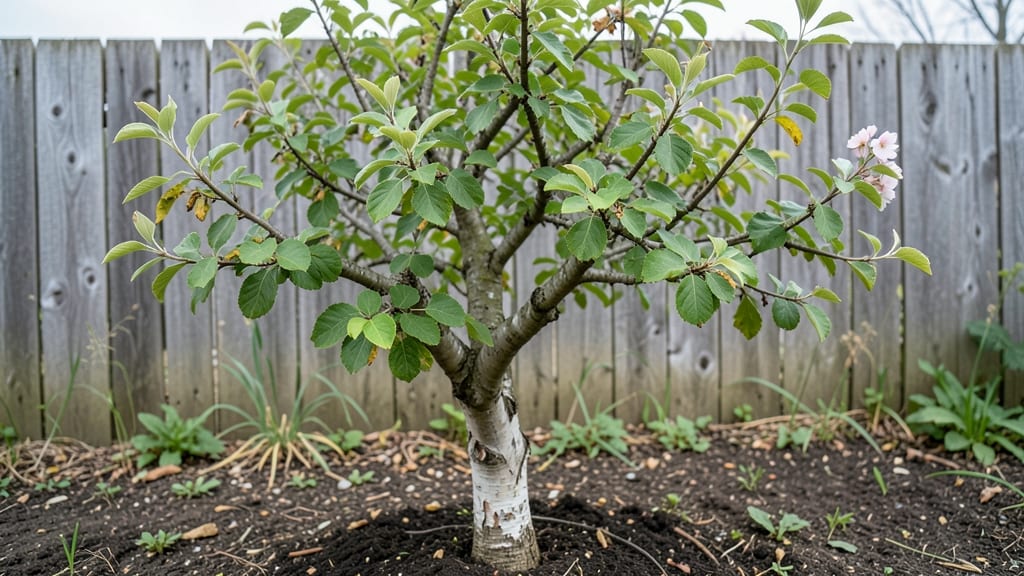
A crab apple tree looks like a small deciduous tree with dense, glossy green leaves, white or pink blossoms in spring, and clusters of hard, tart apples (1-2 inches wide) that stay on branches through winter. Its bark is smooth and grayish-brown, and mature trees typically grow 15-25 feet tall with a rounded canopy.
A crab apple tree stands out with its compact yet striking form, perfect for small gardens or urban landscapes. 🌳 These trees burst into bloom with fragrant white or rosy-pink flowers in early spring, creating a show that rivals flowering cherries.
Unlike their edible cousins, their fruit—though inedible raw—remains attached through fall and winter, offering year-round interest. The glossy, oval leaves (2-4 inches long) turn golden-yellow in autumn, adding seasonal contrast.
What sets them apart is their dual purpose: they're prized for both their ornamental beauty and their ecological benefits. 🌿 The persistent fruit provides food for wildlife long after other trees have shed theirs, while their dense foliage offers shade and privacy.
Many gardeners choose crab apples specifically for these traits, especially when space is limited but visual impact is desired.
💡 In This Article
- Identifying Crab Apple Tree Leaves and Fruit
- Comparing Crab Apple Trees to Ornamental Apple Varieties
Identifying crab apple tree leaves and fruit
The leaves of a crab apple tree are simple, oval-shaped with finely serrated edges, typically measuring between 2 to 4 inches in length.
Their texture is smooth and slightly leathery, with a vibrant glossy green hue that reflects light beautifully. 🌿 What makes them distinctive is their arrangement—alternating along the branches in a spiral pattern, creating a dense canopy that filters sunlight effectively.
This leaf structure helps the tree conserve water while maximizing photosynthesis during its growing season.
The fruit itself is where crab apples truly shine in identification.
These small apples (1 to 2 inches in diameter) come in stunning color variations—from deep reds and purples to bright yellows and oranges—often with a persistent calyx (the flower remnant) at the top that remains attached even after ripening.
Inside, each fruit contains 5 to 10 tiny seeds surrounded by a firm, tart flesh that's inedible raw but beloved by wildlife. The high seed count is a key differentiator from regular apple trees, which typically have 1 to 5 seeds per fruit.
Seasonal changes reveal even more about these trees. In autumn, their leaves transform into golden-yellow or fiery red hues, creating dramatic contrasts against the persistent fruit.
What's truly remarkable is how the fruit remains on the branches through winter—unlike most apple varieties—which provides food for birds and small mammals during harsh months. This winter retention is both an ecological advantage and a visual spectacle, with the bright fruits standing out against bare branches.
Here's what to look for when examining the bark: young trees have smooth, grayish-brown bark that develops subtle lenticels (porous spots) as they mature. Unlike some ornamental trees, crab apple bark doesn't develop deep fissures or rough textures, maintaining a relatively clean appearance.
The branches themselves are sturdy yet flexible, capable of supporting the weight of fruit clusters even in winter storms—a testament to their hardy nature.
One common point of confusion involves the flowering crab apple varieties (like Malus floribunda). While they share similar leaf shapes and bark, their fruit is often smaller (½ to 1 inch) and may not persist as long through winter.
The key difference lies in their primary purpose: ornamental crab apples are bred for showy flowers and minimal fruit production, while traditional crab apples prioritize both aesthetics and wildlife support through their persistent fruit.
For gardeners, recognizing these features is crucial when selecting trees. The leaf size, fruit persistence, and color variations all contribute to creating a multi-seasonal display that's both functional and beautiful.
Whether you're identifying an existing tree or choosing one for your landscape, these distinctive characteristics make crab apple trees instantly recognizable. 🌟