
How To
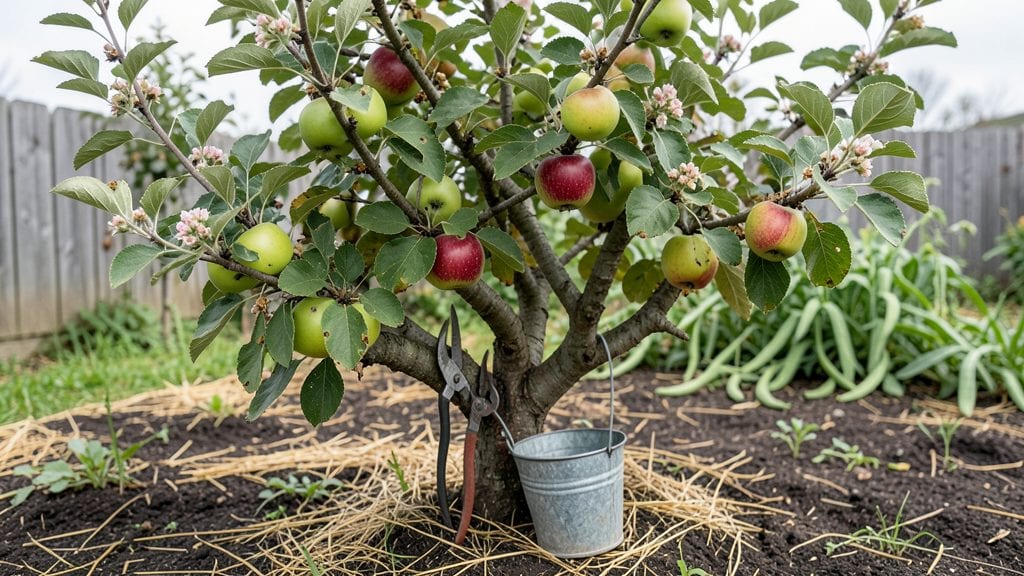
Picking apples from tree at the right time means the difference between bursting sweetness and mealy disappointment—so don’t wait until the last leaf falls.
Harvesting too early means tart, underripe fruit that won’t ripen further, while waiting too long risks soft, seedy apples that spoil faster. The key? Watching for that perfect blend of color, firmness, and stem separation—signs your 🍏 tree is ready to share its bounty.
In USDA Zone 6, most varieties ripen between late summer and early fall, but timing varies by type. A Granny Smith might need a crisp chill, while a Honeycrisp peaks in September heat.
Below, I’ll walk you through the exact cues to pick at peak flavor—so you never miss the window again.
You’ll learn how to test for ripeness, adjust for your local climate, and even store your harvest for months. No more guesswork—just perfectly timed, juicy apples every season.
Apple ripening stages by color: the exact timing guide
Understanding apple ripening stages by color is your first clue to harvesting at peak flavor. Apples don't all ripen at once—some varieties change from green to blush to full color over weeks, while others stay green until fully mature.
The key is knowing which stage your specific apple variety reaches when it's ready to pick.
For example, Granny Smith apples stay green until harvest, while Gala or Fuji develop vibrant red or yellow hues. Color alone isn't enough—you'll also need to check firmness and stem separation—but it's your starting point for timing.
Early-season varieties like McIntosh ripen as early as late August, while late-season Honeycrisp may wait until October or November.
Color changes signal shifts in sugar content and texture. A blush stage often means the apple is nearing readiness, but it's not time to harvest yet. Full color development—deep red, golden yellow, or rich green—usually aligns with peak ripeness, but you'll want to confirm with other tests.
Regional climate plays a role too. In warmer zones (USDA 8-10), apples may ripen 2-4 weeks earlier than in cooler Zone 5 or 6. Always adjust your expectations based on your local frost dates and growing season length.
Here’s how to use color as your guide, along with other key indicators:
| Stage | Color Indicators | Harvest Window | Key Varieties | Action |
|---|---|---|---|---|
| Green Stage | Pale green, no blush | Not ready | Granny Smith, Fuji (early) | Wait 2-4 weeks |
| Blush Stage | Light pink/red on cheeks | Nearly ready | Gala, Red Delicious | Check firmness |
| Full Color | Deep red, golden, or rich green | Harvest time! | Honeycrisp, McIntosh, Braeburn | Test stem & taste |
| Overripe | Dull color, soft spots | Too late | All varieties | Use for cooking |
Early-season apples like McIntosh or Jonagold often reach full color by late August to early September. These varieties are best eaten fresh within a few weeks, as they don’t store well.
Mid-season apples such as Gala or Golden Delicious peak in September and can last a few months in storage.
Late-season apples like Honeycrisp, Granny Smith, or Fuji develop their signature colors in October or November. These are your long-storage varieties—ideal for keeping through winter. Pay close attention to their stem separation and seed color (brown seeds mean ripeness).
If you're unsure whether your apple is ready, perform the stem twist test: Gently twist the fruit. If it separates cleanly from the stem with a slight pop, it’s ready.
If the stem snaps off cleanly but the fruit doesn’t budge, wait another week. Color alone can be misleading—always combine it with firmness and taste tests.
For storage apples, harvest slightly firmer than eating apples. Let them ripen indoors for a few days to develop full flavor. Store them in a cool, humid environment (30-40°F) to extend shelf life.
Apples continue ripening after picking, so don’t rush—wait for that perfect balance of color, firmness, and aroma.
Pro tip: Keep a harvest journal to track when your specific apple varieties reach full color each year. Note the date, color stage, and any weather anomalies—this helps you refine your timing for future seasons. Over time, you’ll develop an instinct for when your tree’s fruit is at its peak.
🍏
5 Key signs your apples are ready to pick (beyond color)
While apple skin color gives clues, the best harvest timing comes from testing ripeness cues hidden beneath the surface. I’ve learned that waiting for full color can mean missing the peak flavor window—or worse, picking apples that’ll spoil faster.
The secret? Combining tactile tests, aroma checks, and even seed color for foolproof results every season.
Climate plays a huge role too. In warmer zones (USDA 8+), apples may ripen earlier, while cooler regions (USDA 5-6) often need that extra week. I’ll show you how to adjust your timing based on where you garden—and whether you’re eating fresh or storing for winter.
Let’s dive into the 5 non-negotiable signs your apples are ready to pick.
-
1. Stem Separation Test
Gently twist the fruit—if the stem snaps cleanly (not pulls out), it’s ready! -
2. Firmness with Give
Press gently—ripe apples yield slightly (like a ripe avocado), not rock-hard. -
3. Seed Color Check
Cut one open—brown seeds mean peak ripeness; white seeds = underripe. -
4. Aroma Test
Sniff near the stem—sweet, fruity scent = ready; no smell = wait longer. -
5. Variety-Specific Days
Fuji: 140–160 days; Gala: 120–140 days; Granny Smith: 150–180 days.
Let’s start with the stem separation test, my go-to method for avoiding those frustrating "almost ready" apples. Grab a fruit and twist gently—if the stem snaps off with a slight crack (not a slow pull), you’ve hit the sweet spot.
I’ve picked apples that passed this test only to find them mealy later, so I double-check with the firmness test next. Press your thumb into the apple’s skin: ripe fruit gives just a tiny bit, like pressing a ripe peach.
For storage apples (like Honeycrisp or Granny Smith), I prioritize this test over color. These varieties often stay firm longer but develop complex sugars only when the stem separates easily. Pro tip: If you’re storing, pick slightly firm but yielding apples—they’ll ripen further in cool storage.
For eating apples (like McIntosh), I aim for that slight softness to enjoy them at their juiciest.
Don’t overlook the seed color—it’s a dead giveaway for ripeness. Cut one open (use a clean knife!) and check the seeds: deep brown means peak ripeness, while white or pale seeds signal underripe fruit.
I learned this trick from a local orchardist who swore by it for consistent harvests. Pair this with the aroma test: hold an apple near your nose and sniff the stem end. A rich, sweet fragrance confirms ripeness; no smell means wait another week.
Climate adjustments are critical. In hotter zones (USDA 9+), apples may ripen 10–14 days earlier than the variety’s average. I’ve seen Gala apples ready by early September in Arizona, while in cooler Pacific Northwest, they might not peak until mid-October.
For winter storage, pick apples 2–3 weeks before their usual harvest date—they’ll soften slightly in storage but retain flavor. Always label varieties and harvest dates to track what works in your microclimate.
Finally, combine these tests with your variety’s known timeline. For example, Fuji apples typically ripen in 140–160 days, while Granny Smith take 150–180 days.
I keep a harvest journal to note when my trees hit these milestones—it’s saved me from picking too early (or too late!) year after year. With these signs, you’ll never miss the perfect harvest window again.