
How To
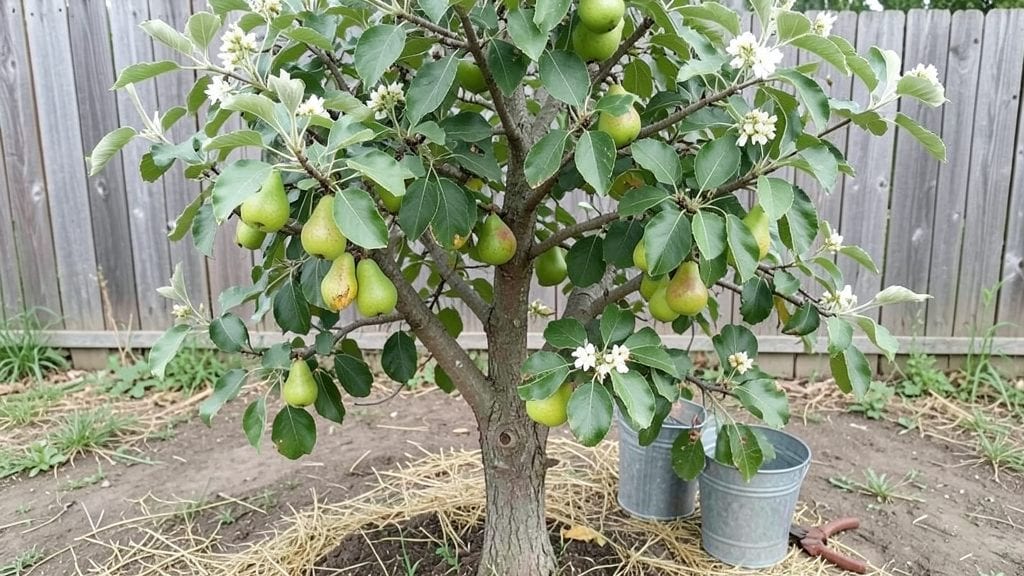
Picking pears from your tree at the right time means the difference between a bursting, honey-sweet bite and a bland, mealy disappointment—so timing is everything.
Picture this: you’ve waited all season for your 🍐 pear tree to fruit, only to pluck a green, hard pear that tastes like nothing but disappointment. That’s the risk when you don’t know the exact signs of ripeness—or when to act on them.
Here’s what you need to know: pears ripen on the tree, not after picking, so color changes, stem separation, and even the scent play a role.
In USDA Zone 6a, that window opens in late summer and stretches into fall, but the real secret lies in the fruit’s texture and aroma.
Below, I’ll walk you through the five foolproof ripeness tests that guarantee you’ll never miss the perfect harvest—and what to do once you’ve got them in hand.
How to identify the perfect time to pick pears using 5 proven ripeness tests
Picking pears at the wrong time can turn your harvest into a disappointing, mushy mess. Unlike apples, pears must ripen off the tree to reach peak sweetness—but knowing exactly when to pick ensures you get that perfect balance of flavor and texture.
The key lies in combining visual cues, tactile tests, and even scent. I’ve harvested hundreds of pears over the years, and these 5 foolproof methods will help you never miss the window again.
Most pear varieties—like Bartlett, Bosc, and Asian pears—signal ripeness differently, so I’ll break down each test with variety-specific tips. Whether you’re growing a backyard orchard or just one tree, these tricks will transform your harvest from "meh" to "magnificent."
Let’s dive into the 5 ripeness tests that guarantee you’ll pick pears at their prime.
- 1. Color Change: Look for deepened hues—Bartletts turn golden-yellow, Bosc pears develop rusty brown spots, and Asian pears shift to dull green or yellow. Avoid pears that are still bright green or unblemished.
- 2. Stem Twist Test: Gently grasp the pear’s stem and twist slightly. If it separates cleanly (with a tiny "pop"), it’s ready. If the stem resists or snaps off, wait a few days.
- 3. The Thump Test: Hold the pear in your palm and gently press with your other hand. A ripe pear will yield slightly (like a ripe avocado) but won’t feel mushy. If it’s rock-hard, it’s too soon; if it’s squishy, it’s overripe.
- 4. Scent Check: Give the pear a light sniff. A ripe pear emits a sweet, floral aroma. If there’s no scent or a fermented smell, it’s not ready—or it’s past its prime.
- 5. Seed Pit Test: Cut a pear in half and check the seed pit. If it’s fully brown and dry, the pear is ready. A white or green pit means it needs more time on the tree.
Let’s start with the most obvious sign: color changes. Pears don’t ripen like tomatoes—they need to develop their final hue before picking.
For Bartlett pears, look for a shift from green to golden-yellow. Bosc pears, on the other hand, develop rusty brown spots or a deep russet color. Asian pears, like Korean or Japanese varieties, turn from bright green to dull green or pale yellow.
Pro tip: Don’t wait for full color—some varieties (like Bosc) may never reach their peak color off the tree.
The stem twist test is my go-to method because it’s foolproof. Hold the pear’s stem between your thumb and index finger, then twist gently. A ripe pear will detach easily with a slight resistance—almost like unscrewing a jar lid.
If the stem hangs on stubbornly, the pear needs more time. Conversely, if the stem snaps off cleanly without twisting, the pear might be overripe. This test works best in the late morning when pears are slightly warmer and more pliable.
Next up: the thump test, a tactile trick that tells you exactly how firm (or soft) your pear is. Place the pear in your palm and press gently with your other hand. A ripe pear should yield slightly—imagine pressing a ripe peach.
If it feels like a baseball, it’s too hard; if it’s mushy or dented, it’s overripe. For Asian pears, which are crunchier, they should still give a little but won’t be as soft as European varieties.
Test a few pears on the tree to compare—you’ll quickly learn what "just right" feels like for your specific variety.
Your nose knows more than you think! A ripe pear releases ethylene gas, which triggers its sweetening process and gives off a subtle, floral scent. Hold a pear near your nose and take a deep breath. If you smell nothing, it’s not ready.
If you detect a sweet, honey-like aroma, that’s your cue to pick. Bartlett pears often have the strongest scent, while Bosc pears may have a more earthy, spicy note. Overripe pears, however, emit a fermented or vinegary smell—a sure sign to skip them.
The seed pit test is the ultimate ripeness indicator because it reveals what’s happening inside the fruit. Cut a pear in half and check the seed pit (core). If it’s fully brown and dry, the pear is ready to pick.
A white or green pit means the pear needs more time on the tree. This test is especially useful for Asian pears, which can look ripe on the outside but need more internal development. Save a few pears for this test—it’s worth the small sacrifice for a perfect harvest.
Timing matters, especially if you’re in a warmer climate. Pears in USDA Zones 8-10 may ripen earlier (as early as August) compared to cooler zones where harvest stretches into October.
Keep a harvest journal to track when your specific variety ripens—factors like tree age, sun exposure, and watering habits can shift ripening by a week or more. For example, a young pear tree (under 5 years old) may produce smaller, slower-ripening fruit compared to a mature tree.
One common mistake I see is picking pears based on calendar dates alone. Just because it’s September doesn’t mean your Bosc pears are ready—some years, they’ll linger until October. Instead, combine at least 3 ripeness tests (like color + stem twist + scent) to confirm readiness.
If you’re unsure, pick a few extra pears and ripen them indoors—it’s better to have spares than miss the window
Common mistakes that ruin pear ripeness (and how to avoid them)
Even experienced gardeners sometimes fall into traps that turn perfect pears into mealy disappointments. The biggest mistake? Assuming pears ripen like apples—many varieties must ripen off the tree to reach peak sweetness. Others, like Bartlett pears, ripen fully on the branch but need precise timing.
Regional climate also plays a role: cooler zones (like USDA Zone 5) may delay ripening by 2-3 weeks compared to warmer Southern climates.
Another critical error is overlooking variety-specific cues. Bosc pears stay firm and crisp when ripe, while Asian pears develop a slight waxy bloom. Picking too early—before the seed pit turns fully brown—means your fruit will lack flavor, no matter how long you store it.
Conversely, leaving pears on the tree past their prime can attract pests or diseases, ruining your entire harvest.
🌱
⚠️ When to Pick Pears From Tree: The Critical Window
Mistake: Waiting for full color change or softness—both are late signs that often mean the fruit is overripe or rotten.
Correct Approach: Harvest when 70-80% of the fruit shows variety-specific color (e.g., yellow for Bartletts, red blush for Bosc) AND the fruit gives slightly when gently pressed near the stem. Stem separation (twisting the fruit until it detaches cleanly) is the #1 indicator for most varieties.
Regional Adjustment: In warmer climates (Zones 8-10), pears may ripen 2 weeks earlier than in cooler zones (Zones 4-6). Watch for local frost dates—pears won’t ripen after a hard freeze.
One of the most costly mistakes is mixing up tree-ripe and off-tree-ripe varieties. European pears (like Bartlett) need ethylene gas (released by apples or bananas in storage) to soften after picking, while Asian pears ripen on the tree and should be harvested firm.
Ignoring this rule leads to underripe or overripe fruit that’s inedible. Always check your pear variety’s ripening habits before planting!
Climate also dictates harvest timing shifts. In Pacific Northwest regions, pears often ripen in late September, while Southeastern gardens may see harvests as early as mid-August. A frost watch is essential: pears won’t ripen after temperatures drop below 28°F.
Use row covers or harvest early if frost threatens—unripe pears can still ripen indoors with proper care.
Finally, storage mistakes compound harvest errors. Pears picked too early or too late won’t sweeten properly, even in ideal storage. Tree-ripe pears (like Bosc) should be stored at 30-32°F with 90-95% humidity, while off-tree-ripe varieties (like Bartlett) need ethylene exposure to develop flavor.
A simple paper bag with an apple can trigger ripening, but only if the pears were harvested at the right time!
By avoiding these common pitfalls—like ignoring variety cues, misjudging climate impacts, or skipping ripening tests—you’ll unlock pears that are juicy, sweet, and bursting with flavor.
The key is patience and precision: watch, test, and adapt to your local growing conditions. Your taste buds (and your tree!) will thank you.