
Pests and Diseases
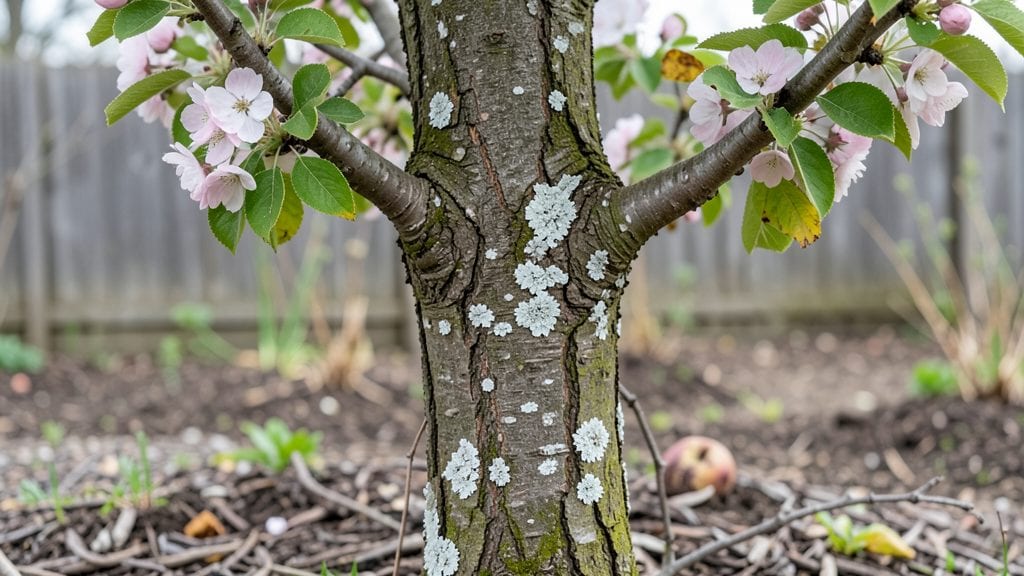
That white fungus creeping up your apple tree bark isn’t just unsightly—it could be silver leaf fungus, a sneaky disease that weakens trees and ruins fruit. 🌿 I’ve seen it turn a healthy orchard into a shadow of itself, and the key to saving your tree is acting fast before it spreads.
The first step is telling whether it’s harmless lichen or something dangerous that needs treatment.
Silver leaf fungus starts as a pale, powdery coating on bark and branches, but it quickly turns leaves silvery-gray and brittle. Unlike powdery mildew, which stays on leaves, this fungus invades the wood itself, blocking water flow and starving the tree.
Other culprits like lichen or moss are harmless but can make your tree look neglected—so don’t assume it’s safe until you’re sure.
Once you confirm it’s silver leaf, prune infected branches 6 inches below the white growth and sterilize your tools with rubbing alcohol. For organic control, apply a copper fungicide spray every 2 weeks during wet seasons, and remove fallen leaves to stop spores from spreading.
If the tree is already stressed, it might need professional help to recover.
Prevention is easier than cleanup: thin branches for airflow, water at the base (not overhead), and keep grass trimmed away from the trunk. A healthy tree fights off fungus better, and catching it early means the difference between a quick fix and losing your tree entirely.
Let’s get it under control before it’s too late.
Fungal Growth Triggers Explained
When you spot that unsettling white, fuzzy film creeping up the bark of your apple tree, it’s rarely a coincidence—it’s usually the result of a perfect storm of conditions.
Understanding these triggers is the first step to stopping the spread and protecting your fruit-bearing champion. Let’s break down the science behind why this fungal menace takes hold.
Fungi thrive in damp environments, and apple trees are no exception. Silver leaf fungus (Chondrostereum purpureum), the culprit behind that eerie white growth, loves moisture—especially when bark stays wet for prolonged periods. Here’s why:
- Rainfall or overwatering: Heavy, frequent rain or inconsistent watering (like splashing water onto the trunk) creates a soggy surface, giving fungal spores the ideal breeding ground.
- Poor drainage: Compacted soil or clay-heavy ground traps moisture against the bark, preventing it from drying out. Trees planted in low-lying areas or with mulch piled too close to the trunk are at higher risk.
- Morning dew: While dew itself isn’t harmful, if it lingers for hours—especially in shaded or humid climates—it extends the window for fungal spores to germinate.
💡 Pro Tip: If your tree sits in a damp spot, consider improving drainage with organic matter (like compost) or a slight mound of soil around the base to encourage runoff.
Fungal infections often exploit openings in the tree’s armor. Apple trees with physical wounds—from pruning cuts, storm damage, or even insect burrows—become high-risk targets. Here’s how it plays out:
- Improper pruning: Cuts made with dull tools or too close to the trunk create jagged edges that don’t heal properly, inviting fungal entry. Always prune in dry conditions and use clean, sharp tools.
- Insect damage: Borers (like the apple bark beetle) create tunnels that weaken the bark, making it easier for fungi to colonize.
- Stress from drought or disease: A tree already battling pests (like aphids) or environmental stress has a harder time mounting a defense against fungal invaders.
🔥 Action Step: Inspect your tree’s bark for cracks, peeling, or oozing sap—these are red flags. Seal minor wounds with a fungicide-pruner sealant (like Tanglefoot Tree Wound Pruning Sealer) to block fungal access.
Silver leaf fungus doesn’t just appear overnight—it’s often a seasonal opportunist. Warm, humid conditions (ideal for fungal spores) combined with specific timing make trees vulnerable:
- Spring and fall: These transitional seasons offer moderate temperatures (60–75°F) and high humidity, perfect for spore germination. Cooler nights and warm days create the "dew point" effect, keeping moisture trapped.
- Shaded or dense canopies: Trees growing under other trees or in shaded areas retain moisture longer, slowing evaporation and prolonging fungal activity.
- Older trees: Mature apple trees with thick bark may harbor dormant fungal spores for years, flaring up when conditions align.
✨ Prevention Hack: Thin out dense branches in late winter to improve airflow and sunlight penetration. This disrupts the fungus’s love of damp, dark conditions.
Fungi don’t work alone—they hitchhike. If your tools, soil, or neighboring plants are already infected, your apple tree is in the crosshairs. Here’s how it happens:
- Reused pruning tools: Fungal spores can linger on blades or saws, transferring to healthy trees during pruning. Always disinfect tools with rubbing alcohol or a 10% bleach solution between uses.
- Infected nursery stock: Buying or grafting trees from an infected source introduces the fungus directly into your orchard.
- Nearby infected trees or wood: Stumps, fallen logs, or even ornamental trees (like lilacs or roses) can harbor the same fungus and spread spores via wind or water.
🎯 Quarantine Tip: If you suspect a neighboring tree is infected, avoid pruning during wet weather and wear gloves to prevent accidental transfer.
By tackling these root causes—moisture, wounds, climate, and contamination—you’ll disrupt the fungus’s lifecycle and give your apple tree a fighting chance. Next up: how to identify and treat the infection before it spreads further.
How to Fix Fungal Bark Issues
Now that you’ve identified the culprit—likely silver leaf fungus (Chondrostereum purpureum) or another bark-infecting pathogen—it’s time to act. The good news? With the right approach, you can save your apple tree and prevent future outbreaks.
Below, we’ll break down targeted solutions based on the cause, along with prevention tips to keep your tree thriving.
If the fungus has already taken hold, aggressive pruning is your best first step. Infected bark won’t recover, so removing it stops the spread.
🍳 How to Prune Correctly
- 🔪 Use sterilized tools: Dip pruners in rubbing alcohol (70% or higher) or a 10% bleach solution before and after each cut to avoid cross-contamination.
- 🌳 Cut 6–12 inches below the visible infection: Fungal hyphae (thread-like roots) can spread inward, so don’t just trim the obvious white patches.
- 🔥 Burn or dispose of infected branches: Do not compost them—this spreads spores.
Seal in a trash bag or burn (if local regulations allow). - 🌡️ Time it right: Prune on a dry, wind-free day to reduce spore dispersal.
⚠️ Pro Tip:
If the tree is heavily infected, consider removing the entire tree to prevent soil-borne spores from reinfecting nearby plants. Small, isolated cases can often be managed with pruning alone.
For severe or recurring infections, fungicides can help suppress the fungus and protect healthy bark.
💡 Best Fungicide Options
| Type | Active Ingredient | How to Apply | Best For |
|---|---|---|---|
| Contact Fungicide | Copper sulfate | Spray on bark (follow label rates) | Early-stage infections |
| Systemic Fungicide | Propiconazole (e.g., Banner Maxx) | Soil drench or trunk injection | Advanced infections, high-risk trees |
| Organic Option | Neem oil or potassium bicarbonate | Spray on bark (reapply every 7–14 days) | Mild cases, organic gardens |
🎯 Application Tips
- 🌧️ Apply in the early morning or late evening to avoid sunburn on the bark.
- 💦 Cover the entire trunk and major branches, not just visible spots.
- 🔄 Reapply every 2–4 weeks during wet or humid conditions (fungi thrive in moisture).
- ✨ For stubborn cases, combine pruning + fungicide for best results.
A strong, healthy tree resists fungal attacks better. Focus on these long-term fixes:
💪 Boost Tree Vitality
- 🌱 Water deeply but infrequently: Overwatering creates moisture-loving fungi.
Water at the base (not overhead) and ensure proper drainage. - 🍃 Mulch properly: Use 2–4 inches of organic mulch (wood chips, straw) 3 inches away from the trunk to prevent bark rot. - 🍎 Fertilize wisely: Test soil first!
Apple trees need balanced NPK (10-10-10) but avoid over-fertilizing (weakens bark). - ☀️ Ensure sunlight: Thin out crowded branches to improve airflow—fungi love damp, shaded bark.
🚫 Avoid Common Mistakes
- ❌ Don’t wound the tree: Rough pruning or girdling (removing bark rings) invites infection.
- ❌ Skip winter care: Seal pruning cuts with pruning sealant (or beeswax) to prevent fungal entry.
- ❌ Ignore nearby debris: Remove fallen leaves, dead branches, and leaf litter around the tree—these harbor spores.
Even after treatment, silver leaf fungus spores can linger in the soil or on tools. Here’s how to break the cycle:
🔄 Annual Maintenance Checklist
- 🔍 Inspect bark twice a year (spring and fall) for silvery sheen, oozing sap, or cankers.
- 🧼 Sterilize tools before and after pruning (even for healthy trees).
- 🌿 Plant resistant varieties (e.g., Liberty or Enterprise apple trees) if reinfection occurs.
- 🌍 Monitor neighboring trees: Fungus spreads via root grafts—check nearby fruit trees.
- 🌧️ Adjust irrigation: Use drip irrigation instead of sprinklers to keep bark dry.
If your tree is large, valuable, or severely infected, consult an arborist. They can:
- Perform trunk injections of systemic fungicides.
- Assess structural damage from cankers.
- Recommend resistant rootstock if replanting.
🍏 The Bottom Line: With pruning, fungicides, and preventive care, you can reverse white fungus damage and protect your apple tree for years. Act fast—the sooner you treat it, the better the chances of a full recovery! 🌿🔥
Frequently asked questions
Is all white fungus on apple tree bark harmful?
Not always—some white growth like lichen or moss is harmless and won’t damage your tree. However, silver leaf fungus or powdery mildew can weaken the tree and reduce fruit production. Check for symptoms like wilting leaves, oozing sap, or a silvery sheen on leaves to confirm if it’s dangerous.
How do I tell if it’s silver leaf fungus vs. lichen?
Silver leaf fungus appears as a white, fuzzy coating that spreads under the bark, often accompanied by silvery-gray leaves that become brittle. Lichen, on the other hand, grows on the surface, looks crusty or leafy, and doesn’t invade the wood. Scrape a small area—if it reveals healthy bark underneath, it’s likely lichen.
Can I use household vinegar to treat white fungus on my apple tree?
Vinegar can help as a natural fungicide in mild cases, but it’s not a standalone solution. Mix 1 part white vinegar with 3 parts water and spray on affected areas during early morning to avoid burning the bark. For severe infections, combine it with pruning and a dedicated fungicide for better results.
Will removing infected branches kill the fungus entirely?
Pruning removes visible signs, but spores may still linger in the soil or on tools. To fully eliminate the fungus, sterilize your tools, dispose of infected branches properly (don’t compost), and apply a fungicide to prevent reinfection. Repeat treatments every 2-4 weeks during wet seasons for best results.
How long does it take to see improvement after treatment?
With proper pruning and fungicide, you may notice slowed spread within 2-4 weeks. Full recovery depends on the tree’s health and the severity of the infection. For advanced cases, it could take several months to see significant improvement—consistent care is key.