
Featured
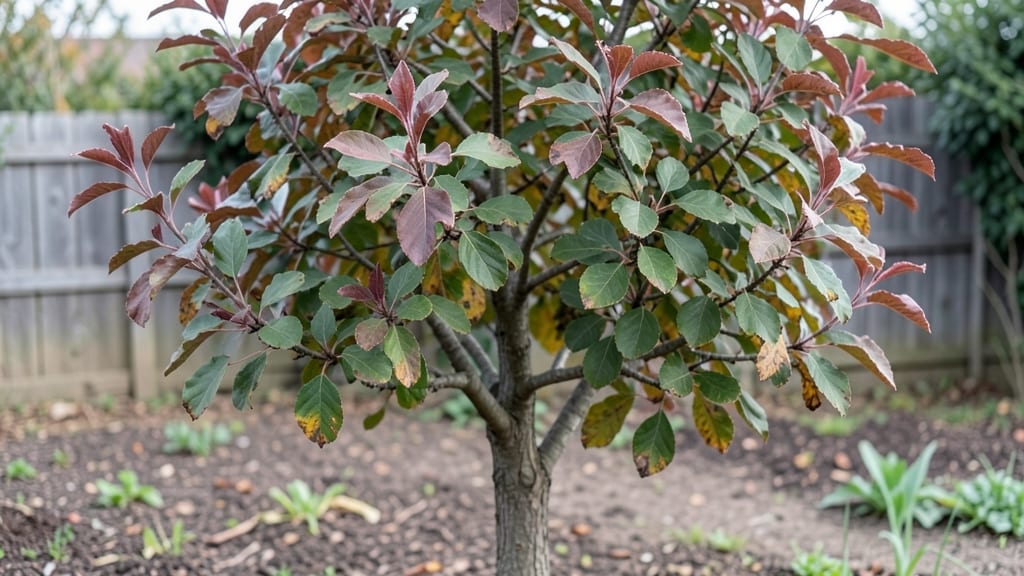
Apple tree leaves turning red isn’t always a cause for alarm—sometimes it’s just nature’s way of putting on a stunning show before winter. 🌿 I’ve seen my own orchard trees blush with fiery hues every fall, and while it’s beautiful, not all red leaves mean your tree is healthy.
The key is figuring out whether your tree is simply embracing autumn or sending distress signals.
The most common culprits are nutrient deficiencies, like low phosphorus or potassium, which can trigger early color shifts. Fungal diseases like anthracnose or bacterial spots often leave red or brown patches with a telltale powdery coating or oily sheen on the leaf undersides.
Even environmental stress—think sudden heatwaves or early frosts—can force leaves to turn red prematurely. The trick is checking for other symptoms: wilting, spots, or stunted growth.
If it’s a nutrient issue, a balanced fall fertilizer can restore vibrancy before winter sets in. For fungal or bacterial problems, targeted treatments like copper sprays or fungicides might be needed.
But if your tree is otherwise thriving and the red appears gradually across the canopy, you’re likely witnessing a natural seasonal shift—just enjoy the show before the leaves fall.
Here’s the thing—some apple varieties, like ‘Red Delicious’ or ‘Gala,’ are genetically prone to red-tinged foliage. If your tree fits that description and has no other issues, you’re in luck: it’s just flaunting its autumn genes.
The real work starts when you notice irregular patterns or accompanying damage, which we’ll tackle next with step-by-step diagnostics.
Behind nature’s autumn blaze
When apple tree leaves transform into fiery reds, oranges, and purples, it’s not just a seasonal spectacle—it’s a biological masterpiece. The shift from green to vibrant hues is triggered by a mix of natural processes, environmental cues, and even the tree’s own survival strategies.
Let’s uncover the science behind this stunning transformation.
The star of the show is chlorophyll, the pigment that gives leaves their green color year-round. As daylight shortens and temperatures drop in autumn, trees sense the change and start photodegrading chlorophyll—breaking it down to reclaim nutrients like nitrogen and phosphorus.
Without chlorophyll, other pigments hidden beneath the green surface finally get their moment to shine.
- Key trigger: Shorter daylight hours (less than 12 hours of sunlight) signal the tree to stop producing chlorophyll.
- Actionable tip: 💡 If your apple tree’s leaves are turning red earlier than expected, check for nearby shade from other trees—less light can accelerate chlorophyll loss.
While chlorophyll fades, anthocyanins—the pigments responsible for red, purple, and blue hues—take center stage. These antioxidants form in the leaves as a protective response to:
- Sunlight exposure: Bright autumn sun triggers anthocyanin production, especially in cooler temperatures.
- Nutrient stress: Trees with limited nitrogen or phosphorus may produce more anthocyanins to shield leaves from damage.
- Tree genetics: Some apple varieties (like ‘Red Delicious’ or ‘Jonagold’) are bred to produce more anthocyanins naturally.
Fun fact: Anthocyanins aren’t just pretty—they act like sunscreen for leaves, reducing UV damage before they fall! 🌡️
Cooler nights (between 40–50°F / 4–10°C) and warm days create the perfect conditions for anthocyanin production. Here’s how it works:
| Factor | Effect on Leaf Color |
|---|---|
| Cold nights | Slows sugar production, allowing anthocyanins to develop more intensely. |
| Sunny days | Boosts photosynthesis, creating excess sugars that fuel pigment production. |
| Dry soil | Stresses the tree, concentrating sugars and pigments in leaves. |
Pro tip: ✨ If your apple tree’s leaves are turning brown instead of red, it might be due to too much water or nutrient overload—balance is key!
Not all red leaves are a sign of a healthy autumn. If your apple tree’s leaves turn red unexpectedly (e.g., mid-summer or with curled edges), it could indicate:
- Pests or disease: Spider mites, aphids, or fungal infections (like apple scab) can cause stress-induced reddening. Look for yellowing, spots, or webbing.
- Nutrient deficiencies: Too much phosphorus or not enough nitrogen can trigger premature color changes. Test your soil to diagnose!
- Herbicide drift: Exposure to lawn chemicals can mimic autumn stress. Inspect nearby treated areas.
Red flag: 🔥 If leaves drop early or the tree looks weak, consult a local arborist—intervention may be needed.
Nature’s palette isn’t just for show—it’s a finely tuned system of survival, chemistry, and timing. Next time you see an apple tree ablaze with red, remember: it’s not just autumn’s artistry at work, but centuries of evolutionary brilliance! 🍂
Quick Fixes for Red Apple Leaves
If your apple tree’s leaves are turning a stunning red but you’re unsure whether it’s natural or a sign of trouble, don’t panic! Most causes—whether seasonal, environmental, or health-related—have practical solutions. Below, we break down the cause and the fix, plus tips to keep your tree thriving year-round. 🌿🍎
If your apple tree’s leaves are simply embracing autumn’s palette, there’s nothing to fix—this is a natural process! However, you can still support your tree for next year.
🌡️ Prevention Tips for Healthy Autumn Foliage
- 💡 Water wisely: Deep watering (1–2 inches per week) helps roots absorb nutrients, ensuring vibrant fall colors. Avoid overwatering, which can stress the tree.
- 🍂 Mulch like a pro: Apply 2–3 inches of organic mulch (like wood chips or straw) around the base to retain moisture and regulate soil temperature.
- 🌱 Feed in early spring: Use a balanced fertilizer (10-10-10) in late winter to boost growth before the next color change.
- ✨ Prune strategically: Remove dead or crossing branches in late winter to improve airflow and sunlight exposure for even coloring.
If red leaves appear unexpectedly (e.g., mid-summer, with wilting or spots), your tree might be under stress or battling a condition. Here’s how to diagnose and treat:
🔍 Identify the Issue First
| Symptom | Likely Cause | Quick Fix |
|---|---|---|
| Yellow-red edges | Overwatering or fungal disease (e.g., apple scab) | ⏰ Reduce watering; 🍄 Apply copper fungicide in spring. |
| Purple-red leaves | Phosphorus deficiency or drought stress | 💡 Test soil pH; 🌱 Add bone meal (high in phosphorus). |
| Spotted or crinkled leaves | Pests (aphids, mites) or bacterial spot | 🔪 Spray neem oil; 🍃 Remove heavily infested leaves. |
| Premature leaf drop | Extreme heat, poor drainage, or root rot | 🌧️ Improve drainage; 🌿 Aerate compacted soil. |
👨🍳 Step-by-Step Treatment Plan
- 🔥 Assess the damage: Check for pests (look under leaves) or fungal spots (black/gray patches).
- 🍳 Treat the root cause:
- Fungal issues? Apply a fungicide (like Myclobutanil) in early spring and after rain.
- Nutrient deficiency? Amend soil with compost or a slow-release fertilizer.
- Pests? Blast leaves with water to dislodge aphids, or use insecticidal soap.
- 🥘 Monitor progress: Reapply treatments every 2–4 weeks until new growth appears healthy.
- 🌱 Boost resilience: Mulch heavily and water deeply to reduce future stress.
Sudden temperature swings (like late frosts or scorching summers) can shock apple trees into turning red. Protect your tree with these adjustments:
💡 Heat Stress Solutions
- 🌿 Provide shade: Use shade cloth (30–50%) during peak summer heat to prevent leaf scorch.
- 💦 Increase watering frequency: Water early in the morning to reduce evaporation.
- 🌱 Plant companion trees: Windbreaks (like pine or spruce) can buffer temperature swings.
❄️ Cold Stress Solutions
- 🍂 Mulch thicker: Add 4–6 inches of mulch in late fall to insulate roots.
- 🌡️ Use frost blankets: Cover young trees with frost cloth on cold nights (below 28°F).
- 🌱 Avoid late pruning: Prune in late winter/early spring to prevent new growth from freezing.
Prevent red leaves from becoming a recurring issue with these proactive habits:
- 📊 Test soil annually: Aim for a pH of 6.0–7.0; adjust with lime (to raise pH) or sulfur (to lower it).
- 🍎 Choose disease-resistant varieties: If your tree is prone to issues, opt for cultivars like ‘Liberty’ or ‘Enterprise’ next time.
- 🌱 Rotate fertilizers: Alternate between organic (compost) and synthetic (balanced NPK) to avoid nutrient lockout.
- 🔍 Inspect regularly: Catch problems early by checking leaves monthly for discoloration or pests.
With these fixes, your apple tree will bounce back—whether its red leaves are a seasonal masterpiece or a cry for help. Happy gardening! 🌟
Frequently asked questions
Is it normal for apple tree leaves to turn red in summer?
No, summer reddening is not normal—it usually signals stress. Check for pests (like spider mites), fungal diseases (such as anthracnose), or nutrient deficiencies (like phosphorus overload). If leaves appear crispy or curled with red edges, act quickly by treating with neem oil or adjusting soil pH.
How can I tell if red leaves are natural autumn color or a problem?
Natural autumn red is gradual, even across the canopy, and occurs when days shorten (12 hours of sunlight). Problematic red appears suddenly, with spots, curling, or premature leaf drop. Flip leaves to check for pests or fungal growth—if the undersides are clean, it’s likely seasonal.
Will fertilizing my apple tree prevent red leaves?
Not always—over-fertilizing (especially with phosphorus) can cause red leaves. Use a balanced 10-10-10 fertilizer in early spring, and test soil pH annually (ideal: 6.0–7.0). If red appears mid-season, reduce nitrogen and focus on potassium-rich amendments like wood ash.
Can I save my apple tree if leaves turn red from disease?
Yes, but act fast! For fungal issues (like apple scab), apply copper fungicide in spring and after rain. Prune infected branches 12 inches below the damage, and remove fallen leaves. If bacterial spot is suspected, use streptomycin spray—but avoid overuse to prevent resistance. Monitor progress weekly.