
How To
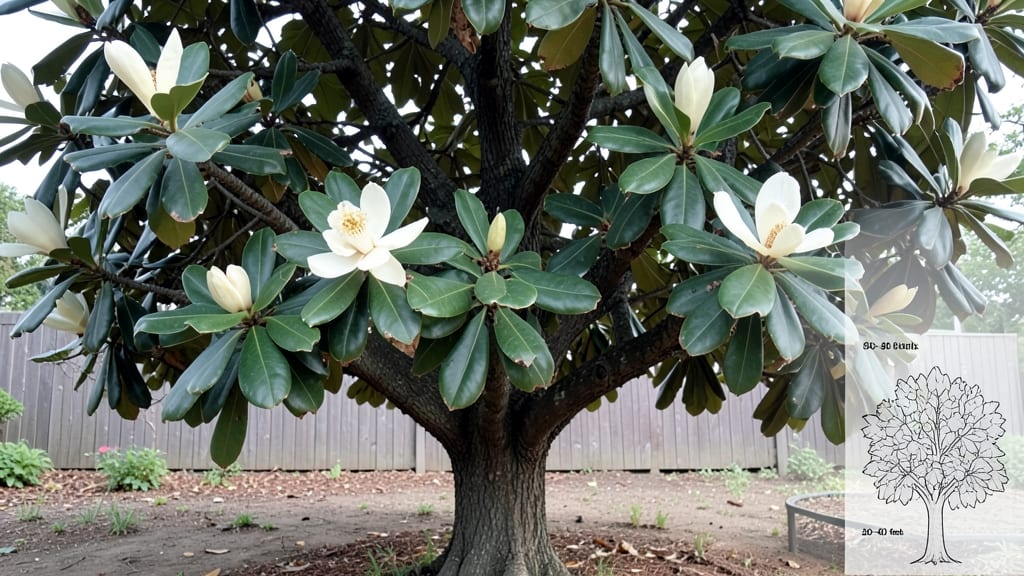
Wondering how tall a magnolia tree can grow, you’ll find the answer depends entirely on the variety—some stay dwarfed at just 10 feet, while others stretch to a breathtaking 120 feet.
Imagine planting a sapling in spring that someday casts shade over your entire backyard—or worse, realizing too late that your "small" magnolia is actually a 50-foot monster with no room to grow.
The key to getting the right size lies in choosing the right species and giving it the conditions it craves.
Some magnolias, like the star magnolia (Magnolia stellata), stay under 20 feet and bloom early with fragrant white flowers, while others, like the southern magnolia (Magnolia grandiflora), reach heights of 80 feet or more and demand space like a living skyscraper.
Whether you want a shade tree, a privacy screen, or a showstopper for your front yard, picking the right type makes all the difference.
In this guide, I’ll break down the height ranges by variety, share pruning tips to control growth, and reveal the secrets to encouraging—or slowing—your magnolia’s ascent. Ready to plan your perfect tree?


Magnolia tree height by variety: small to giant growth ranges
Choosing a magnolia tree means deciding whether you want a small statement plant or a shade-providing giant. The mature height varies dramatically—from 10-foot dwarf varieties to 120-foot towering giants.
Your yard’s size, sunlight, and soil type will determine which magnolia thrives best. Let’s explore the height ranges and ideal conditions for 10+ popular varieties.
Before planting, check your USDA hardiness zone and available space.
Most magnolias prefer well-draining, slightly acidic soil (pH 4.5–6.5) and morning sun with afternoon shade in hot climates. Dwarf varieties like Magnolia stellata ‘Royal Star’ need 6 hours of sun, while sun-loving giants like Magnolia grandiflora tolerate full sun.
Here’s a quick comparison of small, medium, and giant magnolias to help you visualize their mature sizes. Use this as a guide to match your landscape goals—whether you’re aiming for a privacy screen, a focal point, or a container-friendly accent.
For small spaces, Magnolia stellata ‘Royal Star’ is a dwarf powerhouse with stunning pink blooms and a compact form. It’s perfect for containers or urban gardens where space is limited.
If you love fragrant flowers, Magnolia ‘Jane’ or Magnolia ‘Black Tulip’ are excellent medium-height choices that thrive in partial shade.
If you’re aiming for a statement tree, Magnolia grandif
How to control magnolia tree height naturally: pruning and care tips
Magnolia trees can grow from compact shrubs to towering giants, but their final height isn’t set in stone. With the right pruning techniques and growth management, you can steer your tree toward your ideal size—whether that’s a dwarf variety for a small yard or a taller specimen for shade.
The key lies in understanding when to prune, how much to remove, and which tools to use. Let’s dive into the natural ways to control your magnolia’s height without harsh chemicals or drastic measures.
Before grabbing your shears, remember that magnolias are slow-growing trees compared to many others. Their growth rate averages 12–24 inches per year, but this can vary wildly based on your soil quality, sunlight exposure, and watering habits.
For example, a Magnolia grandiflora might reach 80–100 feet in ideal conditions, while a Magnolia stellata stays cozy at 15–25 feet. Your goal is to nudge the tree toward your preferred height by influencing these factors.
Step-by-Step Guide to Pruning and Managing Magnolia Height
-
Step 1: Choose the Right Time
Prune your magnolia in late winter or early spring (before buds swell) to avoid late-season growth that can’t harden off before winter. Avoid pruning in fall, as new growth may not survive frost. -
Step 2: Use the Right Tools
Gather sharp bypass pruners for small branches, loppers for thicker stems, and a pruning saw for large limbs. Sterilize tools with rubbing alcohol to prevent disease spread. -
Step 3: Remove Dead or Crossing Branches
Start by cutting out dead wood, diseased branches, and any limbs rubbing against others. This improves airflow and reduces stress on the tree, encouraging healthier growth. -
Step 4: Control Height with Strategic Cuts
To reduce height, cut back up to 1/3 of the branch length just above an outward-facing bud. Avoid cutting into the main trunk or large limbs, as this can harm the tree’s structure. -
Step 5: Encourage Fullness with Thinning
Thin out overcrowded branches to allow sunlight to reach the inner canopy. This promotes denser foliage and reduces the risk of limb breakage during storms. -
Step 6: Adjust Growth with Soil and Water
Well-draining, acidic soil (pH 5.0–6.0) and consistent moisture (but not soggy) encourage faster growth. For slower growth, reduce watering slightly and avoid heavy fertilization in the first few years. -
Step 7: Mulch and Monitor
Apply 2–4 inches of mulch around the base (keep it 6 inches from the trunk) to retain moisture and regulate soil temperature. Monitor your tree’s growth annually and adjust pruning as needed.
One of the biggest mistakes gardeners make is over-pruning to control height quickly. Magnolias are sensitive to aggressive cuts, and removing too much at once can shock the tree or even kill it. Instead, aim for small, gradual adjustments over several years.
For example, if you’re growing a Magnolia grandiflora and want to keep it under 30 feet, prune back 5–10% of its height annually rather than hacking off large limbs all at once.
Sunlight plays a surprising role in height control. Magnolias grown in partial shade tend to grow taller and leggier as they stretch toward light, while those in full sun develop denser canopies and slower vertical growth.
If your tree is outpacing your plans, consider moving it to a slightly shadier spot or adding a light-colored shade cloth during peak summer hours to slow its ascent.
Finally, avoid the temptation to fertilize heavily to speed up growth—this can backfire by making your magnolia vulnerable to pests and disease. Instead, focus on organic matter like compost or a slow-release fertilizer in early spring.
With patience and the right techniques, you’ll guide your magnolia to the perfect height for your space—without sacrificing its beauty or health.