
Trees
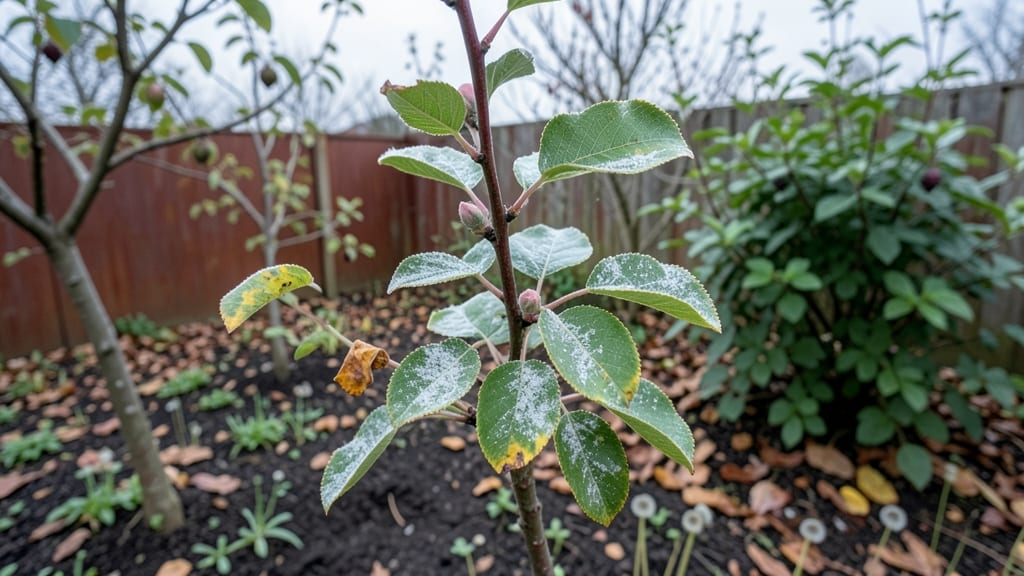
Powdery mildew on trees turns leaves into ghostly white webs, and I’ve watched it steal the life from my apple trees if I don’t act fast. The good news? You can stop it before it spreads—no harsh chemicals needed.
This guide cuts through the guesswork with clear steps to identify, prevent, and treat mildew on common trees like fruit trees, oaks, and maples.
Most gardeners miss the early signs: white, powdery spots on leaves that spread like snow in summer. Humid mornings and tight tree spacing create the perfect fungal buffet.
But here’s the secret—pruning for airflow and a few organic sprays can turn the tide before mildew ruins your harvest or weakens your tree’s roots.
By next spring, your trees will be thriving with vibrant green leaves instead of struggling under fungal weight. We’ll cover exactly what to spray (and when), how to clean up infected branches, and when to call in a pro for stubborn cases.
Your trees deserve better than a slow decline—let’s fix this.
Whether you’re dealing with powdery mildew or cystospora canker, the same principles apply. Early action is everything, and I’ll show you how to spot the difference between treatable mildew and deeper infections that need expert help. Your trees will thank you.
The Hidden Triggers Behind Tree Mildew
Mildew isn’t just an unsightly problem—it’s a fungal party waiting for the right conditions to explode. Understanding why it strikes your trees is the first step to stopping it before it spreads.
Below, we break down the key culprits, from environmental factors to tree health, with science-backed explanations and actionable insights.
Fungal spores love dampness, and mildew thrives when trees are bathed in excess moisture. Here’s why:
- Prolonged Leaf Wetness: Mildew spores germinate within 4–6 hours of leaf surfaces staying wet. Heavy dew, rain, or overhead irrigation (like sprinklers) create the perfect breeding ground. Pro tip: 🌡️ Aim for less than 12 hours of leaf wetness per day to disrupt fungal growth.
- Poor Air Circulation: Dense foliage or trees planted too closely trap humidity. Fungal spores spread faster in stagnant, moist air. Solution: Prune to improve airflow and space trees at least 6–10 feet apart (depending on the species).
- Soil Saturation: Waterlogged roots weaken trees, making them susceptible to stress-related infections. Watch for: 💡 Yellowing leaves, stunted growth, or mushrooms sprouting near the base—signs of root rot or excess moisture.
A tree fighting malnutrition is like a person with a compromised immune system—mildew sees it as an open invitation. Key deficiencies include:
| Nutrient | Symptoms | How It Invites Mildew |
|---|---|---|
| Nitrogen (N) | Pale, yellow leaves; slow growth | Weakens cell walls, making leaves easier targets for fungal penetration. |
| Phosphorus (P) | Dark green or purple stems; poor root development | Delays energy transfer, slowing recovery from stress or damage. |
| Potassium (K) | Brown leaf edges; weak stems | Reduces disease resistance and drought tolerance. |
Action step: 🔥 Conduct a soil test (DIY kits are affordable) and amend with compost or organic fertilizers like fish emulsion or bone meal to restore balance.
Sunlight is nature’s fungicide—it dries leaves and inhibits spore growth. Mildew loves:
- Low-Light Conditions: Trees under dense canopies or buildings stay damp longer. Fix: Thin out overhanging branches or plant mildew-prone species (like lilacs or roses) in sunny, open areas.
- Competition for Resources: Overcrowded trees compete for water and nutrients, weakening their defenses. Rule of thumb: 🌳 Space deciduous trees 20–30 feet apart and evergreens 10–15 feet apart.
Mildew often flares up during transitional seasons when trees are adjusting to temperature or daylight changes:
- Spring Warmth + Lingering Moisture: Cool springs with frequent rains create ideal conditions. Monitor: 🎯 New growth in spring is most vulnerable—apply preventive sprays (like neem oil) before mildew appears.
- Fall Humidity Traps: Warm, damp autumns (e.g., "Indian summer") delay leaf drop, leaving foliage moist for weeks. Tip: 🍂 Rake up fallen leaves promptly—they harbor spores and recycle moisture to the soil.
Key takeaway: Mildew doesn’t happen in a vacuum—it’s the result of perfect storms of moisture, stress, and poor conditions. By addressing these root causes, you can starve out the fungus before it takes hold. Next, we’ll dive into organic solutions to reclaim your trees’ health.
Quick Fixes for Fungal Foes
Mildew on trees isn’t just an eyesore—it can weaken your greenery over time. But don’t worry! With the right approach, you can reverse the damage and keep your trees thriving. Below, we’ve mapped out targeted solutions based on the most common causes of mildew, from overcrowded branches to poor airflow.
Each fix is designed to be practical, organic, and effective—no harsh chemicals required.
When branches grow too close together, moisture gets trapped, creating the perfect breeding ground for mildew. The fix? Strategic pruning to improve airflow.
- 🔪 Step 1: Identify Problem Areas Look for branches that are rubbing against each other or blocking sunlight. These are prime spots for mildew to take hold.
- 🌱 Step 2: Thin Out the Canopy Use clean, sharp pruning shears to trim back 1/3 of the thickest branches. Focus on the inner canopy first, where light and air struggle to reach.
- 🌬️ Step 3: Space Out Growth If your tree is a shrub or hedge, space out trims so new growth has room to breathe. Aim for a 30-50% reduction in density for best results.
- 💡 Pro Tip: Prune on a dry, sunny day to help wounds heal faster and reduce the risk of spreading spores.
Mildew loves damp conditions, so if your tree is sitting in soggy soil or getting overwatered, it’s time to dry things out.
- 💧 Step 1: Check Your Watering Habits Most trees prefer deep but infrequent watering. Water at the base of the tree (not the leaves) and avoid overhead sprinkling, which can leave foliage wet for hours.
- 🏡 Step 2: Improve Soil Drainage If your tree is in a pot or a poorly draining area, amend the soil with compost or perlite to help excess water drain away. For in-ground trees, consider a French drain if water pools around the roots.
- ☀️ Step 3: Encourage Sunlight If your tree is shaded by taller plants or structures, mildew will thrive. Trim nearby obstructions to let at least 6 hours of sunlight reach the foliage daily.
- 🌡️ Pro Tip: Water in the early morning so leaves dry out before evening humidity sets in.
If mildew is already visible, you’ll need to treat it directly while also addressing the root cause. These organic solutions are tough on mildew but gentle on your trees.
- 🍳 Step 1: Mix a Baking Soda Spray Combine 1 teaspoon of baking soda, 1 tablespoon of vegetable oil, and 1 teaspoon of mild dish soap in 1 quart of water. Spray both sides of infected leaves until fully coated.
- 👨🍳 Step 2: Apply Neem Oil (For Stubborn Cases) Neem oil is a powerful antifungal that disrupts mildew spores. Mix 2 teaspoons of neem oil with 1 quart of water and 1 teaspoon of soap. Spray in the early morning or late evening to avoid burning leaves.
- 🌱 Step 3: Repeat Every 7-10 Days Mildew can return quickly, so reapply treatments every week until new growth is free of spores (usually 4-6 weeks).
- ✨ Pro Tip: For severe infestations, add 1 tablespoon of hydrogen peroxide (3%) to your spray mix—it acts as a natural disinfectant.
The best defense is a good offense! Once you’ve treated the mildew, keep it from coming back with these long-term strategies.
- 🌿 Mulch Properly Apply a 2-4 inch layer of organic mulch (like wood chips or straw) around the base of the tree, but keep it 6 inches away from the trunk to prevent rot.
- 🍂 Clean Up Debris Fallen leaves and twigs harbor mildew spores. Rake and remove debris regularly, especially in the fall and spring.
- 🌱 Choose Resistant Varieties If you’re planting new trees, opt for mildew-resistant species like serviceberry, oak, or hawthorn. Check with your local nursery for recommendations.
- 💨 Improve Garden Layout Avoid planting trees too closely together. Give them at least 6-10 feet of space (depending on the species) to ensure proper airflow.
With these targeted fixes, your trees will bounce back healthier than ever. The key is acting fast, staying consistent, and giving your greenery the right conditions to thrive. Happy gardening! 🌳💚
Frequently asked questions
How do I tell if white spots on my tree are mildew or just dust?
Mildew appears as powdery white or gray patches that spread across leaves, while dust usually stays in small clusters and can be wiped away. Rub a finger gently over the spots—if the white residue remains, it’s likely mildew. Also check for yellowing leaves or distorted growth, which are common with fungal infections.
Can mildew kill my tree if I don’t treat it?
Severe mildew infections can weaken trees over time by blocking sunlight and clogging leaf pores, but they rarely kill mature, healthy trees outright. The real danger is secondary infections or stress that makes trees vulnerable to pests or disease. Act fast to prevent long-term damage—especially on young or fruit-bearing trees.
What’s the fastest way to stop mildew from spreading?
Prune infected branches immediately (sterilize shears with rubbing alcohol between cuts) and apply a baking soda spray (1 tsp baking soda + 1 tbsp oil + 1 tsp soap per quart of water). Spray in the morning on dry leaves to prevent spores from spreading via wind or water. Repeat every 7-10 days until new growth appears clean.
Will mildew come back next year if I treat it now?
Yes, mildew often returns if you don’t address the root causes—like poor airflow or overwatering. For long-term prevention, improve spacing between trees, mulch properly, and apply preventive sprays (like neem oil) in early spring before new growth appears. Clean up fallen leaves annually to remove overwintering spores.