
Diseases
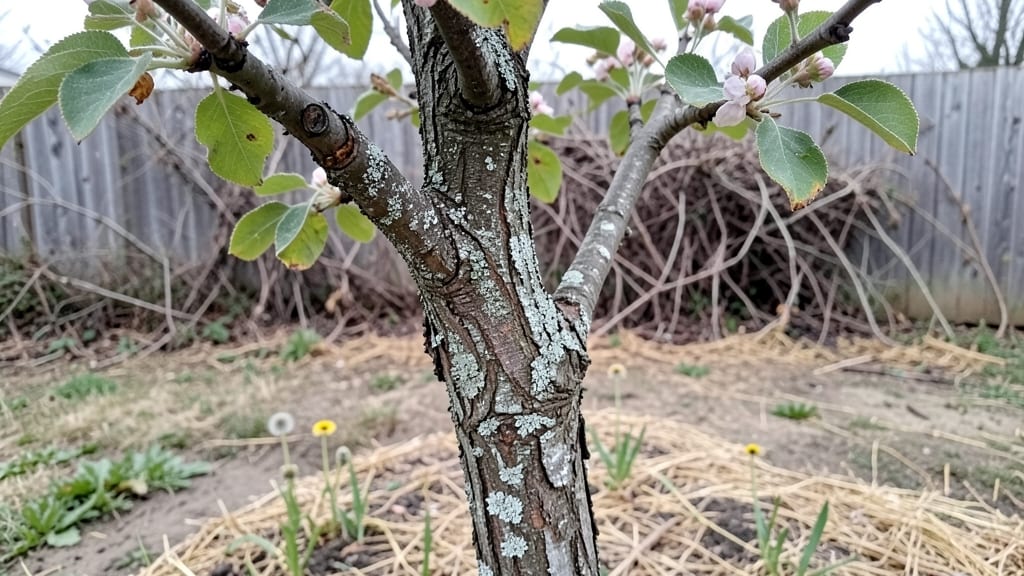
That white powder on your tree bark isn’t dust—it’s powdery mildew, and it’s stealing your tree’s energy. 🌿 I’ve watched this fungal film spread from delicate leaves to stubborn bark, turning vibrant foliage into a sad, dusty mess. The good news? You don’t need harsh chemicals to fight back.
This problem thrives in shady, humid spots where air can’t circulate. Maple, apple, and lilac trees are especially vulnerable, but almost any tree can get it if conditions are right.
The key to stopping it? Pruning for airflow, cleaning up fallen leaves, and using simple organic sprays like neem oil or baking soda mix.
Within weeks, you’ll see fresh green leaves pushing through again as the mildew fades. The trees I’ve treated this way bounce back stronger, with fewer spots and more energy for growth. And the best part? No toxic sprays lingering in your yard.
For stubborn cases where the bark stays discolored or the tree looks weak, it’s time to call an arborist. But for most gardeners, these steps work wonders—no fancy tools or expensive products required.
Root Causes of Fungal Growth
Powdery mildew thrives on tree bark like an unwelcome houseguest—it doesn’t just appear out of nowhere. Understanding why this fungal infection takes hold is the first step to stopping it before it spreads. Below, we break down the key factors that turn your tree’s bark into a mildew buffet.
Fungi love humidity and stagnant air—like a sauna for spores.
When trees grow too closely together or have dense foliage, airflow is restricted, creating the perfect breeding ground for powdery mildew. Why? The lack of movement traps moisture on bark surfaces, giving fungal spores a damp, shaded environment to germinate and spread.
- Thick foliage blocks sunlight, keeping bark damp longer.
- Tight spacing between trees reduces evaporation, prolonging moisture.
- Urban or shaded areas with little wind exacerbate the problem.
Pro tip: 💡 Prune branches to improve airflow—aim for a 20-30% reduction in density to let sunlight and air reach the bark.
Water is the fungus’s best friend. While trees need hydration, overwatering or poor drainage can drown bark tissues, creating a soggy canvas for mildew. Even morning dew or frequent rain can leave bark surfaces wet for too long, triggering spore germination.
- Overhead irrigation (like sprinklers) wets bark directly, inviting fungi.
- Compacted or clay soil slows drainage, keeping roots and bark moist.
- Frequent heavy dew in humid climates provides a 24/7 damp environment.
Pro tip: 🌡️ Water at the base of the tree (not the bark) and avoid late-day watering to allow foliage to dry before nightfall.
Sunlight is nature’s fungicide—UV rays inhibit spore growth. When trees are planted in shady spots or under dense canopies, their bark stays cooler and damper, creating ideal mildew conditions. Why? Fungi thrive in low-light environments because they don’t compete with photosynthesis.
- North-facing bark (in the Northern Hemisphere) gets less sun exposure.
- Buildings or tall trees cast permanent shade on trunks.
- Thick mulch layers (over 4 inches) can suffocate bark and trap moisture.
Pro tip: ✨ If relocating isn’t an option, reflect sunlight with light-colored mulch or strategic pruning to expose more bark to UV rays.
A tree under stress is like an open invitation for fungi. Poor soil nutrition, drought, or root damage weakens the bark’s natural defenses, making it easier for powdery mildew to colonize. Why? Healthy bark produces antifungal compounds—when stressed, these defenses falter.
- Nitrogen deficiency leads to thin, weak bark vulnerable to fungal attachment.
- Compacted roots from construction or foot traffic reduce nutrient uptake.
- Sudden environmental changes (e.g., moving a potted tree indoors) shock the tree.
Pro tip: 💪 Boost tree health with balanced fertilizer (high in potassium and phosphorus) and mulch properly (2-3 inches) to retain moisture without suffocating roots.
Now that you know the why, the next step is addressing these conditions—because a few simple fixes can turn your tree’s bark from a mildew magnet into a resilient fortress. Stay tuned for natural remedies that skip the fungicides!
Revive Your Tree’s Health Naturally
Powdery mildew on tree bark might seem like a lost cause, but with the right approach, your trees can bounce back—without harsh chemicals! The key is addressing the root causes while boosting the tree’s natural defenses.
Below, we’ve mapped out practical, fungicide-free solutions tailored to common triggers, plus prevention tips to keep mildew at bay for good.
Cause: Dense foliage traps moisture, creating a mildew-friendly environment. Fix:
- 🔪 Thin out branches to improve airflow, especially in shaded or tightly clustered areas. Aim to remove 10–20% of the canopy if growth is overly dense.
- 🌿 Prune in late winter or early spring (before mildew season peaks) to reduce stress on the tree.
- 🌡️ Space young trees at least 6–10 feet apart, depending on the species, to prevent future crowding.
Pro Tip: 💡 Use sterilized pruners (wipe with rubbing alcohol) to avoid spreading spores to healthy branches.
Cause: Overwatering, poor drainage, or frequent bark wetting fuels mildew. Fix:
- ⏰ Water deeply but less often—early morning is best to allow foliage to dry by evening.
- 🌧️ Avoid overhead watering (use drip irrigation or soaker hoses near the base).
- 🪴 Improve soil drainage by adding compost or organic matter to heavy clay soils. For potted trees, ensure pots have drainage holes.
- 🌬️ Use a fan on hot, humid days to dry leaves faster (especially for potted or greenhouse trees).
Pro Tip: ✨ Mulch properly—keep mulch 2–4 inches away from the trunk to prevent moisture buildup against the bark.
Cause: Weak trees with low nitrogen or phosphorus are more susceptible to mildew. Fix:
- 💪 Apply balanced fertilizer (10-10-10 or 5-10-10) in early spring to strengthen growth.
- 🥗 Boost with compost tea (homemade or store-bought) for a natural nutrient and microbial boost.
- 🍎 Target slow-release options like worm castings or fish emulsion to avoid overfeeding.
Pro Tip: 🎯 Test your soil (DIY kits are affordable) to confirm deficiencies before fertilizing—too much can harm roots!
Cause: Sap-sucking pests (aphids, mites) weaken trees, making them mildew magnets. Fix:
- 👨🍳 Blast pests off with a strong spray of water (early morning works best).
- 🌿 Introduce beneficial insects like ladybugs or lacewings to keep populations in check.
- 🔥 Use neem oil spray (1 tsp per quart of water) as a fungicidal and pesticidal treatment. Reapply every 7–10 days until mildew clears.
Pro Tip: 🔥 Avoid broad-spectrum insecticides—they can kill beneficial predators and worsen mildew by stressing the tree.
Cause: Heat stress, drought, or transplant shock weakens bark defenses. Fix:
- 🌿 Provide shade cloth (30–50% coverage) for young or heat-sensitive trees during peak summer.
- 💧 Deep-water during droughts—trees under stress are more vulnerable.
- 🪴 For newly planted trees, water 2–3 times per week for the first month to reduce shock.
Pro Tip: 🌡️ Mulch heavily (3–4 inches) to retain moisture and regulate soil temperature.
Once your tree recovers, prevent recurrence with these habits:
- 🌿 Prune regularly to maintain airflow.
- 💧 Water at the base, never the leaves.
- 🌱 Choose resistant varieties (e.g., lilacs, serviceberries, or disease-resistant apple trees).
- 🍃 Clean up fallen leaves in autumn—mildew spores overwinter here!
- 🌱 Monitor for early signs (white powder, yellowing leaves) and act fast.
Final Note: Consistency is key—mildew won’t vanish overnight, but with these targeted fixes, your tree’s bark and foliage will regain their vigor in 4–8 weeks. 🌳✨
Frequently asked questions
How do I tell if white powder on my tree is powdery mildew?
Look for a white or gray powdery coating on bark, leaves, or buds—this is the hallmark of powdery mildew. Unlike dust, it won’t wipe away easily and often appears on the undersides of leaves or shaded bark first. Check for yellowing leaves or stunted growth, which signal the tree is struggling against the fungus.
Can I save my tree if the mildew is already on the bark?
Yes! Start by pruning affected branches to improve airflow, then apply a neem oil spray (1 tsp per quart of water) every 7–10 days until the mildew clears. Healthy trees recover faster—boost them with balanced fertilizer and proper watering at the base (not the bark).
Will rain wash away powdery mildew?
Rain alone won’t eliminate mildew—it can actually spread spores if the tree is already infected. While rain helps clean surfaces, you’ll still need to prune for airflow and apply organic treatments like baking soda spray (1 tsp baking soda + 1 quart water + a drop of dish soap) to stop regrowth.
Are some tree species more prone to powdery mildew?
Yes! Apple, lilac, maple, and rose trees are especially vulnerable due to dense foliage. However, even resilient species like oaks can get it if conditions are right. Choose disease-resistant varieties (e.g., ‘Liberty’ apple trees) and prioritize airflow to reduce risk for all trees.
When should I call an arborist for bark mildew?
If the bark is cracked, peeling excessively, or the tree shows signs of dieback (dead branches), it’s time to consult a professional. Severe cases may require targeted fungicides or structural pruning—don’t wait until the tree is stressed beyond recovery.