
Leaf Blower
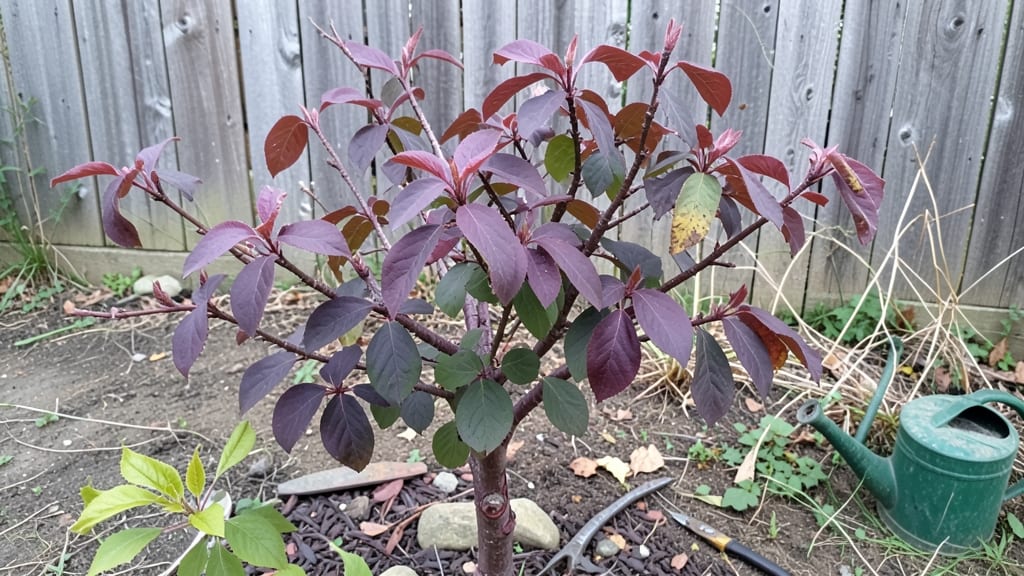
Your purple leaf plum tree’s vibrant foliage shouldn’t turn into a sad, crispy mess. 🌿 I’ve seen these trees go from showstoppers to struggling within months when problems hit—usually from overwatering or fungal infections. The good news? Most issues fix fast with the right moves.
Leaf scorch and powdery mildew are the top villains, but pests like aphids and borers sneak in too. I’ve caught early signs by checking the undersides of leaves and bark crevices—where problems hide.
The key is acting before the tree’s roots or branches weaken, which can happen in as little as 2-3 weeks if ignored.
You’ll learn to spot the difference between drought stress and disease, plus how to treat each without harsh chemicals. My go-to fix for mildew? A baking soda spray (yes, really)—it’s organic, cheap, and works in 5-7 days if you’re consistent.
The goal? Keep your tree’s signature purple leaves bold and healthy all season.
Works for backyard trees, container-grown plums, and even those in tough urban spots. Let’s get your tree back to its stunning best before the next heatwave hits.
Root Causes Behind Tree Struggles
Understanding why your purple leaf plum tree (Prunus cerasifera) develops issues starts with recognizing the environmental, biological, and cultural stressors at play. These trees are prized for their stunning foliage, but their vibrant purple leaves and delicate nature make them vulnerable to specific problems.
Below, we break down the key culprits—backed by science—and why they trigger distress.
Purple leaf plums are hardy but sensitive to sudden temperature swings, particularly in their native Mediterranean climate.
When exposed to: - Frost damage (below 15°F/-9°C): Ice crystals form in leaf cells, rupturing membranes and causing brown, crispy edges or blackened branches. - Heat stress (above 95°F/35°C): High temperatures disrupt photosynthesis, leading to yellowing (chlorosis) or premature leaf drop. - Late spring frosts: New growth is especially vulnerable—buds may blacken or flowers abort, reducing fruit set.
Why it happens: Plum trees rely on cold acclimation (a physiological process where cells produce protective proteins). If temperatures rise too quickly in spring, the tree can’t adjust fast enough, leading to oxidative stress—a cascade of cellular damage.
Purple leaf plums thrive in well-draining soil but are prone to hydric stress (water-related damage) due to: - Overwatering: Soggy roots suffocate the tree, promoting root rot (caused by Phytophthora fungi).
Symptoms include wilting despite moist soil and mushy, dark roots. - Underwatering: Shallow roots dry out, triggering leaf scorch (brown, papery edges) and stunted growth. The tree may also drop buds prematurely.
Why it happens: Plums have shallow, fibrous root systems that need consistent moisture but hate waterlogged conditions. Overwatering cuts off oxygen, while drought stress forces the tree to close stomata (leaf pores), halting nutrient uptake.
Purple leaf plums are magnets for pests, especially when stressed.
The most damaging culprits: - Aphids & Scale Insects: These sap-sucking pests inject toxins, causing sticky honeydew (leading to sooty mold) and yellow, curled leaves. - Japanese Beetles: Adults skeletonize leaves, while grubs devour roots, weakening the tree’s structure. - Plum Borers (Conotrachelus spp.): Larvae tunnel into branches, creating D-shaped exit holes and oozing sap.
Why it happens: Pests target trees with weakened immune responses (often due to poor nutrition or drought). Their saliva contains enzymes that disrupt chlorophyll production, turning leaves bronze or white (a condition called aphid-induced chlorosis).
Purple leaf plums prefer slightly acidic to neutral soil (pH 6.0–7.0) but often suffer from: - Iron deficiency (chlorosis): Purple leaves turn yellow between veins due to unavailable iron in alkaline soil (pH > 7.0).
The tree can’t produce chlorophyll, its green pigment. - Nitrogen deficiency: Leaves yellow uniformly (not just veins) and growth stalls because nitrogen is critical for leaf protein synthesis. - Potassium deficiency: Leaves develop brown, dead spots (necrosis) at the edges, as potassium regulates water and nutrient transport.
Why it happens:
- Alkaline soil locks out micronutrients like iron and manganese, even if they’re present.
- Compacted or clay-heavy soil restricts root growth, limiting nutrient absorption.
- Over-fertilizing with nitrogen (without balancing phosphorus/potassium) leads to luxuriant foliage but weak roots.
Fungi and bacteria exploit wounds, stress, or poor air circulation to infect plum trees:
- Powdery Mildew (Podosphaera spp.): Thrives in humid, shady conditions, coating leaves with a white, powdery film that blocks sunlight.
- Black Knot (Apiosporina morbosa): Forms dark, swollen galls on branches, choking growth and disrupting sap flow.
- Bacterial Leaf Spot (Xanthomonas spp.): Causes water-soaked spots that turn tan with dark borders, spreading in wet weather.
Why it happens:
- Fungi spread via spores (carried by wind or splashing water).
- Bacteria enter through leaf wounds (e.g., from hail or pruning cuts).
- High humidity (>75%) creates the perfect breeding ground for pathogens.
Mechanical stress from poor pruning or environmental factors can trigger problems:
- Over-pruning: Removing >25% of foliage in one season shocks the tree, leading to reduced flowering and susceptibility to pests.
- Improper cuts: Tearing bark or leaving stubs creates entry points for disease and borers.
- Wind or hail damage: Broken branches or split bark expose the tree to infections and sap loss.
Why it happens: Plum trees rely on balanced canopy structure to photosynthesize efficiently. Aggressive pruning disrupts hormone balance, while wounds compromise the tree’s natural defenses.
In cities or polluted areas, purple leaf plums face:
- Air pollution (ozone, sulfur dioxide): Causes stippling (tiny brown dots) on leaves and premature leaf fall.
- Salt buildup (from de-icing or poor irrigation water): Burns root tips, leading to wilting and nutrient deficiencies.
- Compaction (heavy foot traffic or machinery): Restricts roots, reducing water and oxygen uptake.
Why it happens: Pollutants damage cell membranes, while salt osmotic stress forces roots to expend energy pumping out excess sodium, starving them of nutrients.
Most purple leaf plum problems stem from one (or more) of these root causes: ✅ Environmental mismatches (temperature, water, soil) ✅ Biological attacks (pests, diseases) ✅ Cultural mistakes (pruning, fertilization)
Pro Tip: 💡 Diagnose early—catching issues like chlorosis or aphids before they spread can save your tree! Use a soil test kit and inspect leaves weekly for subtle signs.
Quick Fixes for Purple Leaf Plum
Revitalizing your purple leaf plum tree starts with identifying the root cause—and then acting fast! Below are practical, step-by-step solutions for the most common issues, from fungal infections to environmental stress. Each fix includes prevention tips to keep your tree thriving long-term.
🔥 Symptoms: White powder, brown spots, or blackened leaves Fungal diseases thrive in damp, shady conditions. Here’s how to stop the spread and restore your tree’s health:
1.
Prune Infected Branches Immediately 🔪 - How: Use sterilized pruners (wipe with rubbing alcohol between cuts) to remove all leaves with visible spots or powdery residue. - When: Do this on a dry, sunny day to prevent spores from spreading. - Pro Tip: 💡 Bag and dispose of infected leaves in the trash (not compost)—fungi can survive in compost piles!
2.
Apply Fungicide (Organic or Chemical) 🛡️ - Best Options: - Neem oil (organic, safe for bees if applied at dusk). - Copper fungicide (effective for anthracnose). - Baking soda spray (1 tsp baking soda + 1 quart water + few drops of soap). - How to Apply: - Spray thoroughly on both sides of leaves and branches. - Reapply every 7–10 days until new growth appears. - For severe cases, use a systemic fungicide (like myclobutanil) as a last resort.
3. Improve Air Circulation & Reduce Moisture 🌬️
- Thin the canopy by pruning overcrowded branches (aim for open, airy growth).
- Water at the base (not overhead) to keep leaves dry.
- Avoid mulching too close to the trunk (keep 3–4 inches away).
🌡️ Prevention Tip: Plant in full sun (6+ hours/day) and space trees at least 8–10 feet apart to reduce humidity.
🕷️ Symptoms: Sticky residue (honeydew), tiny bugs, webbing, or curled leaves Pests weaken your plum tree by sucking sap and spreading disease. Act fast with these targeted solutions:
1. Blast Off Pests with Water (For Light Infestations) 💦
- How: Use a strong hose spray to dislodge aphids and spider mites from leaves.
- Best Time: Early morning or late evening (avoid midday heat stress).
- Frequency: Repeat every 3–4 days until pests disappear.
2.
Apply Insecticidal Soap or Horticultural Oil 🛡️ - Best for: Aphids, mites, and soft-bodied insects. - How to Use: - Mix 1–2 tbsp insecticidal soap in 1 gallon of water. - Spray until leaves are wet (focus on undersides where pests hide). - Reapply every 5–7 days for 2–3 weeks. - Pro Tip: 🌿 Neem oil also works—spray at dusk to avoid harming bees.
3. Introduce Beneficial Insects (Natural Pest Control) 🐝
- Ladybugs, lacewings, and parasitic wasps eat aphids and mites.
- How: Buy from a garden center and release them early in the morning.
- Bonus: Plant dill, fennel, or marigolds nearby to attract them naturally.
✨ Prevention Tip: Keep your tree healthy and stress-free—pests target weak trees! Water deeply 1–2 times per week (depending on climate) and fertilize with balanced 10-10-10 in early spring.
🔥 Symptoms: Crispy leaf edges, yellowing, wilting, or stunted growth Environmental factors can shock your purple leaf plum. Adjust care to bring it back to life:
1.
Adjust Watering (The #1 Mistake!) 💧 - Overwatering? Let the top 2–3 inches of soil dry out before watering again. - Underwatering? Water deeply 1–2 times per week (more in extreme heat). - Pro Tip: 🌡️ Check soil moisture with your finger—if it’s dry past 1 inch, it’s time to water.
2.
Shield from Harsh Sun (If Needed) ☀️ - Signs of sun scorch: Brown, papery patches on south-facing leaves. - Fix: - Temporary shade cloth (30–50% coverage) for newly planted trees. - Mulch deeply (3–4 inches of wood chips or straw) to retain moisture. - Avoid transplant shock—only move trees in early spring or fall.
3.
Test & Amend Soil (If Growth is Stunted) 📊 - Take a soil test (kit from a garden center or local extension office). - Common Fixes: - Too acidic? Add lime (follow package instructions). - Too alkaline? Mix in sulfur or peat moss. - Poor drainage? Amend with compost or sand before planting. - Fertilize Right: Use a slow-release, balanced fertilizer (like 10-10-10) in early spring.
🎯 Prevention Tip: Plant purple leaf plums in well-draining, slightly acidic soil (pH 6.0–7.0) and avoid low-lying areas where water pools.
⚠️ Symptoms: Large dead branches, oozing bark, or mushrooms at the base These issues require immediate action to save the tree:
1.
Prune Dead Wood (But Don’t Overdo It!) ⏰ - How: Cut 1–2 inches below the dead branch (use sterilized tools). - Warning: Never remove more than 25% of the canopy at once—this stresses the tree further. - Pro Tip: 🔥 Paint large cuts with pruning sealant to prevent disease entry.
2.
Treat Root Rot (If Soil is Waterlogged) 💦 - Signs: Mushrooms at the base, soft/brown roots, foul smell. - Fix: - Stop watering immediately and let soil dry. - Improve drainage by adding gravel or sand to the root zone. - Fungicide treatment (like Benomyl) may help in severe cases.
3. Manage Cankers (Bacterial/Fungal Bark Infections) 🛡️
- How: Scrape off dead tissue with a sterilized knife, then apply copper fungicide.
- Prevent Spread: Avoid wounding the tree—use sharp pruners and sterilize tools after each cut.
💡 Prevention Tip: Mulch properly (but not too close to the trunk) and avoid wounding bark during pruning.
Final Thought: Most purple leaf plum problems are preventable with proactive care—regular inspections, proper watering, and smart pruning go a long way! 🌿 If your tree is severely damaged, consult an arborist for expert help.
With the right fixes, your plum will bounce back with vibrant purple foliage in no time!
Frequently asked questions
Why are my purple leaf plum branches turning black and dying?
Blackened branches are often caused by bacterial cankers or fungal infections like black knot. These spread through wounds or poor air circulation. Prune infected branches 1-2 inches below the damage using sterilized tools, then apply copper fungicide. Remove all infected debris immediately to stop spread.
My plum tree leaves are yellowing - is this normal?
No, yellowing isn't normal. Yellow between veins usually means iron deficiency (chlorosis) from alkaline soil, while uniform yellowing suggests nitrogen deficiency. Test your soil and amend with chelated iron or compost. For nitrogen, use a balanced 10-10-10 fertilizer in spring.
How often should I prune my purple leaf plum?
Prune once a year during late winter/early spring (before new growth starts). Remove dead, crossing, or diseased branches first. Never prune more than 25% of the canopy at once. Sterilize tools between cuts to prevent disease spread.
Can I grow a purple leaf plum in a container?
Yes, but choose a large container (at least 24" diameter) with drainage holes. Use well-draining potting mix and repot every 2-3 years. Container plums need more frequent watering (check soil daily in summer) and winter protection if temperatures drop below 15°F.
What's the best way to prevent powdery mildew?
Powdery mildew thrives in humid, shady conditions. Plant in full sun (6+ hours daily), space trees 8-10 feet apart for airflow, and water at the base (never overhead). Apply neem oil preventatively every 2 weeks during humid seasons.