
Pests and Diseases
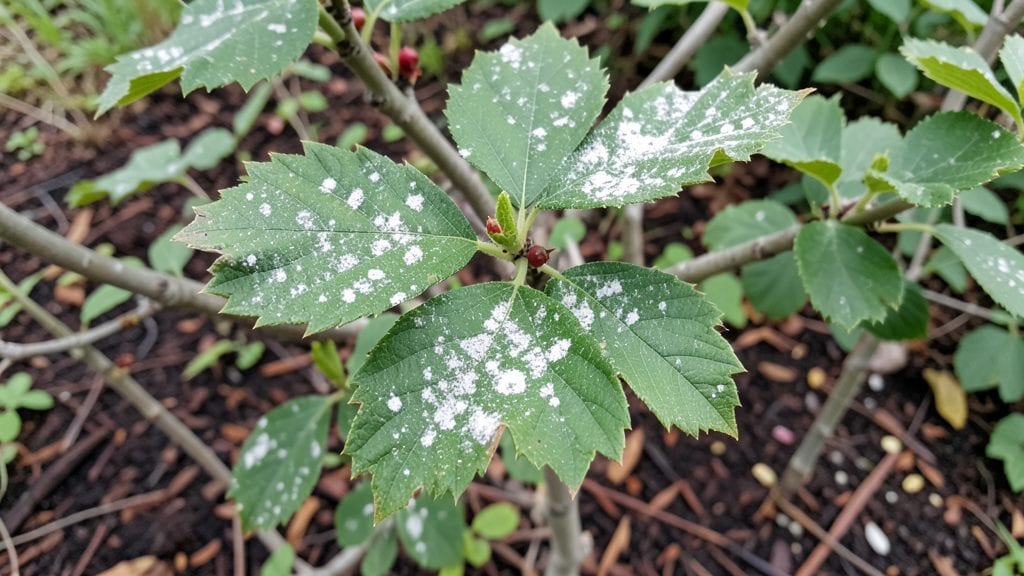
White spots on tree leaves can turn a lush canopy into a patchwork of worry—especially when you're not sure if it's a harmless fungus or something more sinister. ✨ I've spent years diagnosing these spots, and the key is knowing whether those white dots are powdery mildew, spider mite eggs, or just environmental stress.
The difference between a quick fix and a full-blown cleanup often comes down to what you see—and what you don’t.
Powdery mildew leaves a chalky residue that wipes off like baby powder, while spider mites create tiny webbing and stippled damage underneath the spots. Environmental factors, like lime deposits from hard water or salt spray near coastlines, leave a crusty layer that doesn’t spread.
The first step? Rub a leaf between your fingers—if it feels gritty, it’s likely mildew; if it’s just dusty, check for pests or mineral buildup.
Once you’ve identified the cause, treatment becomes straightforward. For mildew, a mix of baking soda and water (1 tablespoon per quart) sprayed on leaves works wonders, while spider mites respond to neem oil or a strong blast of water.
Prevention is even easier: space trees for airflow, water at the base (not overhead), and prune for sunlight access. Your trees will thank you with greener leaves by next season.
This isn’t just about saving leaves—it’s about keeping your trees healthy for years. The right approach depends on the season, your tree’s needs, and even your local climate. Let’s break down how to tell them apart and fix them fast.
Understanding Leaf Spot Triggers
White or discolored spots on tree leaves are rarely a random event—they’re your tree’s silent SOS. Understanding the root causes helps you take swift, effective action. Below are the most common triggers, broken down by their scientific mechanisms and real-world signs.
Fungi are the #1 culprit behind white spots on leaves, thriving in damp, warm conditions. These microscopic invaders disrupt leaf cells, causing them to die and turn white, gray, or even powdery.
- Powdery Mildew 🌡️ - What’s happening? Fungi like Erysiphe or Sphaerotheca grow on leaf surfaces, forming a white, flour-like coating. - Why? High humidity (70%+), poor airflow, and shade create the perfect fungal buffet.
Young, tender leaves are especially vulnerable. - Actionable clue: Spots start small, then spread like dust, often avoiding leaf undersides.
- Leaf Spot Fungi (e.g., Alternaria, Septoria) 🎯 - What’s happening? These fungi infect leaf tissue, causing small white or tan spots with dark borders. Over time, spots expand, and leaves may drop prematurely. - Why? Overhead watering, wet foliage, or rain splashes spread fungal spores.
Weakened trees (from stress, poor nutrition, or drought) are easy targets. - Actionable clue: Check for yellow halos around spots—a classic sign of fungal activity.
- Anthracnose 🌧️ - What’s happening? Caused by Colletotrichum or Gloeosporium, this fungus creates sunken, white-to-gray spots that ooze in wet weather. - Why? Prolonged leaf wetness (e.g., spring rains) triggers spore germination.
It’s especially aggressive on stressed or overwatered trees. - Actionable clue: Look for spots with a "frosted" appearance or tiny black specks (fungal fruiting bodies).
Not all white spots are fungal—some are the handiwork of tiny pests feeding on leaves. Their saliva or waste can leave telltale marks.
- Aphids and Whiteflies 🐛 - What’s happening? These sap-sucking insects excrete sticky "honeydew," which attracts sooty mold—a black, fuzzy fungus that masks white spots. - Why? Aphids thrive in new growth, while whiteflies love warm, humid climates.
Both weaken leaves, making them prone to secondary infections. - Actionable clue: Inspect leaf undersides for tiny white insects or sticky residue on lower branches.
- Spider Mites 🕷️ - What’s happening? These microscopic pests suck cell contents, causing stippling (tiny white or yellow dots) that merge into larger pale areas. - Why? Dry, hot conditions stress trees, triggering mites to multiply.
They’re often found on the undersides of leaves. - Actionable clue: Use a magnifying glass—look for fine webbing between leaves or branches.
- Scale Insects 🛡️ - What’s happening? Scale leave waxy, white or tan bumps on leaves and stems.
Their feeding disrupts chlorophyll production, leading to white patches. - Why? They’re attracted to stressed trees (drought, poor soil) and spread via wind or garden tools. - Actionable clue: Scrape a bump—if it’s immobile and waxy (not an insect), it’s likely scale.
Sometimes, white spots aren’t biological—they’re your tree’s reaction to its surroundings.
- Sun Scorch ☀️
- What’s happening? Sudden exposure to intense sunlight (e.g., after pruning or moving a tree) causes leaf cells to bleach or crisp.
- Why? Trees adapted to shade can’t handle full sun, leading to white, papery patches, often on leaf edges.
- Actionable clue: Spots appear on sun-exposed sides of leaves and may look "burned" or dry.
- Mineral Deficiencies 📊 - What’s happening? Lack of magnesium (chlorosis) or zinc can cause white or yellow patches between leaf veins. - Why? Poor soil, compacted roots, or overwatering flushes out nutrients.
Evergreens and young trees are most affected. - Actionable clue: Test soil pH—deficiencies often occur in alkaline soils (pH >7.0).
- Chemical Burn 🧪 - What’s happening? Over-application of herbicides, fungicides, or even well-intentioned fertilizers can bleach leaves. - Why? Chemicals disrupt cell membranes, causing white or necrotic (dead) spots.
Wind or rain can carry overspray to nearby trees. - Actionable clue: Spots appear suddenly after treatment and may have a "bleached" or translucent look.
Not all white spots are alive—some are the result of mechanical trauma.
- Hail or Wind Damage ❄️ - What’s happening? Impact from hailstones or strong winds crush leaf cells, creating white or frosted-looking spots. - Why? Thin leaves (e.g., maple, birch) are more vulnerable.
Severe damage can lead to entire leaves turning white and dying. - Actionable clue: Look for irregular, jagged edges or torn leaf tissue alongside spots.
- Bird or Insect Droppings 🦜
- What’s happening? Bird droppings (high in nitrogen) can cause localized leaf burn, turning areas white or brown.
- Why? The high salt and acid content in droppings disrupt leaf chemistry.
- Actionable clue: Spots often appear near roosting spots and may have a "crusty" texture.
How to Fix Leaf Spots Naturally
White spots on tree leaves can be frustrating, but the good news is that most causes have effective, natural solutions. Below, we’ve mapped out practical fixes for each common culprit—along with prevention tips to keep your trees healthy long-term.
Fungi thrive in damp conditions, but you can outsmart them with these steps:
🔥 Step 1: Prune for Better Airflow
Fungi spread faster in crowded, humid environments.
- 👨🍳 Trim branches that overlap or block sunlight.
- ⏰ Remove fallen leaves (where spores hide) from the base of the tree.
🌡️ Step 2: Apply Fungicidal Sprays (Natural Options)
Skip harsh chemicals—these work just as well: - 💡 Baking soda spray: Mix 1 tsp baking soda + 1 tbsp oil + 1 tsp mild soap in 1 gallon of water.
Spray every 7–10 days until spots fade. - 🎯 Neem oil solution: Combine 1 tbsp neem oil + 1 tsp dish soap in 1 quart of water.
Spray early morning or evening (avoid direct sun). - ✨ Copper fungicide: A non-toxic option for severe cases (follow label instructions).
🌿 Step 3: Adjust Watering Habits
- 💧 Water at the base (not overhead) to keep leaves dry.
- ⏰ Water early morning so foliage dries by nightfall.
💡 Pro Tip: Mulch around the tree (2–3 inches deep) to regulate soil moisture and reduce fungal spores.
Tiny pests can leave white residue, but they’re easy to evict:
🔪 Step 1: Blast Off Pests with Water
- 👨🍳 Use a strong hose (gentle spray) to dislodge aphids and mites from undersides of leaves.
- ⏰ Repeat every 3–4 days for severe infestations.
🍳 Step 2: Introduce Beneficial Insects
Nature’s pest control:
- 🐞 Ladybugs (eat aphids) – Buy online or attract with dill or marigold plants.
- 🕷️ Spiders & lacewings (control mites) – Avoid pesticides to encourage them.
🧴 Step 3: Apply Homemade Pest Repellents
- 💡 Soap spray: Mix 1 tbsp castile soap in 1 quart of water.
Spray directly on pests (avoid beneficial insects). - 🌿 Garlic spray: Blend 2 garlic cloves + 1 tsp cayenne pepper + 1 quart of water. Strain and spray weekly.
✨ Pro Tip: Reflective mulch (aluminum foil or silver plastic) confuses whiteflies—wrap it around the tree trunk.
Sometimes, white spots aren’t pests or fungi—they’re just stress signals.
🌿 Step 1: Shield from Harsh Sun
- 🍳 Install shade cloth (30–50% coverage) if the tree gets sudden afternoon sun.
- 🌳 Plant near taller trees (if possible) for gradual shade adjustment.
💧 Step 2: Check for Over/Under-Watering
- 💧 Too much water? Let soil dry between waterings.
- 💧 Too little? Deep water 1–2 times per week (depending on climate).
🧹 Step 3: Test for Mineral Buildup
If white spots look like powdery residue:
- 💡 Wipe leaves with a damp cloth (mild soap + water).
- ⏰ Avoid fertilizers high in salt—use organic compost instead.
💡 Pro Tip: Mist leaves lightly on hot days to prevent sun scorch (but avoid evening misting to prevent fungi).
- 🌿 Choose resistant tree varieties (e.g., serviceberry, oak, or hackberry tolerate pests better).
- 🍄 Space trees 6+ feet apart for airflow.
- 🐛 Inspect monthly (flip leaves over—pests love the undersides!).
- 🌡️ Avoid overhead sprinklers—drip irrigation is best.
🎯 Final Reminder: Act fast! Catching issues early means less damage and easier fixes. Most trees bounce back with a little TLC—so grab your spray bottle and get to work! 🌳✨
Frequently asked questions
What’s the quickest way to tell if white spots are fungal or pest-related?
Rub a leaf between your fingers—if it feels gritty or powdery, it’s likely powdery mildew. If it’s just dusty or sticky, check for tiny insects or webbing (pests). For fungal spots, look for dark borders or yellow halos around white areas.
Can I use store-bought fungicides on my trees, or should I stick to natural remedies?
For light infections, natural remedies like baking soda spray or neem oil work well. If spots spread aggressively (e.g., anthracnose), use a copper fungicide or organic sulfur spray. Always test a small area first and avoid chemicals near edible plants.
Why do my tree’s leaves get white spots only in summer, but not in winter?
Summer conditions—high humidity (70%+), heat, and frequent rain—create the perfect environment for fungi and pests. Cold winters slow down fungal growth, while dry air reduces spider mites. Prune for airflow and water at the base to prevent summer outbreaks.
Will pruning help if my tree already has white spots?
Yes! Remove infected leaves/branches (sterilize pruners with rubbing alcohol between cuts) to stop spores/pests from spreading. Focus on inner branches with poor airflow—this improves sunlight exposure and speeds recovery.
How do I know if white spots are from chemical burn vs. disease?
Chemical burn spots appear suddenly after treatment and look bleached or translucent, often with irregular edges. Disease spots (e.g., powdery mildew) spread gradually, feel powdery, and may have dark specks (spores). Test soil pH if unsure—high alkalinity can mimic chemical damage.