
Diseases
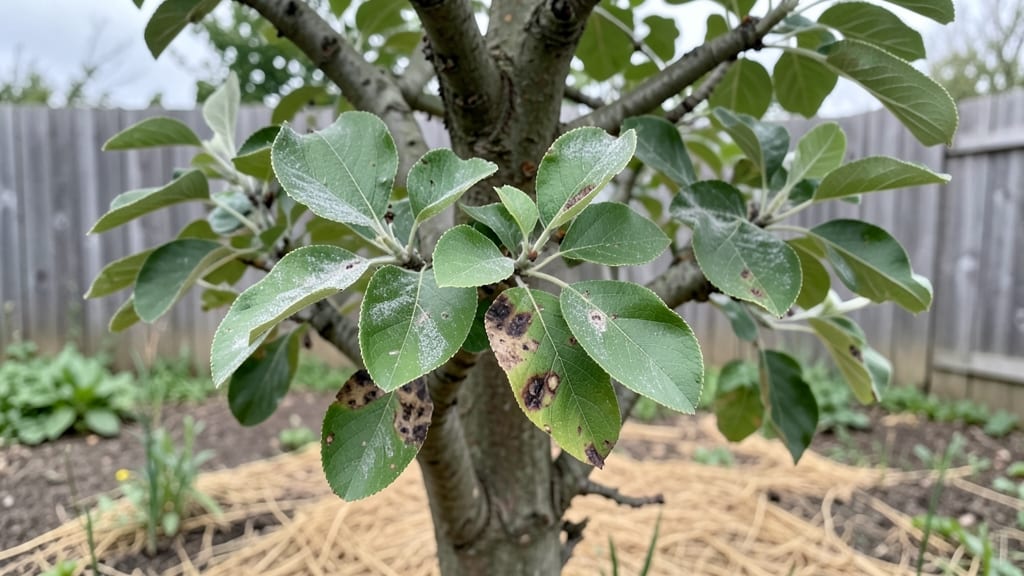
Fungus on apple tree leaves can turn your fruit-bearing queen into a sad, spotted mess if you don't act fast. I've seen apple scab, powdery mildew, and black spot transform vibrant foliage into a sad, crinkled disaster—until I learned the organic spray cure that actually works.
The key isn't just spraying; it's understanding when to treat, what to look for, and how to stop it before it ruins your harvest.
Most fungal problems start with wet leaves in spring or summer, but poor air circulation and dense canopies make it worse. I learned the hard way that waiting until you see spots means the fungus has already won half the battle.
The good news? A mix of neem oil, baking soda, and horticultural oil—sprayed at the right time—can stop it in its tracks before your apples even start forming.
You'll see the difference within two weeks: new growth stays clean, old spots fade, and your tree puts energy into fruit instead of fighting disease. The secret is consistency—spray every 7 to 10 days during wet seasons, and prune to improve airflow.
No more sad, yellowing leaves or tiny black dots on your apples.
This works for backyard orchards, container-grown trees, and even those stubborn old varieties that seem to attract every fungal disease. The only time you need to call an arborist is if the whole tree looks like it's dying—otherwise, this organic approach keeps your apples healthy and your tree thriving.
Root Causes of Leaf Fungus
Fungal infections on apple tree leaves aren’t random—they’re the result of a perfect storm of environmental, biological, and even human factors. Understanding these causes is the first step to prevention and treatment. Below, we break down the key culprits behind fungus on apple tree leaves, explained in clear, actionable terms.
Fungi thrive in moisture, and apple trees are particularly vulnerable when leaves stay damp for extended periods. Here’s why:
- Prolonged leaf wetness: Most fungal spores (like those causing apple scab or powdery mildew) germinate and infect within 6–12 hours of continuous moisture. Heavy dew, rain, or poor air circulation create the ideal breeding ground.
- Temperature matters: Fungi like Venturia inaequalis (apple scab) spread most aggressively between 50–70°F (10–21°C), especially when nights are cool and days are warm. This temperature swing keeps leaves wet longer.
- Irrigation habits: Overhead watering (especially in the evening) mimics rain, encouraging fungal spores to latch onto leaves. Drip irrigation reduces this risk by keeping foliage dry.
💡 Pro Tip: Space out watering sessions and avoid late-day irrigation. If rain is forecasted, consider a fungicide spray (organic or conventional) as a preventative measure.
Apple trees with crowded branches or thick foliage trap moisture and block sunlight—both favorite conditions for fungi. Here’s how it happens:
- Stagnant air: Fungi spread via spores carried by wind or water. In dense canopies, spores linger near infected leaves instead of dispersing, leading to secondary infections.
- Shade and slow drying: Leaves in the inner canopy dry slower than those exposed to sunlight. This delay gives fungi time to establish and spread before the tree can defend itself.
- Pruning neglect: Overgrown or unpruned trees create microclimates where humidity spikes. Dead or diseased branches also harbor fungal spores year-round.
🔪 Action Step: Prune your apple tree in late winter or early spring to open up the canopy. Remove crossing branches and suckers (shoots growing from the base) to improve airflow by 20–30%.
A weakened tree is an open invitation for fungi. Nutrient deficiencies or imbalances stress apple trees, making them more susceptible to infections. Key triggers include:
- Low nitrogen (N): While nitrogen fuels growth, too little weakens leaves, making them thinner and more prone to puncture by fungal spores. Too much can also promote lush, dense growth that traps moisture.
- Calcium deficiency: Calcium strengthens cell walls. Without enough (often due to high soil pH or poor drainage), leaves become more permeable, allowing fungi like apple scab to penetrate easily.
- Potassium shortages: Potassium helps trees resist disease. Deficient trees show yellowing edges (scorch) and weaker immune responses.
- Over-fertilization: Excess phosphorus or synthetic fertilizers can disrupt beneficial soil microbes, reducing the tree’s natural defenses.
📊 Soil Test First: Before treating, test your soil’s pH (ideal: 6.0–6.5 for apples) and nutrient levels. Amend with compost, bone meal (for calcium), or greensand (for potassium) as needed.
Fungal spores are persistent and can survive in dead leaves, pruning tools, or even mulch. Here’s how they reinfect your tree:
- Old leaf litter: Spores from apple scab or black rot can overwinter in fallen leaves. If left on the ground, they re-infect new growth in spring.
- Unsterilized pruners: Cutting tools can carry spores from infected branches to healthy ones. Even a small nick provides an entry point for fungi.
- Recycled mulch: Mulch from previously infected trees may still harbor spores. Use fresh, disease-free mulch or sterilize old mulch with compost heat (140°F+ for 1 week).
✨ Prevention Hack: Clean pruning tools with 70% isopropyl alcohol or a 10% bleach solution between cuts. Remove and dispose of infected leaves (do not compost them) in the fall.
By addressing these root causes—moisture, airflow, nutrition, and contamination—you’ll disrupt the fungal life cycle and give your apple tree a fighting chance. Next, we’ll dive into organic sprays and cultural fixes to revive your foliage naturally.
Fix Fungal Foliage Fast
Fungal infections on apple tree leaves don’t have to be a death sentence for your orchard. With the right approach, you can restore your tree’s health and prevent future outbreaks.
Below, we’ve mapped the most common causes of fungal leaf issues to practical, organic solutions—plus tips to keep your apple tree thriving.
Cause: Venturia inaequalis (apple scab) or Alternaria species create dark, circular spots that eventually turn yellow and fall off.
How to Fix It:
- 🔥 Prune Infected Leaves Remove and dispose of (not compost) heavily spotted leaves immediately. Thin out crowded branches to improve airflow.
- 🍳 Homemade Baking Soda Spray (Preventative) Mix 1 tbsp baking soda + 1 tsp horticultural oil + 1 tsp mild soap + 1 gallon water. Spray every 7–10 days during wet seasons.
- 👨🍳 Copper Fungicide (Organic Option) Use copper sulfate or copper fungicide (like CuPro) before bud break and after rain. Follow label rates—copper can burn leaves if overused.
- 🥘 Neem Oil Treatment (Fungicidal & Preventative) Apply neem oil (2 tbsp per gallon of water + surfactant) in the evening to avoid leaf burn. Reapply after heavy rain.
💡 Prevention Tip:
- Space trees 10+ feet apart to reduce humidity.
- Water at the base (avoid overhead sprinkling).
- Apply mulch (straw or wood chips) to keep soil moist but leaves dry.
Cause: Podosphaera leucotricha thrives in shady, humid conditions, covering leaves with a white, powdery film.
How to Fix It:
- 🔪 Trim Shady Branches Remove branches blocking sunlight—powdery mildew loves low-light areas.
- 🌡️ Increase Airflow Thin out dense foliage and prune suckers growing from the trunk.
- ✨ Milk Spray (Cheap & Effective!) Mix 1 part milk (or buttermilk) to 9 parts water + 1 tsp soap. Spray every 7–10 days—milk contains proteins that inhibit fungal growth.
- 🎯 Reflective Mulch Hack Lay white plastic mulch around the base to reflect sunlight and dry leaves faster.
💡 Prevention Tip:
- Plant resistant varieties like ‘Liberty’ or ‘Enterprise’ apples.
- Avoid late-season nitrogen (too much promotes lush, mildew-loving growth).
Cause: Venturia inaequalis overwinters in fallen leaves and buds, causing greasy, black spots that distort fruit.
How to Fix It:
- 🍳 Dormant Oil Spray (Winter Treatment) Apply dormant oil in late winter (before buds swell) to smother overwintering spores.
- 👨🍳 Serenade ASO or Myclobutanil (If Organic Isn’t Strict) Serenade ASO (bacillus-based) or Myclobutanil (synthetic but effective) can be used pre-bloom and post-harvest.
- 🥘 Lime Sulfur Spray (Strong but Effective) Mix 1–2 tbsp lime sulfur per gallon and spray before bud break. Wear gloves—it’s caustic!
💡 Prevention Tip:
- Rake and remove fallen leaves in fall (burn or bag them).
- Plant in full sun (scab loves damp, shady spots).
| Step | Action | When to Do It |
|---|---|---|
| Cleanup | Remove all infected leaves, prune dead wood, and sterilize tools with rubbing alcohol. | Fall & Spring |
| Soil Health Boost | Add compost or mycorrhizal fungi to strengthen tree immunity. | Early Spring |
| Mulch Right | Use 3–4 inches of organic mulch (straw, wood chips) to retain moisture without touching the trunk. | Spring & Fall |
| Monitor & Act Fast | Check leaves weekly—catch fungal spots early before they spread. | Growing Season (Spring–Fall) |
✨ Pro Tip: Rotate treatments—don’t rely on just one method. Fungi adapt, so combine baking soda, neem, and copper for best results!
By tackling the root cause (literally and figuratively) and staying proactive, your apple tree will bounce back stronger than ever—with fewer fungal interruptions and more delicious fruit to show for it. 🍏🌿
Frequently asked questions
What do black spots on apple tree leaves mean?
Black spots on leaves are likely apple scab, caused by the fungus Venturia inaequalis. These spots start olive-green, turn black, and often have yellow halos. If left untreated, they can spread to fruit, causing unsightly blemishes. Act fast—remove infected leaves and apply a copper fungicide or neem oil spray every 7–10 days during wet seasons.
Can I use vinegar to treat fungal leaf spots?
White vinegar isn’t recommended for treating fungal infections—it can actually worsen the problem by lowering leaf pH and stressing the tree. Instead, use baking soda spray (1 tbsp baking soda + 1 tsp horticultural oil + 1 gallon water) or milk spray (1:9 milk-to-water ratio) for organic control. Both are safer and more effective for fungal diseases like powdery mildew or scab.
How do I know if my apple tree has a fungal infection or just insect damage?
Fungal infections like scab or mildew appear as spots, powdery coatings, or discoloration on leaves, while insect damage often shows as holes, chewed edges, or webbing. Fungal spots may also have a greasy or velvety texture, and infected leaves often curl or fall prematurely. Check the undersides of leaves—fungal spores may appear as black dots or fuzzy growth.
Will pruning alone stop fungal spread on my apple tree?
Pruning helps by improving airflow and removing infected foliage, but it’s not a standalone solution. Always combine pruning with fungicidal sprays (organic or synthetic) and proper sanitation. Remove all fallen leaves in autumn and sterilize pruning tools with 70% isopropyl alcohol to prevent reinfection. For severe cases, apply a dormant oil spray in late winter to smother overwintering spores.
Can I still harvest apples if the leaves have fungus?
You can harvest apples even with fungal leaf spots, but check the fruit for signs of infection—some fungi (like apple scab) can spread to apples, causing black or corky spots. Wash fruit thoroughly before eating. To prevent future issues, apply preventative sprays (like baking soda or copper) before bloom and avoid overhead watering during the growing season.