
Diseases
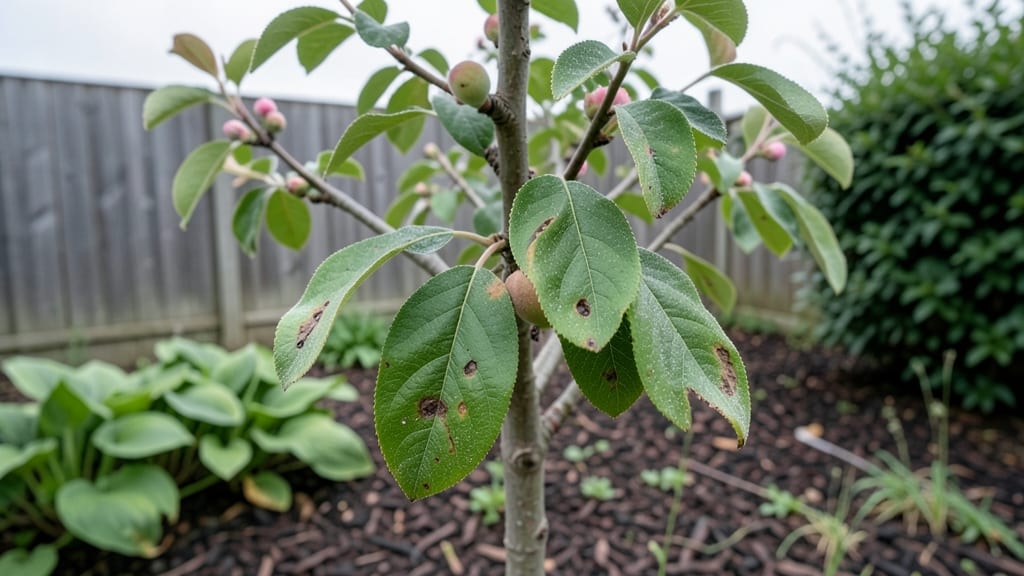
Identifying peach tree diseases early with pictures of peach tree diseases saves your harvest—and I’ve seen firsthand how quickly brown spots or curled leaves can turn a thriving tree into a struggle. 🌿 This guide shows you exactly what to look for, with clear photos of 15 common fungal issues so you can act before they spread.
The worst part? Many diseases start with subtle signs—yellowing leaves, tiny black dots, or weird growths on branches—that most gardeners miss until it’s too late.
I’ll walk you through the telltale symptoms, what causes them (hint: it’s often humidity or last year’s infected leaves), and how to stop them without harsh chemicals.
By the end, you’ll recognize brown rot’s velvety mold, leaf curl’s twisted buds, and bacterial spot’s oily streaks instantly. Organic fixes like copper sprays, pruning infected branches, and improving airflow work better than you’d think—and they keep your fruit safe to eat.
Whether you’re dealing with a young tree or a mature one, these solutions scale. Let’s get your peach tree back to producing juicy, disease-free fruit in no time.
Root Causes Of Tree Stress
Peach trees, like any living organism, are vulnerable to diseases when their natural defenses weaken. Understanding the underlying reasons helps you take proactive steps to protect your orchard. Below are the key factors that make peach trees susceptible to fungal infections, along with scientific explanations for why they occur.
Peach trees thrive in specific conditions, and when these are disrupted, their immune systems falter. Here’s how environmental stress sets the stage for disease:
- Extreme Temperatures - Heatwaves: Prolonged high temperatures (above 90°F or 32°C) can cause heat stress, weakening cell walls and making leaves more vulnerable to fungal spores like those causing brown rot (Monilinia fructicola).
Heat also increases transpiration rates, drying out the tree and reducing its ability to fight pathogens. - Freezing Temperatures: Sudden cold snaps (below 20°F or -7°C) can damage bark and buds, creating entry points for fungi.
Cold stress also disrupts the tree’s phenolic compounds, which are natural antifungal agents.
- Poor Air Circulation
- Dense foliage or overcrowded orchards trap humidity and spores, creating the perfect breeding ground for fungi. Poor airflow slows leaf drying after rain, keeping surfaces wet longer—ideal for pathogens like peach leaf curl (Taphrina deformans), which thrives in damp conditions.
- Excessive Moisture - Overwatering or poorly drained soil leads to waterlogged roots, starving the tree of oxygen and weakening its structure. Fungi such as root rot (Phytophthora spp.) exploit this by colonizing damaged root tissues.
Even foliar diseases like clasterosporiosis spread rapidly when leaves remain wet for more than 9 hours.
How you care for your peach tree directly impacts its resistance to disease. Neglect in these areas invites fungal invaders:
- Improper Pruning - Over-pruning: Removing too many branches reduces the tree’s ability to photosynthesize efficiently, weakening its overall health. Under-pruning: Leaves dense canopies that trap moisture, promoting fungal growth.
Always aim for an open-center shape to improve airflow. - Wound Exposure: Rough cuts or pruning during active growth periods (spring/summer) leave fresh wounds vulnerable to bacterial and fungal infections. Prune in dormant season (late winter) and seal larger cuts with pruning paint if necessary.
- Nutrient Imbalances - Nitrogen Overload: While nitrogen promotes leafy growth, excessive amounts make peach trees soft and succulent, attracting pests and weakening disease resistance.
A balanced NPK ratio (e.g., 10-10-10) supports stronger cell walls. - Deficiency in Micronutrients: Lack of zinc, iron, or boron can lead to chlorosis (yellowing leaves) and stunted growth, making trees more susceptible to stress-related diseases.
- Soil Compaction or Depletion
- Compacted soil restricts root growth, reducing the tree’s access to water and nutrients. Over time, this leads to weakened root systems that can’t support the tree’s needs. Conduct a soil test every 2–3 years and amend with compost or gypsum to improve structure.
Not all peach trees react the same way to diseases—some varieties are genetically predisposed to certain issues. Here’s why:
- Susceptible Varieties
- Some peach cultivars (e.g., Elberta, Redhaven) are more prone to brown rot or peach scab (Cladosporium carpophilum) due to their thin fruit skins or dense foliage. Research disease-resistant hybrids like O’Henry or Contender if fungal issues are recurrent.
- Pathogen Load in the Orchard
- Fungal spores persist in infected plant debris, soil, or nearby weeds. For example, peach leaf curl spores overwinter on bud scales and infect new growth in spring. Removing fallen leaves, mummified fruit, and pruned wood reduces inoculum levels.
- Vector Activity
- Insects like aphids, thrips, or mites can spread fungal spores from infected to healthy trees. For instance, peach twig borers create entry points for bacterial canker (Pseudomonas syringae). Use horticultural oil sprays in dormant season to control pests before they spread diseases.
Peach trees rely on physical and chemical barriers to fend off pathogens. When these fail, diseases take hold:
- Damaged Bark or Lenticels
- Physical injuries (e.g., from hail, machinery, or animals) expose xylem tissues, allowing fungi like silver leaf disease (Chondrostereum purpureum) to invade. Healthy bark acts as a barrier—mulching with straw protects trunks from mechanical damage.
- Hormonal Imbalances
- Stress hormones like ethylene and abscisic acid surge during drought or extreme heat, suppressing the tree’s salicylic acid (a natural antifungal compound). This makes trees more vulnerable to postharvest rots like rhizopus rot.
- Age-Related Decline
- Older peach trees (over 15 years) often exhibit reduced vigor due to root decline or cumulative stress. Their canopy thinning and reduced fruit set make them prime targets for lecanicium fruit rot. Consider replanting or renewal pruning to rejuvenate aging trees.
Quick Fixes for Peach Tree Fungal Woes
Fungal diseases can turn your peach tree from a thriving fruit producer into a sad, spotted mess—but don’t panic! With the right approach, you can revive your tree and prevent future outbreaks. Below, we’ve mapped out practical solutions for each common disease, from early intervention to long-term care.
Think of this as your peach tree first-aid kit—simple, actionable, and designed to save your harvest.
Cause: Monilinia fructicola thrives in warm, humid conditions, turning fruit into mushy, brown messes. Fix It Fast:
- 🔥 Remove infected fruit IMMEDIATELY – Toss (don’t compost!) any fruit with brown spots or lesions. Use pruners dipped in bleach (1 part bleach to 9 parts water) to avoid spreading spores.
- 🍳 Prune for airflow – Thin out dense branches to improve circulation. Aim for 6–12 inches between branches to reduce humidity pockets.
- 👨🍳 Apply fungicide at bloom – Use copper fungicide or myclobutanil (like Immunox) before petals fall to protect blossoms. Reapply every 10–14 days during wet spells.
- 🥘 Clean up debris – Rake and burn or bag fallen leaves/fruit after harvest to eliminate overwintering spores.
💡 Prevention Pro Tip:
- Plant resistant varieties like ‘Redhaven’ or ‘Elberta’ if brown rot is rampant in your area.
- Avoid overhead watering—use drip irrigation to keep foliage dry.
Cause: Taphrina deformans distorts leaves into thick, curled, and puckered nightmares. Fix It Fast:
- 🔪 Prune infected leaves – Cut off all curled leaves in early spring (before buds swell). Sterilize pruners with rubbing alcohol between cuts.
- 🌡️ Spray with copper or lime sulfur – Apply copper fungicide (like Bonide Copper Fungicide) or lime sulfur (mix 1–2 tbsp per gallon of water) before buds break (late winter/early spring). Reapply if rain follows within 24 hours.
- 🎯 Boost tree health – Fertilize with balanced 10-10-10 in early spring to strengthen defenses.
✨ Prevention Pro Tip:
- Plant in full sun—leaf curl thrives in shady, damp conditions.
- Space trees 15–20 feet apart to reduce humidity and airflow issues.
Cause: Xanthomonas bacteria create tiny, water-soaked spots that multiply like crazy. Fix It Fast:
- 🍳 Remove and destroy infected leaves – Prune any leaves with spots and disinfect tools with bleach. Do not compost—bag and trash them.
- 👨🍳 Use copper bactericide – Spray with copper hydroxide (like Kocide) every 7–10 days during wet weather. Start at first sign of spots.
- 🥘 Improve drainage – If your soil stays soggy, amend with compost or sand to reduce bacterial growth.
💡 Prevention Pro Tip:
- Water at the base—avoid wetting leaves to limit bacterial spread.
- Rotate copper products if using them repeatedly to prevent resistance.
Cause: Podosphaera oxyacanthae coats leaves in white, powdery fuzz, weakening the tree. Fix It Fast:
- 🔪 Prune for sunlight – Thin branches to increase airflow—powdery mildew loves shaded, humid spots.
- 🌡️ Spray with neem oil or sulfur – Mix 1 tbsp neem oil per quart of water or use sulfur fungicide (like Garden Safe Fungicide). Apply every 7–10 days until mildew disappears.
- 🎯 Clean leaves regularly – Hose off leaves with water (early morning) to wash away spores.
✨ Prevention Pro Tip:
- Plant mildew-resistant varieties like ‘Contender’ or ‘Relenta’ if mildew is chronic.
- Avoid nitrogen-heavy fertilizers—too much promotes lush growth (mildew’s favorite snack).
No matter the disease, these universal tips will help your peach tree fight back:
- 📊 Test your soil – Aim for a pH of 6.0–6.5 (fungi love acidic or alkaline extremes).
- 💪 Fertilize smart – Use low-nitrogen, high-phosphorus fertilizer (like 5-10-10) in early spring.
- 🥗 Mulch properly – Use 2–3 inches of wood chips, keeping mulch 6 inches away from the trunk to prevent rot.
- 🍎 Monitor regularly – Check undersides of leaves and fruit weekly for early signs.
Final Thought: Most fungal diseases are manageable—the key is speed and consistency. Act at the first sign, and your peach tree will bounce back stronger than ever. 🚀🍑
Frequently asked questions
What are the most common peach tree diseases I should watch for?
The top 5 fungal issues to spot early include brown rot (velvety mold on fruit), leaf curl (thick, puckered leaves), bacterial spot (tiny water-soaked spots), powdery mildew (white fuzz on leaves), and peach scab (dark, raised bumps). Each has distinct visual symptoms—check the visual guide for side-by-side comparisons.
How do I tell if my peach tree has brown rot or just sunburn?
Brown rot creates soft, mushy fruit with pinkish-brown mold (the fungus), while sunburn shows dry, papery patches on sun-exposed sides. The key difference: brown rot spreads to nearby fruit, while sunburn stays isolated. Also, check for infected blossoms—brown rot often starts there.
Can I use household items like baking soda to treat peach tree diseases?
Yes! A baking soda spray (1 tbsp baking soda + 1 tsp oil + 1 tsp soap per gallon of water) works for powdery mildew and bacterial spot. Spray undersides of leaves every 7–10 days during wet weather. For fungal issues like brown rot, stick to copper fungicide—baking soda won’t be strong enough to stop spores.
Why do my peach tree leaves keep curling, even after treatment?
Leaf curl often returns if you missed dormant-season sprays (late winter/early spring) or if spores linger in old pruned wood. Burn or bag all infected leaves/debris, and apply copper fungicide before buds swell. Also check for aphids or mites—they spread fungal spores and weaken trees.
Is it safe to eat fruit from a diseased peach tree?
Only if the disease is cosmetic (like minor leaf spots) and hasn’t touched the fruit. Never eat fruit with brown rot, bacterial spot, or powdery mildew—these can cause illness. When in doubt, peel and cook thoroughly, but remove all moldy or spotted fruit immediately to prevent spread.