
Trees
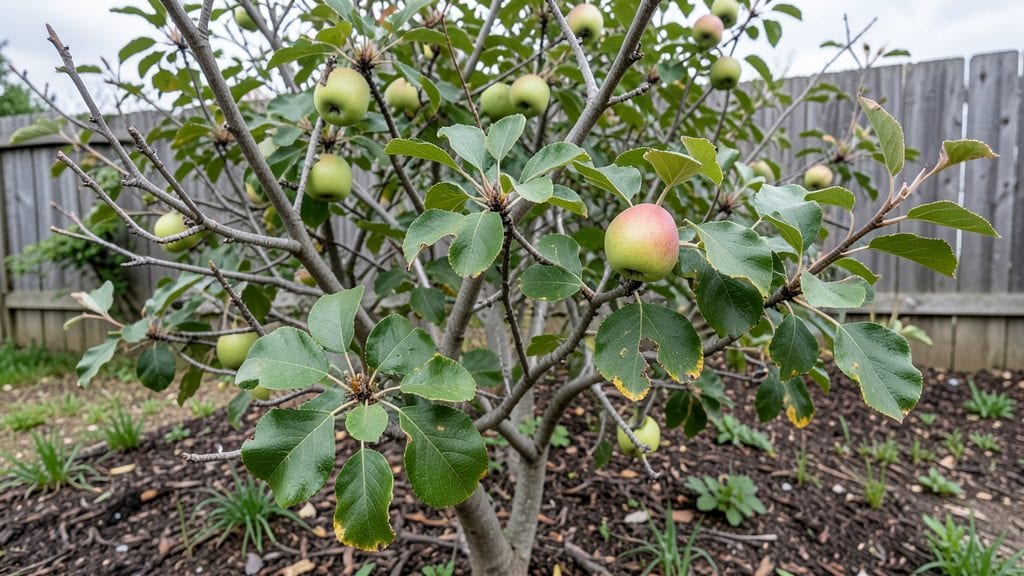
Growing Seckel pear trees in your backyard means sweet, honey-like fruit without needing a full orchard. 🌿 These dwarf varieties pack all the flavor of their larger cousins into a compact 8- to 12-foot tree—perfect for urban yards, patios, or even large containers.
The first time I tasted a fresh-picked Seckel pear still warm from the sun, I knew I’d never buy store-bought again.
They thrive in well-drained soil with afternoon shade in hot climates, and their shallow roots make them ideal for small spaces. Plant in early spring when the soil reaches 60°F, spacing trees 10-15 feet apart if growing multiple varieties for cross-pollination.
Unlike full-sized pears, these don’t need a sprawling lawn—just a sunny spot, consistent watering, and minimal pruning to keep them shaped and productive.
By late summer, you’ll harvest clusters of golden pears with crisp flesh and a taste that’s sweeter than most grocery store varieties. The trees produce reliably every year with proper care, and their disease resistance means fewer headaches than many fruit trees.
With just a little patience, you’ll have a tree that’s both beautiful and bountiful—no orchard required.
Whether you’re growing in a backyard corner or a large pot, these trees adapt well to different spaces. The key is regular watering during fruit development and light pruning to encourage airflow. Once established, they’re low-maintenance but high-reward—exactly what you want from a fruit tree in a small garden.
📚 In This Guide
- What you need
- Instructions
- Tips and common mistakes
- Wrapping up and next steps
What you need
- ● Seckel pear tree (dwarf variety): 1-2 bare-root or container-grown saplings (ensure they’re disease-resistant and labeled "dwarf" or "semi-dwarf").
- ● Planting site: Full sun (6+ hours of direct sunlight daily).
- ● Well-draining soil (pH 6.0–7.0).
- ● Space: 6–8 feet apart (or 4–5 feet for container growing).
- ● Organic compost or soil amendment: 5–10 gallons (to enrich soil with nutrients).
- ● Mulch: 2–3 inches of wood chips, straw, or shredded bark (to retain moisture and suppress weeds).
- ● Hand trowel or small shovel (for digging planting holes).
- ● Garden gloves (to protect your hands).
- ● Watering can or hose with gentle spray nozzle (for post-planting hydration).
- ● Pruning shears (for shaping and removing dead branches).
- ○ Optional: Container or large pot (15–20 gallons, with drainage holes) for urban growers.
- ● Tree stake and soft tie (if planting in windy areas).
- ● Fertilizer (balanced 10-10-10 or organic options like fish emulsion).
- ● Knowledge of your hardiness zone: Seckel pears thrive in zones 5–9 (check your local climate!).
- ● Cross-pollination partner: Plant a second variety (like Moonglow or Hood) within 50 feet for fruit production.
- ● Patience: Dwarf Seckel trees take 3–5 years to bear fruit but reward you with sweet, bite-sized pears! 🍐
Step-by-Step guide to planting and caring for Seckel pear trees
Here’s how I’ve successfully grown these compact, sweet-fruited trees in tight spaces—no fancy tools required.
🌱 Step 1: Choose the Right Location and Plant at the Correct Time
Seckel pears thrive in full sun (6-8 hours daily) and well-draining soil with a pH of 6.0-7.0. I plant mine in early spring, when soil warms to at least 50°F—this gives roots time to establish before summer heat. Avoid low spots where water pools, as soggy soil causes root rot.
Dig a hole twice as wide as the root ball but only as deep as the container the tree came in. Loosen the sides of the hole with a shovel to encourage root spread. If your soil is heavy clay, mix in 2-3 inches of compost from the ingredients list to improve drainage.
🪴 Step 2: Plant the Tree and Water Deeply
Gently remove the tree from its container and place it in the hole so the top of the root ball sits level with the surrounding soil—burying the graft union too deep encourages suckering. Fill the hole with soil, pressing lightly to eliminate air pockets. Water immediately with 1-2 gallons to settle the soil and remove any gaps.
I like to create a 2-inch deep basin around the base to direct water straight to the roots. Mulch with 3-4 inches of organic mulch (like wood chips) to retain moisture and regulate soil temperature. Keep mulch 6 inches away from the trunk to prevent rot.
☀️ Step 3: Prune for Shape and Airflow in Early Spring
Seckel pears respond well to open-center pruning—this means removing 1/3 of the oldest branches each year to maintain an airy shape. Start by cutting back any dead, crossing, or diseased branches with clean, sharp pruners. I aim for a rounded canopy with branches spaced 8-12 inches apart.
Watch for suckers (shoots growing from the base) and remove them immediately—they drain energy from the main tree. Thin out dense growth inside the canopy to reduce humidity, which prevents fungal diseases like fire blight. Prune just after flowering in late spring to avoid removing next year’s fruit buds.
💧 Step 4: Water and Fertilize for Sweet, Juicy Fruit
Water deeply once a week during the first growing season, soaking the soil to 12 inches deep. You’ll know it’s enough when water drains out the bottom of the hole. Reduce watering in winter, but never let the soil dry out completely—Seckel pears are drought-tolerant but produce sweeter fruit with consistent moisture.
Apply a balanced 10-10-10 fertilizer in early spring and again after harvest, following package rates. I avoid high-nitrogen fertilizers—they boost leafy growth at the expense of fruit quality. Instead, focus on potassium-rich amendments to sweeten the pears.
⏰ Step 5: Harvest and Prepare for Winter Dormancy
Seckel pears ripen in late summer to early fall, usually 8-10 weeks after flowering. They’re ready when they detach easily from the tree and have a slight give when gently squeezed. Harvest on a dry morning to avoid spreading disease—never pull fruit from the branch, as this damages the stem.
Once harvested, store pears in a cool (32-40°F), humid space like a basement or unheated garage. They’ll keep for 4-6 weeks if not refrigerated. Before winter, apply 2-3 inches of mulch around the base to insulate roots from freezing temperatures. Young trees may need wrapping with burlap in harsh climates.
Tips & tricks for perfect Seckel pear trees
These simple strategies will help you grow sweet, productive Seckel pear trees even in small spaces.
Soil Preparation Tip: Before planting, test your soil's pH using a simple kit—Seckel pears thrive in the 6.0-7.0 range. If your soil is too acidic, mix in 1-2 pounds of lime per 100 square feet 2-3 months before planting. The at least 50°F soil temperature in early spring is crucial for root establishment, so avoid planting in cooler conditions. I've learned this the hard way after watching roots struggle in colder soil!
Pruning Technique: When doing your annual 1/3 pruning in Step 3, focus on removing branches that grow inward or cross each other. These create rubbing points that damage bark and invite disease. I like to prune on a dry day when branches are firm—this makes clean cuts easier. Remember to sterilize your pruners with rubbing alcohol between cuts to prevent spreading any potential infections.
Watering Wisdom: The 12-inch deep watering in Step 4 is more important than you might think. Use a moisture meter or dig down to check—soil should be moist but not soggy. In containers, water when the top inch feels dry. I've found that morning watering prevents fungal issues by allowing foliage to dry throughout the day.
Winter Protection: For young trees in harsh climates, wrap the trunk with burlap after applying the 2-3 inches of mulch. This creates an insulating barrier against winter winds. I also add a layer of straw around the base for extra protection—it's like giving your tree a cozy blanket for the cold months ahead.
Pro Tips for Seckel Pear Trees
- These simple strategies will help you grow sweet, productive Seckel pear trees even in small spaces.
- Soil Preparation Tip: Before planting, test your soil's pH using a simple kit—Seckel pears thrive in the 6.0-7.0 range.
- Pruning Technique: When doing your annual 1/3 pruning in Step 3, focus on removing branches that grow inward or cross each other.
Frequently asked questions
Got questions about growing Seckel pear trees?
You’re not alone! Here are answers to the most common inquiries—from spacing to pests—to help you cultivate these sweet, compact fruit trees with confidence.
How much space do Seckel pear trees really need?
Seckel pears are dwarf varieties, so they thrive in just 8–10 feet of space (or less in containers). Their compact size makes them perfect for small yards, patios, or even large pots—ideal for urban gardeners or those with limited room. Just ensure they get 6–8 hours of sunlight daily for optimal fruit production.
When is the best time to plant Seckel pear trees?
Plant them in early spring or fall when soil temperatures are mild (50–70°F). Avoid extreme heat or frost, as young roots are sensitive. Bare-root trees can be planted in winter dormancy (check your local frost dates), but container-grown trees do best in spring. Pro tip: Water deeply after planting to reduce transplant shock!
How long does it take for Seckel pears to bear fruit?
Patience pays off! With proper care, Seckel pear trees typically produce fruit in 3–5 years. Early blooms mean early rewards—just be prepared for thinning fruit in the first few years to encourage larger, sweeter pears. Cross-pollination helps too; plant a second variety (like ‘Moonglow’) nearby for better yields.
What pests or diseases should I watch for with Seckel pears?
Common issues include pear psylla (tiny insects causing curled leaves) and fire blight (a bacterial infection). Prevent pests with neem oil sprays and prune infected branches 6 inches below damage to stop fire blight spread. Keep the area around the tree clean and mulched to deter soil-borne diseases.
Can I grow Seckel pears in containers? If so, what’s the best setup?
Use a 15–20 gallon pot with drainage holes and a well-draining mix (like 60% soil, 30% compost, 10% perlite). Choose a self-watering container for consistency, and repot every 2–3 years as the tree grows. Dwarf varieties like Seckel adapt well to containers but may need winter protection in cold climates (use frost blankets or move indoors).
Wrapping up and next steps
Growing Seckel pear trees is a fantastic way to enjoy sweet, compact fruit without sacrificing space or beauty. Their dwarf size, hardiness, and delicious harvest make them perfect for home gardens, balconies, or small yards.
Whether you’re a seasoned gardener or just starting out, these trees deliver big rewards with minimal effort—so grab your gloves and get planting!
Ready to take the next step? Research local nurseries for young Seckel saplings, then mark your calendar for planting season. Your future harvest of tiny but mighty pears is just a season away! 🌱